

If your washing machine suddenly stops, your oven won’t heat, or a light flashes on the fridge control panel, a blown fuse is often the culprit. Fuses are tiny safety devices that break the circuit when too much current flows. Replacing them is usually quick, cheap, and can save a call-out fee.
First, look for the obvious signs: the appliance won’t power on, a reset button keeps tripping, or you hear a soft pop. In many modern machines the fuse is a clear glass tube with a metal strip inside. If the strip is broken or the glass looks cloudy, it’s time for a new one. Some appliances hide the fuse behind a metal panel – you’ll need a screwdriver to get at it.
Before you start, unplug the appliance. Even if it looks dead, there can still be stored electricity. Grab a pair of needle‑nose pliers, a small flat‑head screwdriver, and a replacement fuse that matches the amperage rating printed on the old one (usually 3A, 5A, or 13A). If you’re unsure about the rating, bring the old fuse to a local hardware store – they’ll help you pick the right size.
Once you have the tools, follow these steps:
If the appliance works, you’ve saved a repair bill. If it still won’t start, the fuse may be fine and the problem lies elsewhere – a motor, thermostat, or electronic board could be at fault.
Common appliances you’ll encounter:
When you replace a fuse and it blows again within a few days, don’t keep swapping parts. Something is drawing too much current and could be a fire risk. That’s when you call Bognor Regis Appliance Repair Experts. Our technicians can diagnose the underlying issue and safely fix it.
Still not comfortable doing it yourself? We offer fast, reliable fuse replacement as part of our broader repair service. A fresh fuse is cheap, but a mishandled electrical component can cost a lot more.
Bottom line: a blown fuse is one of the easiest DIY fixes you can do. Grab the right replacement, follow the safety steps, and you’ll have your appliance humming again in minutes. If anything feels off, give the pros a call – better safe than sorry.
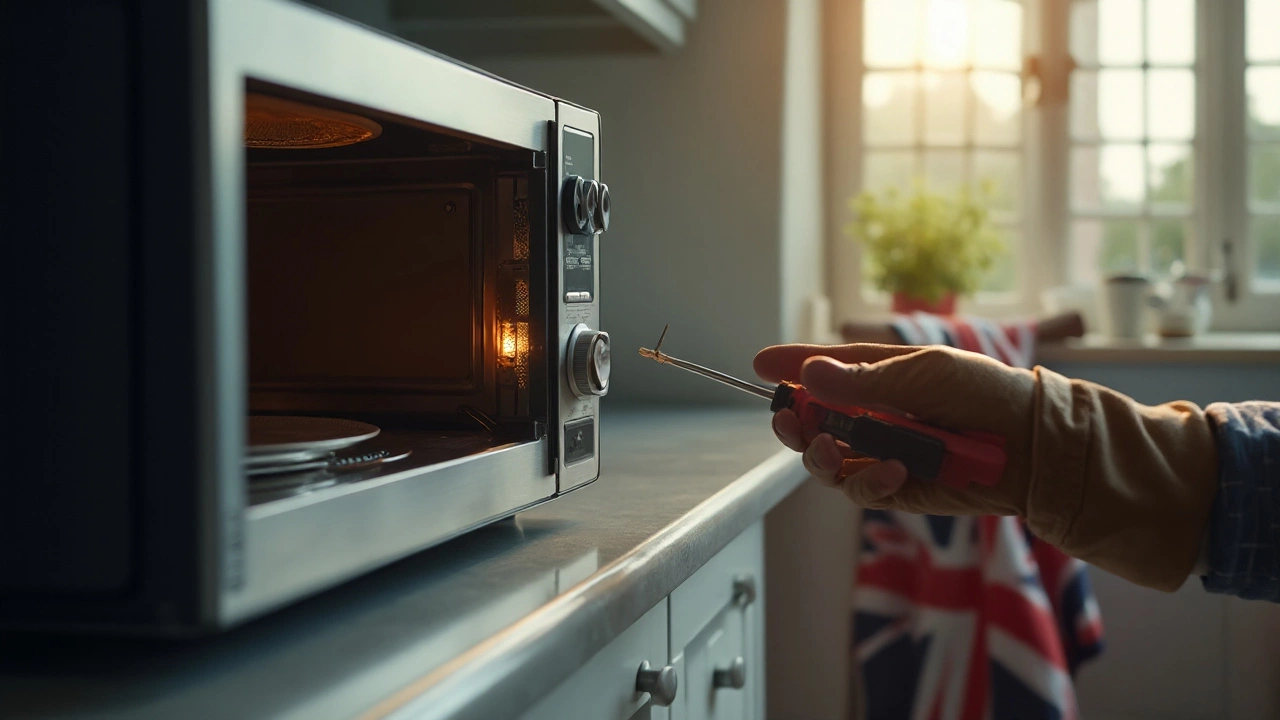
Learn fast how to spot a blown microwave fuse, test it safely, and replace it yourself. Step‑by‑step instructions, tools needed, and common pitfalls covered.

Wondering if you should flush or just drain your water heater? This article breaks down the difference, when each method makes sense, and what actually helps your water heater last longer. You'll find practical advice, simple tips, and a few things even pros forget. Discover the truth about tank cleaning—without the jargon or confusion. Your next maintenance day just got a lot less stressful.

Microwave suddenly dead? It might be the fuse. This article breaks down the real cost of repairing a microwave fuse—parts, labor, hidden fees, and whether you should DIY. You'll get practical tips on when to call a pro, what brands cost more, and how to avoid common mistakes. A straightforward guide to help you fix your microwave without overspending.

Extractor fans are crucial for maintaining fresh air and reducing humidity in various parts of a home. When these fans malfunction, it's important to know who to call for repairs. This article guides homeowners on how to find reliable extractor fan repair services. We'll look at why professional help is essential and what to consider when selecting a repair technician.

Why would a freezer suddenly stop working? This article uncovers the most common reasons, from electrical hiccups to sneaky broken parts. Get clear tips to troubleshoot on your own before calling in the pros. You'll also find surprising facts—like a forgotten coin trick to check freezing power. Whether it's food loss or a mystery beep, you'll get straight answers and a path to a cold fix.

Repairing a glass hob is an essential task for maintaining a functional and modern kitchen. The cost of fixing a glass hob can vary greatly depending on the damage's severity and the required repair type. This article delves into the various factors influencing repair costs, from crack treatment to replacement solutions. It also provides tips for maintenance to prolong the lifespan of your hob and prevent future damage.