

If you’ve ever wondered how many years your fridge will stay reliable, you’re not alone. Most fridges in the UK last between eight and twelve years, but that’s a rough average. Your fridge’s actual life depends on how you use it, how well you look after it, and the make and model you chose.
First up, usage patterns matter a lot. A fridge that’s constantly opened and closed, or one that’s over‑filled, works harder and ages faster. Keep the door shut as much as possible and avoid stacking heavy items that block airflow.
Second, maintenance is huge. Dirty condenser coils, worn door gaskets, and a set temperature that’s too low all force the compressor to run overtime. A quick wipe‑down of the coils every six months and a check of the seals can shave years off wear and tear.
Third, the environment plays a role. If your kitchen gets hot or the fridge sits near a heat source, the unit has to fight extra heat. Try to give it a little breathing space and keep the surrounding area clear.
Finally, brand and model quality matter. Some manufacturers design machines for 15‑year lives, while budget models may start showing trouble after just five years. Look for reviews that mention longevity before you buy.
Now for the easy things you can do right now:
Spotting early signs of trouble can save you a pricey repair. Look out for:
If you notice any of these, give the coils a quick clean and double‑check the seal. Often the issue resolves itself. If the problem persists, it’s time to call a professional.
When deciding between repair and replacement, use a simple rule of thumb: if the fridge is over ten years old and the repair costs more than half the price of a new unit, replace it. New fridges are more energy‑efficient, which can lower your bills enough to offset the upfront cost.
At Bognor Regis Appliance Repair Experts we’ve seen countless fridges rescued with a coil clean or a fresh seal. But we also know when a unit has reached the end of its useful life. A quick call can get you a clear quote and help you decide the best move.
Bottom line: regular cleaning, proper temperature settings, and watching for early warning signs will keep your fridge humming for years. When the time comes for a fix, a trusted local repair service can often give your machine a second wind, saving you money and waste.

Thinking about fixing your 7 year old refrigerator? This article breaks down the real costs, reliability, and what you should watch for before you pay for repairs. You’ll find clear tips on when it’s smarter to repair or replace, how much you’ll likely spend, and some key things most people forget to check. Get the real scoop from an expert so you don’t waste time or money.

Learn how to tell if your electric oven element is bad with simple visual checks and a multimeter test. Save time and money by diagnosing the issue yourself before calling a repair technician.

Wondering if your hot water heater is about to quit? This article breaks down the most common signs that your water heater needs to be replaced, from strange noises to rusty water. Find out how long these tanks usually last, what to look for during regular maintenance, and how to handle sudden issues. You'll get practical tips to keep your heater running smoothly and avoid a cold shower surprise. If you've ever worried about flooding, energy bills, or weird knocking, this is for you.
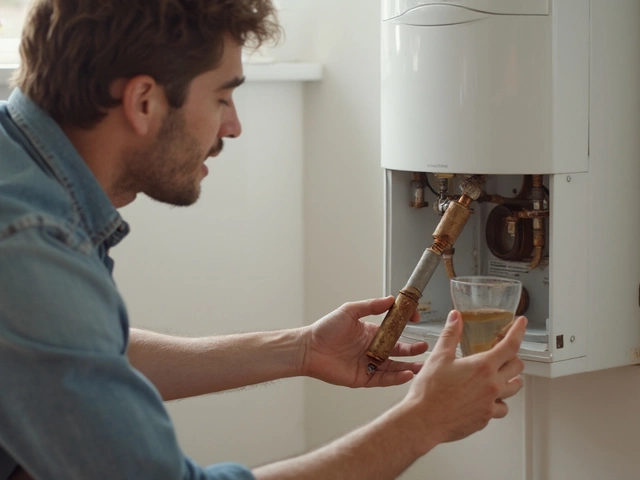
Not sure if your water heater's anode rod is shot? This article breaks down the telltale signs that your anode rod is past its prime, from weird smells to rusty water. Find out how long these rods actually last, why they're so important, and how to check them yourself. With some simple tips, you'll spot trouble before it wrecks your tank. Get the facts so you can keep hot water flowing without a nasty surprise.
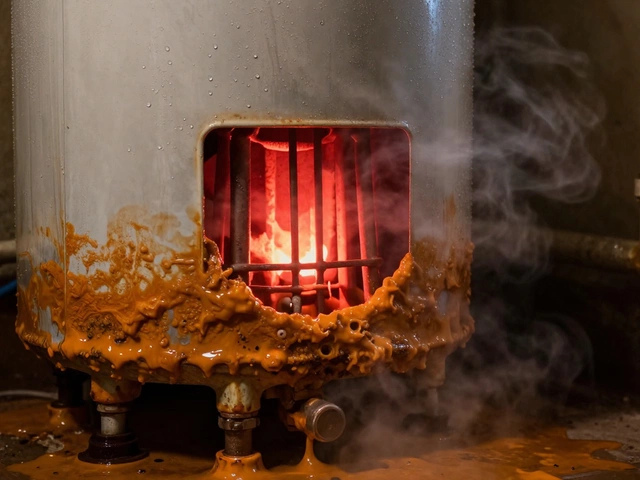
Sediment buildup from hard water is the #1 cause of water heater failure. Learn how mineral deposits damage your tank, why the anode rod matters, and simple steps to prevent leaks and extend your heater's life.

Thinking about how long your boiler will keep working? This article explains the real lifespan of boilers, the factors that affect how long they last, and how to spot when yours might be on its last legs. You'll get practical tips for stretching out your boiler's life and advice about when it's smarter to repair or just replace. Stay warm and avoid surprise breakdowns with these straightforward facts.