

If your freezer has stopped making ice or the food is getting soggy, you’re probably wondering what went wrong. A freezer that doesn’t stay cold can be annoying, waste food, and raise your energy bill. Luckily most issues are easy to identify and fix without calling a technician right away.
First, check the basics. The power cord might be loose, the outlet could have tripped, or the fuse might be blown. Plug another device into the same socket to be sure the power is there. Next, look at the temperature setting. Many people accidentally set the dial too warm after cleaning or reorganising the freezer. Aim for about -18°C (0°F) for optimal performance.
Ice buildup is another frequent culprit. If frost built up more than ½ inch thick, it blocks the airflow and makes the compressor work harder. This usually happens when the door stays open too long, the seal is damaged, or the defrost timer fails. A dirty condenser coil can also cause overheating. Dust and pet hair on the coils reduce heat transfer, so the compressor runs constantly without cooling the interior.
Finally, listen for unusual noises. A humming or clicking sound can signal a failed start relay or a broken fan motor. If the freezer makes a loud clunk, the compressor might be seized. These mechanical problems need a professional’s eye.
Start with a quick reset. Unplug the freezer for five minutes, then plug it back in. This resets the electronics and can clear minor glitches. While it’s unplugged, pull out the shelves and clean the interior with a mild soap solution. Remove any food that’s melted or spoiled.
Next, check the door gasket. Close the door on a piece of paper—if you can pull it out easily, the seal is leaky. Wipe the gasket with warm soapy water and inspect for cracks. A simple repair kit or a new gasket can stop warm air from sneaking in.
If you see heavy frost, defrost it manually. Turn the freezer off, leave the door open, and let the ice melt. Speed up the process with a bowl of hot water inside, but avoid using sharp tools that could damage the walls. Once the ice is gone, wipe everything dry, plug the unit back in, and let it reach the proper temperature before restocking food.
Cleaning the condenser coils is a must every six months. Locate the coils—usually at the back or underneath the freezer—and use a vacuum brush or a coil cleaning brush to remove dust. This helps the compressor stay cool and run efficiently.
After these steps, monitor the freezer for a few hours. If the temperature stays steady and there’s no unusual noise, the problem is likely solved. However, if it still runs hot, makes loud clicks, or the frost returns quickly, it’s time to call a professional.
At Bognor Regis Appliance Repair Experts, we specialise in quick, reliable freezer repairs for homes in Bognor Regis and surrounding areas. Our technicians can diagnose faulty relays, replace compressors, or fix seal issues on the spot. Give us a call when DIY isn’t enough—you’ll save money on food waste and avoid a bigger repair bill later.

A malfunctioning freezer can be a headache, particularly when it involves the compressor. Understanding whether it's worthwhile to replace a compressor requires consideration of several factors, including cost, age, and efficiency. This article breaks down the key elements for deciding if compressor replacement is the best route. With practical advice and insider tips, you'll gain clarity on making an informed decision for your appliance.
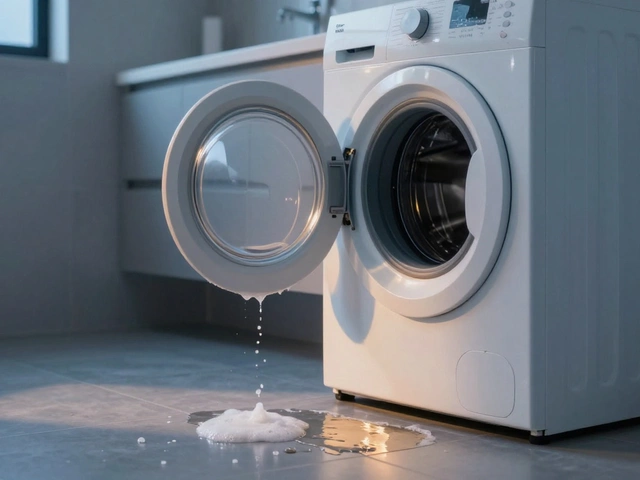
Discover the most common washing machine failures, from blocked filters to bearing issues. Learn how to diagnose leaks, spinning problems, and electronic glitches yourself.

Wondering if your hot water heater is about to quit? This article breaks down the most common signs that your water heater needs to be replaced, from strange noises to rusty water. Find out how long these tanks usually last, what to look for during regular maintenance, and how to handle sudden issues. You'll get practical tips to keep your heater running smoothly and avoid a cold shower surprise. If you've ever worried about flooding, energy bills, or weird knocking, this is for you.
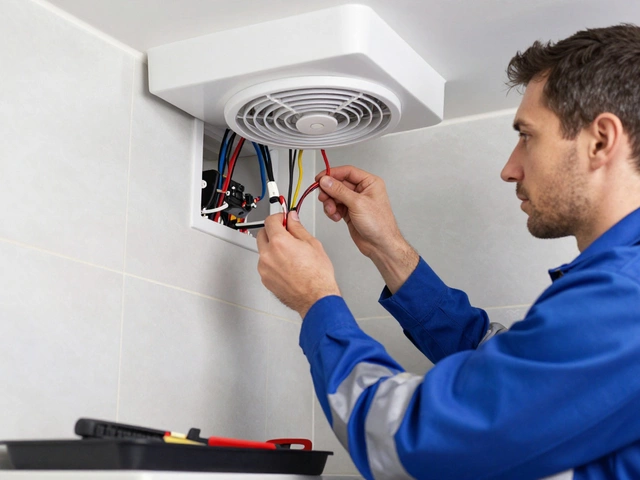
Discover which tradesperson fits an extractor fan. Learn when to hire an electrician vs. a plumber for safe, compliant UK installations.

Extractor fans are essential for maintaining good air quality in homes, but what happens when they break down? This article explores whether electricians are the right professionals to fix extractor fans, the typical issues these fans encounter, and some maintenance tips to avoid frequent repairs. Learn about the repair process and when it might be time to replace your fan altogether.
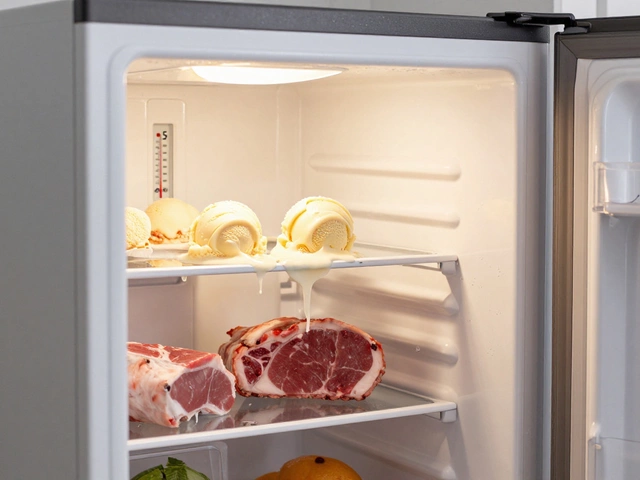
When your freezer stops freezing, food spoils fast and bills spike. Learn the top causes - from bad seals to failing compressors - and how to fix them yourself before calling a technician.