

If your shower feels lukewarm or your water takes forever to heat up, a build‑up of sediment could be the culprit. Flushing your water heater removes that gunk, improves efficiency, and can extend the unit’s life. The good news? You don’t need a plumber for a basic flush – just a few tools and a bit of patience.
Over time, minerals from hard water settle at the bottom of the tank. Those layers act like insulation, making the heater work harder to reach the desired temperature. The result is higher energy bills, longer wait times for hot water, and eventually, premature wear on the heating element or tank.
Regular flushing (once a year for most homes) keeps the tank clean, maintains consistent heat, and reduces the risk of costly repairs. If you have very hard water, consider flushing twice a year.
1. Gather your supplies. You’ll need a garden hose, a bucket, and a pair of gloves. Turn off the power or gas supply to the heater – electricity at the breaker, gas at the valve.
2. Shut off the water inlet. Locate the cold‑water supply valve on top of the tank and turn it clockwise until it stops. This stops fresh water from entering while you work.
3. Connect the hose. Attach the hose to the drain valve at the bottom of the tank. Run the other end to a safe drainage spot – a floor drain or outside area works best.
4. Open the drain valve. Let the water flow out. You’ll hear a sputtering sound as air replaces the water. Keep an eye on the flow; if it slows, you may need to open the pressure‑relief valve on top to let air in.
5. Flush with fresh water. Once the tank is empty, briefly turn the cold‑water supply back on while the hose is still attached. This will stir up any remaining sediment and push it out. Let the water run clear, then close the supply again.
6. Refill and restart. Close the drain valve, remove the hose, and open the cold‑water supply fully. When water runs steadily from the pressure‑relief valve, the tank is full. Restore power or relight the pilot, then let the heater warm up.
That’s it – a quick, cost‑free way to keep your hot water flowing smoothly.
If you notice rust, a strange smell, or the water still runs cold after flushing, it’s time to call a professional. Those signs can indicate a failing tank or a more serious component issue that needs expert attention.
Remember, regular maintenance saves money and prevents surprise breakdowns. Set a calendar reminder for the next flush and enjoy reliable hot water year after year.

Learn how often to flush your water heater, why it matters, signs it's time, mistakes to avoid, and simple steps to, maintain hot water at home.
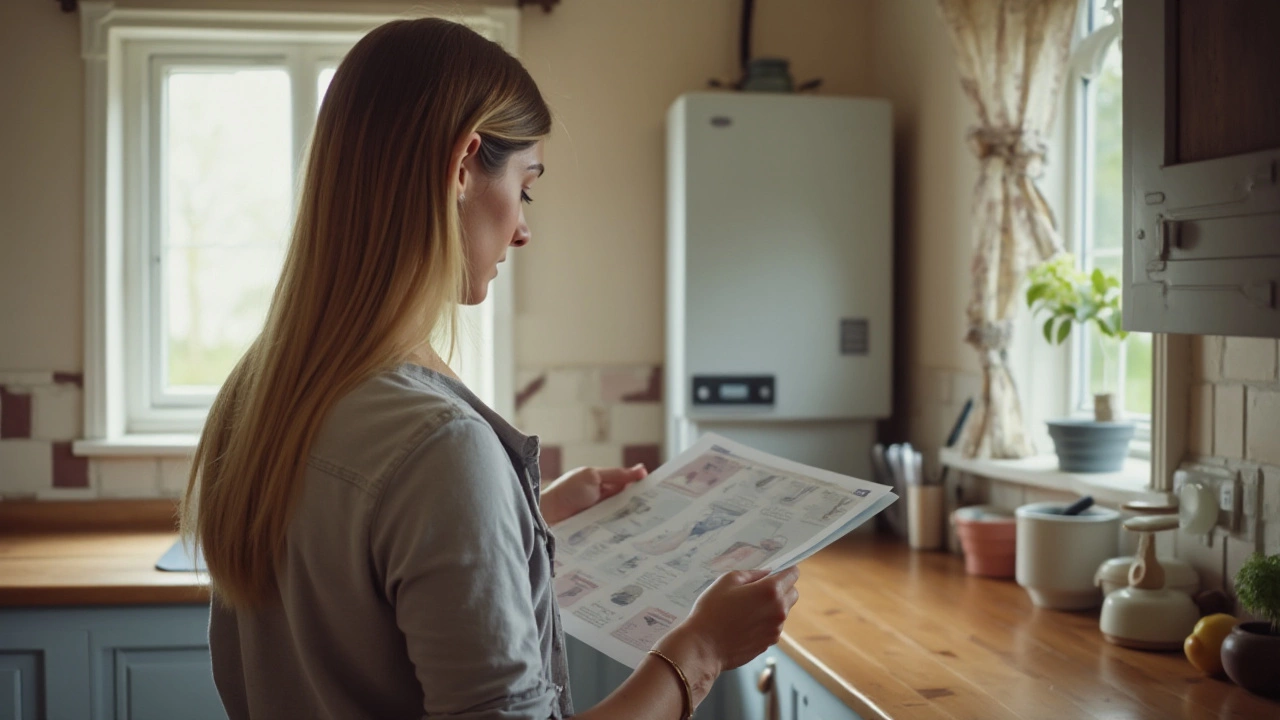
Flushing your water heater is an essential maintenance task that can extend its lifespan and improve efficiency. As water heaters age, sediment and minerals build up, potentially leading to costly repairs or irreparable damage. Learn how often you should flush a ten-year-old water heater and whether it's worth considering professional help. Discover practical tips and insights for maintaining this critical home appliance effectively.
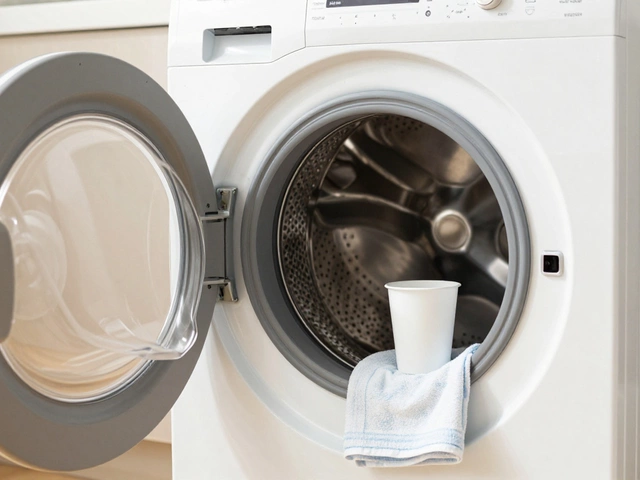
The longest average lifespan of a washing machine is 15-20 years for high-quality models with proper care. Most last 8-12 years, but maintenance, load size, and water quality make a huge difference. Learn how to extend your washer's life and when to repair vs. replace.

Discover the average life expectancy of a freezer, signs of failure, and whether to repair or replace. Learn practical tips to extend appliance lifespan and make smart financial decisions.

Electric stoves are a staple in many kitchens, but how long can you expect them to last? This article delves into the average lifespan of an electric stove and what factors can influence its longevity. Discover maintenance tips that can help extend its life and recognize signs when repairs or replacements might be necessary. This guide aims to empower you with insights into prolonging the efficiency of your kitchen's electric stove.

Ever wonder if switching your boiler on and off harms it? This article unpacks how boilers handle frequent power cycles, what really wears them out, and when switching off could save you cash or cause problems. Find out the best ways to run your boiler for both safety and savings. Practical tips and real facts—all in plain English. Avoid costly repairs by knowing how to treat your boiler right.
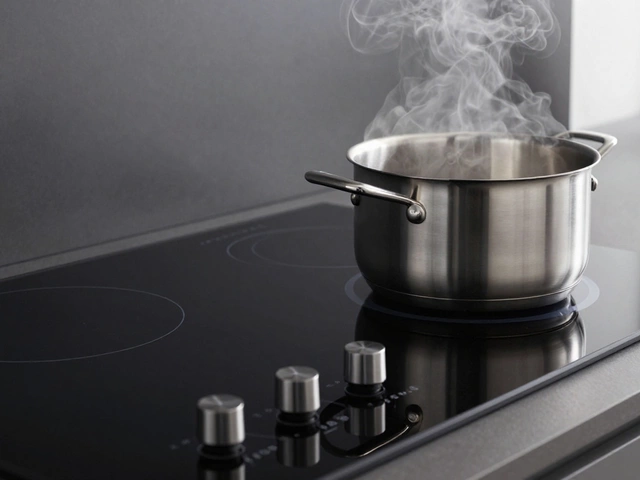
Discover how long electric hobs last, from ceramic to induction models. Learn signs of failure, repair vs. replace costs, and tips to extend lifespan.