

If your boiler stopped heating or making strange noises, you might wonder whether you can fix it yourself. The good news is many common problems have easy fixes that a confident DIYer can handle. This guide walks you through the basics, from safety checks to simple repairs, so you can decide if it’s worth the effort or if a professional is needed.
First things first – safety. Boilers involve gas, electricity, and hot water, so you must turn off the power and the gas supply before you start any work. If you smell gas, hear a hissing sound, or feel a strong smell of fuel, leave the house and call a Gas Safe engineer right away. Those situations are not for DIY.
For non‑emergency issues like a lock‑out error code, a tripped thermostat, or a leaking pressure valve, you can usually troubleshoot safely. The key is to read the error code on the display, check the user manual, and follow the steps listed there. If the fix is a simple part swap – a thermostat sensor, a pressure relief valve, or a broken pump seal – you can often do it with basic tools.
1. Reset the boiler. Many modern boilers have a reset button that clears temporary faults. Turn off the boiler, wait 30 seconds, then press the reset. If it fires up again, you may have solved a minor glitch.
2. Check the pressure. Look at the pressure gauge – it should read between 1 and 1.5 bar when the system is cold. If it’s low, locate the filling loop, open the valves, and let water in until the gauge reaches the right level. Close the valves and bleed any air from radiators.
3. Inspect the thermostat. Ensure the thermostat is set higher than the room temperature and that its battery isn’t dead. Swap the battery if needed, or try a different thermostat to rule out a faulty sensor.
4. Look for blocked condensate pipe. A frozen or blocked pipe can cause the boiler to shut down. Clear any ice with warm water or a hair dryer (never use an open flame). Make sure the pipe slopes away from the boiler.
5. Clean the radiators. Air trapped in radiators reduces heating efficiency. Use a radiator key to open the bleed valve, let out the air until water flows, then close it. This often restores heat quickly.
6. Replace a faulty part. If you’ve identified a specific part – like a faulty pump, a broken valve, or a cracked heat exchanger – order the correct replacement from a reputable supplier. Follow the manual’s instructions, use the right wrench sizes, and keep a photo of how the part fits before you remove it.
After any repair, run the boiler for a few minutes while watching for leaks or error codes. If everything looks clean and the heating returns, you’ve saved a call-out fee and learned more about your system.
Remember, regular maintenance keeps most problems away. Flush the system every year, check the pressure twice a year, and schedule a professional service annually. A little DIY can handle the everyday hiccups, but a qualified engineer should still check the boiler yearly to keep it safe and efficient.
So, the next time you hear a click or see a red light, ask yourself: is it a simple reset or a gas leak? If it’s the former, follow the steps above and you’ll likely have warmth back in no time. If you’re ever unsure, don’t hesitate to call a certified boiler technician – it’s better to be safe than sorry.
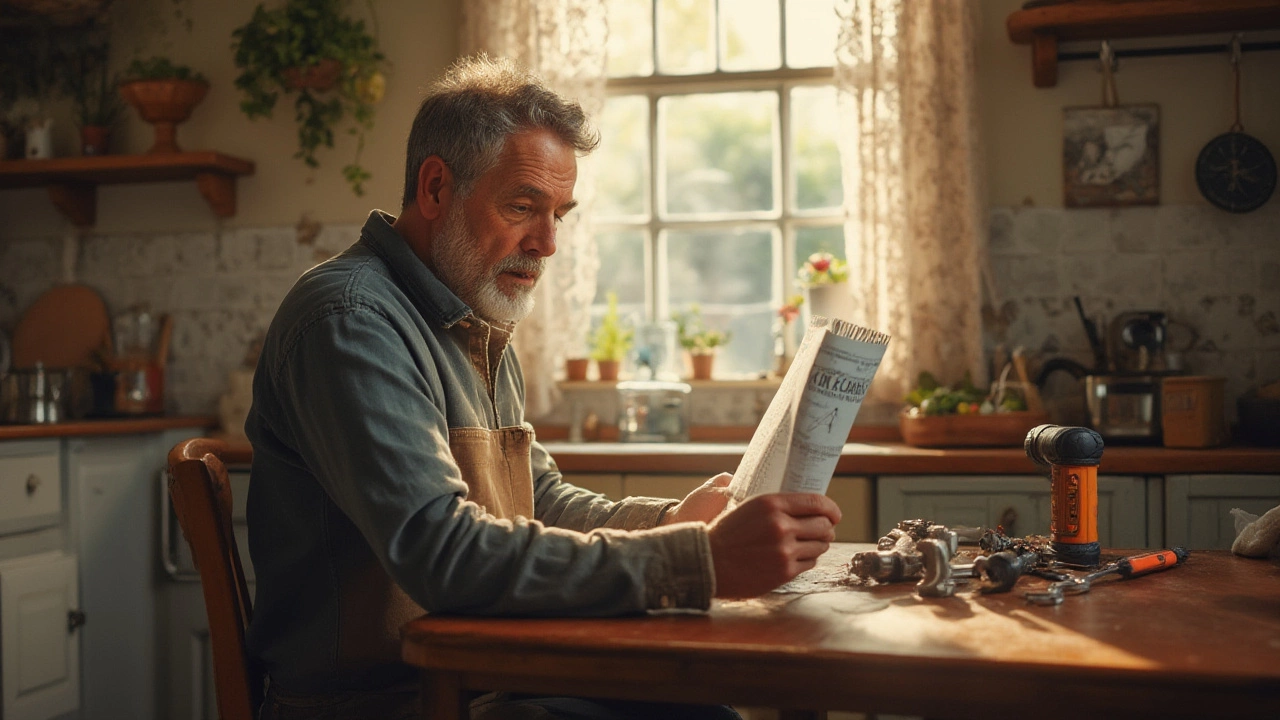
Curious if you can fix your boiler yourself? This detailed guide covers common boiler problems, easy repairs you can tackle, and when to leave it to the pros.
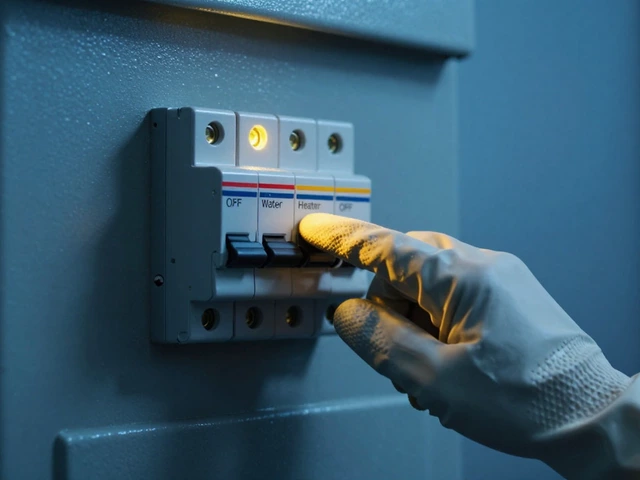
Learn if you need to turn off the breaker to reset a water heater. Step-by-step safety guide for electric and gas models, troubleshooting tips, and when to call a pro.
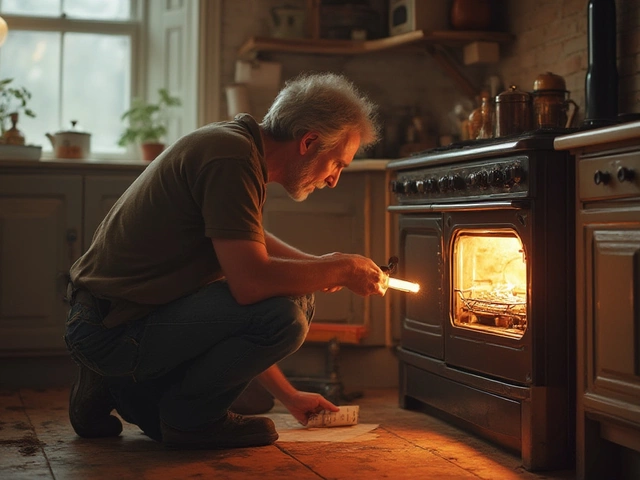
Got a cold oven? Learn if you can swap that faulty heating element yourself, what tools you'll need, and exactly what to watch out for. Easy fixes, with real-life tips.
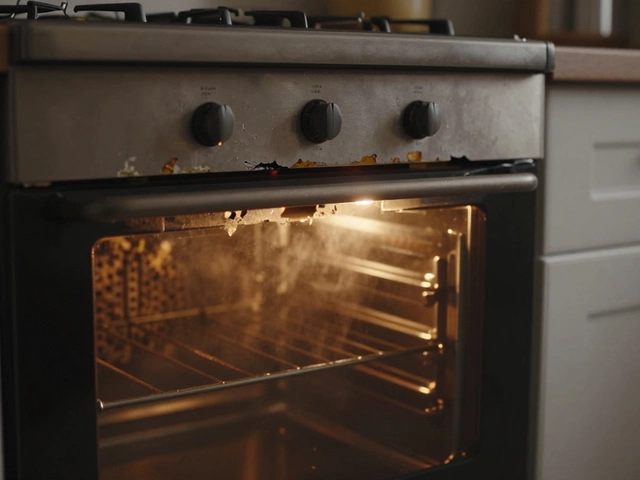
Most ovens last 10 to 15 years, but usage and maintenance affect lifespan. Learn the signs your oven is failing, when to repair vs. replace, and how to make it last longer.
Deciding whether to repair an electric oven after five years can be tricky, especially with advancing technology and evolving household needs. This article explores the practical aspects of oven repair, including cost-benefit analyses, common issues, and DIY tips to help inform your decision. By understanding key factors like repair costs versus replacement options, you can make an informed choice. Learn how to assess the condition of your oven and get tips on when professional help might be needed.
Deciding whether to repair or replace a dishwasher can be challenging. This article explores factors like cost, lifespan, and environmental impact to help homeowners make an informed decision. Learn about common dishwasher issues and repair tips to prolong its life. Evaluate professional repair services versus DIY fixes and consider when it's time to let go and invest in a new appliance.