

Ever wonder why your kitchen fan sounds like a dying cat or why the bathroom fan barely whirs? Most of the time it’s a simple problem you can spot yourself before calling a pro. Doing a quick fan test saves you time, money, and the headache of a soggy kitchen or steamy bathroom.
A well‑working fan pulls out smoke, steam and odors, keeping your home fresh. When it slows down, rattles, or stops, moisture can build up, mold can grow, and smells linger. Testing tells you if the motor is still healthy, if the blades are blocked, or if the wiring has gone bad. Knowing the exact issue helps you decide whether a DIY fix will do or if you need a qualified technician from Bognor Regis Appliance Repair Experts.
1. Listen and feel. Turn the fan on. A smooth, steady hum means the motor is okay. Clicks, grinding, or a weak whirr point to worn bearings or a clogged blade.
2. Check the power. Make sure the switch or wall outlet works. Test the outlet with a lamp or a multimeter. A dead outlet means the problem isn’t the fan at all.
3. Inspect for blockage. Turn off the power, remove the fan cover, and look for grease, dust or debris stuck on the blades. A quick clean with a soft brush can restore airflow.
4. Test the speed. Some fans have multiple speeds. Switch through them; if the fan stays at the lowest speed no matter which setting you choose, the speed control switch may be faulty.
5. Feel the airflow. Hold a piece of paper or a light card a few inches in front of the vent. If the paper doesn’t lift, the fan isn’t moving enough air – could be a motor issue or a broken impeller.
6. Look for loose wires. With the power off, remove the fan housing and glance at the wiring. Frayed or disconnected wires are a clear sign you need professional help.
Once you’ve run through the checklist, you’ll have a solid idea of what’s wrong. If you found a blockage or a loose switch, a simple fix might get your fan humming again. If the motor feels hot, makes grinding noises, or the wiring looks damaged, it’s time to call the experts.
At Bognor Regis Appliance Repair Experts we specialize in fan diagnostics, motor replacements and full‑service extraction system repairs. Our technicians know the local climate and can recommend the best ventilation solutions for homes in Bognor Regis.
Don’t let a faulty fan ruin your cooking or shower experience. A quick test today can keep your home fresh and stop small problems from turning into costly repairs tomorrow.

This article provides a comprehensive guide on how to test and maintain your kitchen extractor fan to ensure it functions optimally. It includes practical steps for diagnosing common issues, cleaning tips to improve efficiency, and essential maintenance advice. Discover how to test airflow and electrical components safely, ensuring your kitchen remains free from unwanted odors and excess humidity. Learn valuable insights and practical tips to keep your extractor fan in top shape.

Repairing a glass hob is an essential task for maintaining a functional and modern kitchen. The cost of fixing a glass hob can vary greatly depending on the damage's severity and the required repair type. This article delves into the various factors influencing repair costs, from crack treatment to replacement solutions. It also provides tips for maintenance to prolong the lifespan of your hob and prevent future damage.

Considering replacing your electric oven on your own? Before you jump into action, it's crucial to understand the steps involved and the potential challenges you might face. From ensuring safety precautions to understanding the basic wiring, this article delves into what you need to know. We'll discuss not only the tools and skills required but also when it's better to call in a professional. By the end, you'll have a clearer picture of whether you should tackle this task yourself or seek expert help.

Cracks in electric hobs can show up suddenly and cause real headaches in the kitchen. This article looks at why electric hobs crack, from common mistakes to sneaky issues with installation. You'll get practical tips on how to prevent damage and handle minor cracks. Find out when you can fix a hob yourself and when it's smarter to call for professional help. Stay ahead of costly repairs and keep your cooking space safe.
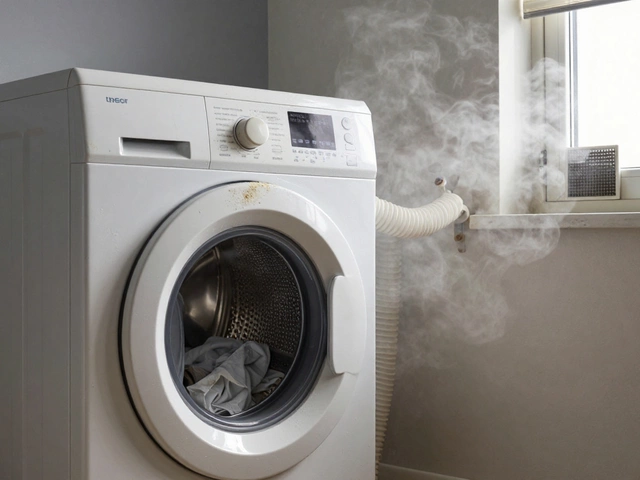
Most tumble dryers last 8-13 years, but poor maintenance can cut that in half. Learn the signs your dryer is failing, when to repair vs replace, and how to make it last longer.

Experiencing no hot water in the shower can be frustrating, especially on cold mornings. This article provides practical solutions to diagnose and resolve common issues with your water heating system. From checking simple things like the thermostat to identifying more complex issues like a faulty heating element, you'll learn how to get back to enjoying a warm shower.