

When your extractor fan stops pulling out steam and odors, cooking becomes a nightmare and bathroom humidity spikes. The good news is most problems are easy to fix if you know what to look for. Below you’ll get practical steps to clean, check and extend the life of a fan without calling in a pro every time.
Grease, dust and lint love the heat inside a fan. If you clean the filter once a month, you’ll notice stronger suction and quieter operation. For a busy kitchen, a weekly wipe‑down of the external cover does the trick; in a guest bathroom, every two weeks is fine. To clean, turn the fan off at the mains, remove the grille, and soak it in warm soapy water for ten minutes. Rinse, shake off excess water and let it dry completely before re‑installing.
Don’t forget the hidden parts. The motor housing can collect fine dust that blocks airflow. A soft brush or vacuum brush attachment can gently clear the inside without damaging wires. If the fan still sounds weak after cleaning, check the vent pipe for blockages – a simple garden hose flush can push out built‑up debris.
Even with regular care, fans wear out. Look for rattling, a burning smell, or an inability to clear steam after a thorough clean. Those signs usually mean the motor bearings are failing or the fan blades are warped. Replacing a motor is a task for an experienced electrician because it involves wiring and safety checks.
If you’re not comfortable working with electricity, call a qualified repair service. They can test the fan’s voltage, replace faulty parts and ensure the installation meets UK safety standards. Knowing when to outsource saves time and prevents damage to your home’s wiring.
Another factor is age. Most extractor fans last 8‑12 years if maintained properly. When you hit the ten‑year mark, compare the cost of a new, energy‑efficient model with the price of a repair. New fans often have better airflow ratings and quieter motors, which can lower your electricity bill.
For DIY replacement, gather a screwdriver, a drill (if your fan is screwed into the ceiling), and the new fan kit. Turn off the circuit breaker, detach the old unit, connect the new wiring according to the color code (live, neutral, earth), and secure the fan in place. Tighten the screws, restore power and give it a test run. If the fan spins smoothly and clears steam, you’ve saved a call‑out fee.
Regular maintenance also improves indoor air quality. A clean fan removes excess humidity that can cause mold on walls and ceilings. It also helps keep cooking fumes from settling on cabinets, extending the life of your kitchen surfaces.
To sum up, schedule monthly filter cleanings, check the vent pipe annually, and listen for any odd noises. When the fan is over a decade old or shows motor issues, weigh the repair cost against a new, efficient model. And if you ever doubt the wiring, let a certified professional handle it. With these simple habits, your extractor fan will keep your home fresh for years to come.

Learn how to replace a kitchen extractor fan motor safely. This step-by-step guide covers diagnosis, tool preparation, removal, and installation tips for DIY enthusiasts.

Extractor fans are a lifesaver when it comes to clearing out steam, smoke, and nasty odors, but many people forget they actually need a little love now and then. This article cracks open the question of whether extractor fans need maintenance, and if so, what kind and how often. We'll cover quick tips, warning signs, and busted myths around fan care. Get the straightforward facts (and a few surprises) about keeping your fan working its best. No nonsense, just super practical info you can use right now.

Discover who to call when your bathroom extractor fan starts acting up. This article explores whether to hire a professional electrician or tackle it yourself, highlighting common issues and maintenance tips. You'll also learn why keeping your fan in top shape matters more than you might think.

Wondering how long a washing machine should actually last? This article breaks down real averages, points out what causes washers to wear out, and shows simple ways to get more years out of your machine. We’ll look at red flags for replacement, compare old versus new models, and clear up some common myths about washers. If you want your next laundry day to go smoothly—or you’re tired of surprise breakdowns—this guide’s for you.
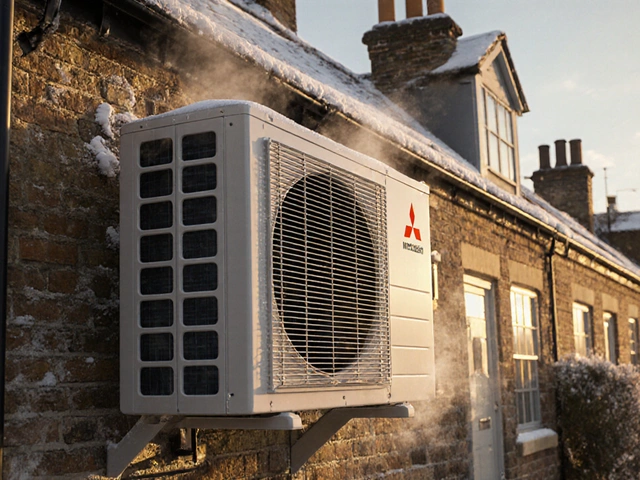
Discover the most reliable heat pump brands for UK homes in 2025, based on real repair data, warranty claims, and installer feedback. Avoid costly mistakes by choosing wisely.

Is your 10 year old dryer gasping for air, and you’re wondering if it’s time to fix or toss it? This article breaks down how long dryers usually last, what typical repair costs look like, and when it just makes more sense to get a new one. You’ll find smart tips to figure out if fixing an older dryer is throwing good money after bad or saving yourself from an expensive upgrade. Get real-life advice that skips the fluff and gets to the point.

Is your hot water heater suddenly not working? Here’s what can go wrong, how to spot the problem fast, and pro tips to get hot water back right away.

If your extractor fan has suddenly stopped working, it's not just annoying but can lead to bigger problems like excess moisture and lingering odors. This article will delve into common issues with extractor fans and provide practical solutions you can try at home. Learn about potential causes, from power supply problems to sensor malfunctions, along with straightforward fixes. Some tips might even save you from calling in a professional. Get your fan back up and running with ease!