

Ever stood in the kitchen wondering why your extractor fan sounds like a jet engine or why the air barely moves? You’re not alone. Most households hit a snag with their fans at some point – motor whine, weak suction, or the dreaded complete stop. The good news? Many of these glitches are easy to spot and often fix without calling a stranger.
First, listen. A high‑pitch squeal usually means the motor bearings are wearing out. A thumping noise can point to a loose fan blade or a damaged motor mount. If the fan runs but the airflow feels thin, the filter is probably clogged with grease and dust. And if the fan refuses to start altogether, check the power supply – a tripped circuit breaker or a loose plug is a common culprit.
Another red flag is the fan staying on longer than needed. Modern fans have built‑in timers or humidity sensors; if those components fail, the fan may run continuously, wasting electricity and getting hotter than it should.
Before you grab the phone, try these quick steps. Turn off the power at the fuse box – safety first. Remove the front grille (usually a couple of screws) and give the filter a good soak in hot, soapy water. Let it dry completely and pop it back in.
If the motor still sounds odd, locate the motor housing and clean any dust you see with a soft brush. A burst of compressed air can clear hidden grime from the fan blades. For a noisy motor, a few drops of lightweight oil on the bearings can calm things down, but only if the motor is designed for it – check the label.
When the fan won’t spin at all, test the wiring with a multimeter. Look for a clean connection at the terminal block; a corroded strap can stop electricity flowing. If the wiring looks fine, the motor itself may be burnt out. In that case, swapping the motor is the next step, and you’ll need the exact model number – it’s usually on a sticker inside the housing.
Most extractor fans last about 5‑7 years. If yours is older, the bearings, motor, or even the fan housing might be near the end of its life. A fresh fan can cost less than a full repair, especially if you’re already opening the unit.
When you decide it’s time for a replacement, the DIY route is doable. Measure the duct size, buy a compatible unit, and follow the simple plug‑and‑play instructions most brands provide. Just remember to seal any gaps with duct tape to keep the air moving efficiently.
But not every problem is a weekend project. If you’ve tried cleaning, checked the wiring, and the fan still misbehaves, it’s time to call in a professional. Electricians and qualified appliance technicians know how to safely test the motor, replace internal components, and ensure the fan meets local building codes.
At Bognor Regis Appliance Repair Experts, our team handles extractor fan repairs fast. We’ll diagnose the fault, tell you whether a repair or a new fan makes more sense, and get your kitchen back to breathing easy.
So next time your fan acts up, start with the easy checks, weigh the age of the unit, and don’t hesitate to call a pro if the fix looks beyond a quick DIY. A working extractor fan keeps cooking smells down and your kitchen fresh – and that’s worth a little attention.

Extractor fans are essential for maintaining good air quality, especially in kitchens and bathrooms. When they stop working, it might be due to electrical, mechanical, or cleanliness issues. Understanding the root causes of fan failures can save you time and money in repairs. Discover common problems, practical tips, and preventive measures to keep your fan spinning efficiently.

Discover how long extractor fans last, what shortens their life, and tips to maximize their lifespan in your kitchen or bathroom. Practical, clear advice from real experience.

Thinking about replacing your old boiler but dreading the mess? This article breaks down exactly what kind of disruption to expect during a boiler swap. Find out what typically gets messy, which steps are surprisingly neat, and how you can prep your space to keep chaos to a minimum. Get straightforward tips to protect your home, plus the real deal on post-installation cleanup. No sugarcoating—just facts every homeowner should know before booking the job.
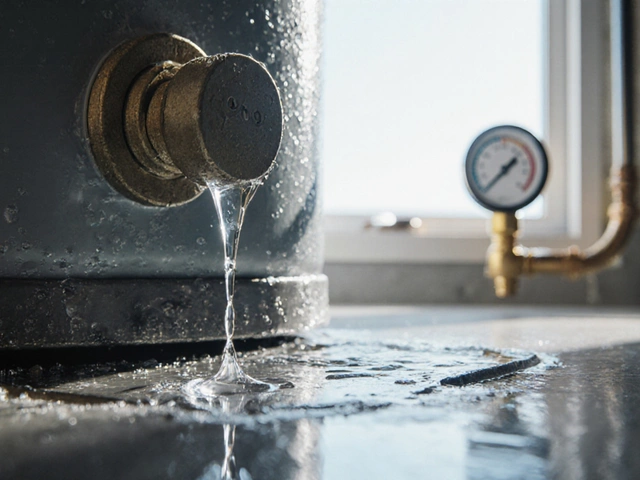
Water heater leaks usually come from five common spots: the pressure relief valve, anode rod, drain valve, tank corrosion, or pipe fittings. Learn where to look and how to fix it before it turns into a flood.
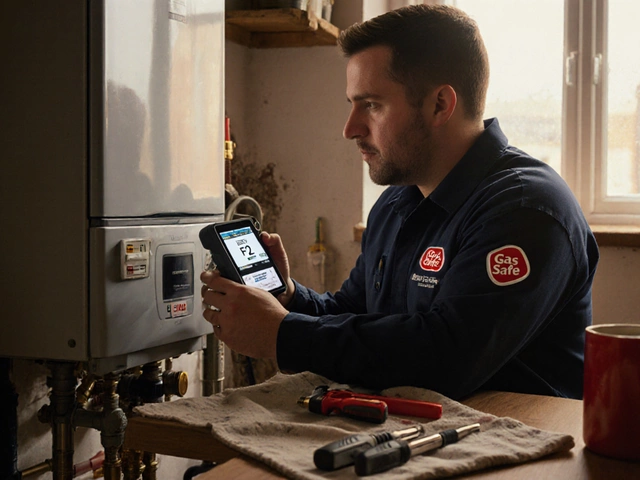
Not all plumbers can fix boilers-only Gas Safe registered engineers can legally work on gas systems. Learn when to call a plumber vs. a heating engineer, how to verify qualifications, and what to expect from a boiler service.
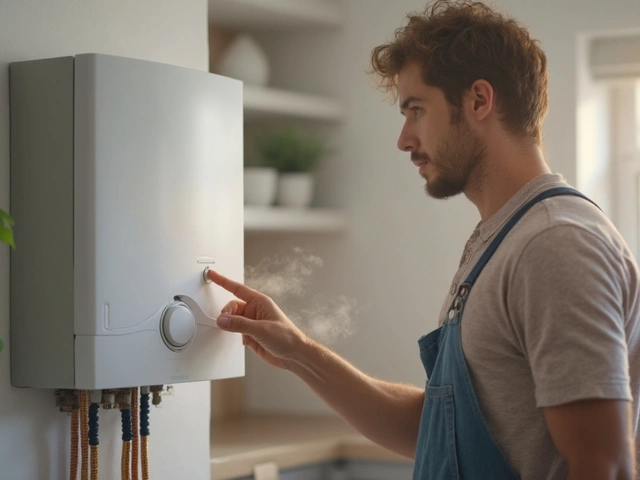
Dealing with a water heater that keeps tripping can be a headache—hot water one minute and a cold shower the next. This article breaks down the most common reasons for this irritating problem, giving you clear steps for figuring out if it’s a simple DIY fix or if you should call in a pro. You’ll get straight talk, not complicated jargon or long-winded explanations. Learn what to check, what parts usually fail, and when your water heater might just be on its last leg. Get the confidence to handle the problem and save yourself a ton of hassle.