

If your water heater is acting up, the first thought is often “replace it.” But a lot of the wear and tear can be avoided with a few easy habits. Below are the most practical steps you can start today to keep your heater running smoothly for years.
Mineral buildup is the #1 cause of reduced efficiency. Every 6‑12 months, turn off the power or gas, attach a hose to the drain valve, and let the tank empty. Then fill it back up and turn the unit on. This simple flush clears sediment that would otherwise insulate the heating element and force the heater to work harder.
Most people set their thermostat to 140°F (60°C) because they think hotter water means better performance. In reality, 120°F (49°C) is hot enough for showers and cuts energy use by up to 6 %. Lowering the temperature also slows down the corrosion of the internal metal parts, extending the heater’s life.
While you’re at it, check the pressure‑relief valve once a year. Lift the lever – you should see water flow out and then stop when you release it. If it sticks, replace the valve; a faulty valve can cause leaks and dangerous pressure buildup.
The anode rod acts like a sacrificial metal, attracting corrosive elements so the tank itself stays intact. Inspect it every 2‑3 years. If it’s heavily corroded (more than 6 inches of the ½‑inch core exposed), swap it out. Replacing the rod is cheap – often under £30 – and can add a decade to your heater’s lifespan.
Wrap the tank with a foam blanket designed for water heaters. This keeps heat in, so the unit doesn’t fire up as often. Also, add an insulating jacket around the hot‑water pipes that run from the heater to the taps. The right insulation can cut your heating bill by 10‑15 % and reduces the strain on the heater.
Hard water leaves mineral deposits, while acidic water speeds up corrosion. If you have hard water, consider a water softener. For acidic water, a simple neutralizing filter can protect the tank’s metal surfaces. Both solutions are inexpensive and pay for themselves quickly by reducing wear.
A single heater can only heat a certain amount of water at a time. Trying to run multiple showers and the dishwasher simultaneously forces the unit to run nonstop, which shortens its life. Spread out high‑draw activities or upgrade to a larger tank if you consistently need more hot water.
Finally, schedule a professional inspection every 1‑2 years. A qualified engineer can spot subtle issues – a cracked dip tube, a loose gas valve, or a failing thermostat – before they become costly repairs. Many local services offer a quick check‑up for a modest fee, and it’s often cheaper than a sudden breakdown.
By flushing the tank, setting the right temperature, checking the anode rod, adding insulation, managing water quality, and avoiding overload, you’ll keep your water heater humming for years. Small habits today mean fewer service calls, lower bills, and endless hot showers tomorrow.
Water heaters are essential fixtures in homes, providing warm water for daily needs. Understanding their lifespan can help homeowners plan for replacements and avoid unexpected cold showers. Depending on the type and maintenance, a water heater can typically last between 8 to 12 years. Regular inspections and upkeep can potentially add years to a water heater's lifespan.
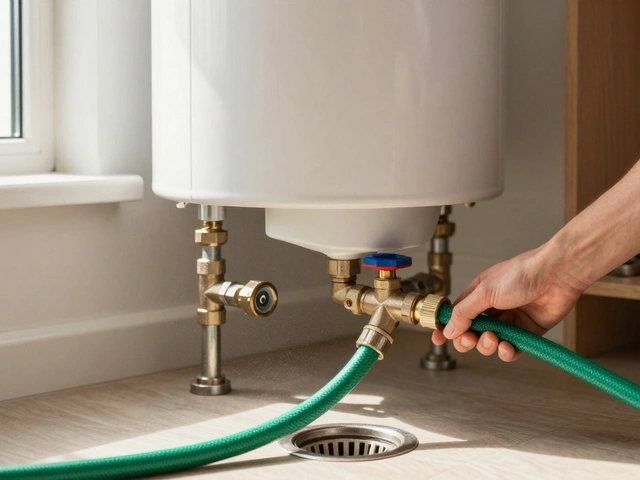
Learn essential water heater maintenance tasks like flushing sediment, checking the anode rod, and testing safety valves to extend lifespan and improve efficiency.
Learn how long vented, condenser and heat‑pump tumble dryers typically last, what factors affect their lifespan, and how regular maintenance can add years.
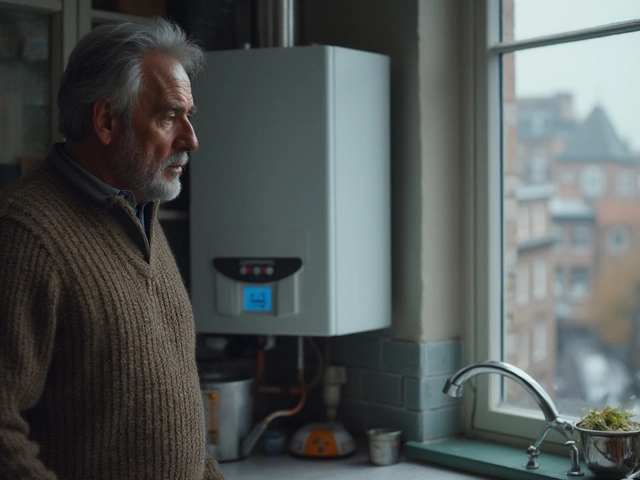
Struggling with a hot water heater that refuses to kick on can be frustrating, especially on chilly days. In this detailed guide, you'll find practical solutions and in-depth explanations to help diagnose and possibly fix some of the most common issues that prevent your hot water heater from functioning. Whether it's a simple power issue or a more complex mechanical fault, this article equips you with the knowledge to tackle the problem. It's time to stop second-guessing and start understanding what's really going on with your heating system.
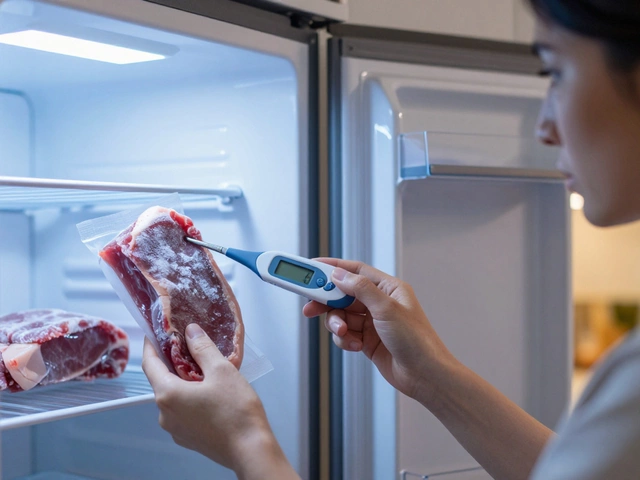
Find out if your food is safe after a freezer breakdown. Learn how long food stays cold, what to keep vs. toss, and essential steps to prevent waste and illness.
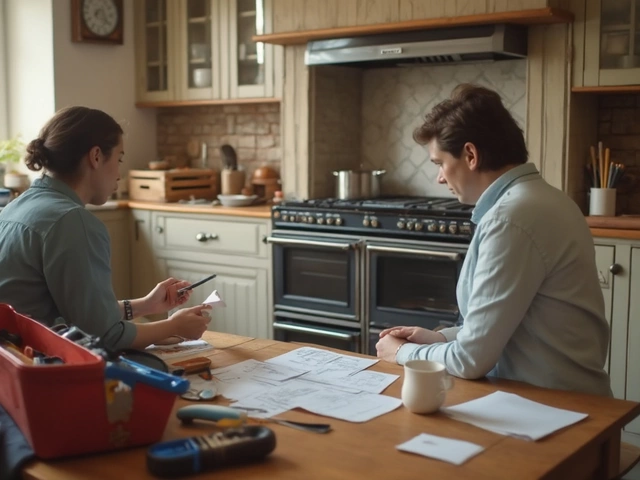
Thinking about whether to repair an 8-year-old oven? This article digs into the real costs and benefits, from repair bills to how long ovens actually last. You'll get tips on diagnosing simple issues yourself, signs to look for before calling a pro, and how energy efficiency compares between old and new models. See how warranties, brand reputation, and parts availability impact the final call. Get advice that’s practical, straight-up, and doesn’t waste your time.