

If you’re wondering whether your electric stove will outlive the next paint job, you’re not alone. Most electric stoves are built to run 10‑15 years, but many owners see them working well beyond that with a little care. The key is knowing the usual wear points and tackling them before they turn into costly repairs.
First, keep an eye on the burners. If a coil takes longer to heat up, flickers, or shows dark spots, the heating element is wearing down. A quiet click or a faint smell of burnt plastic can also mean the internal wiring is getting loose.
Second, check the controls. Sticky knobs, delayed response, or a display that won’t stay on are all clues that the thermostat or electronic board is aging. These issues often show up after 8‑10 years of daily use.
Third, listen for unusual noises. A humming that never stops or a buzzing sound when the stove is off suggests a failing transformer or a cracked capacitor. Ignoring these sounds can lead to a complete failure of the unit.
Cleaning is the easiest way to add years to your stove. Wipe spills right away—sugar, oil, and food debris can corrode the coil and the surrounding metal. Use a soft cloth and a mild detergent; harsh abrasives will scratch the surface and let moisture seep in.
Every six months, pull the stove out (or ask a professional) and inspect the wiring behind the control panel. Loose connections are a common cause of intermittent power loss. Tightening them is a quick fix that can save you from a full replacement.
If you notice a burner not heating properly, replace the element yourself. The “How to Replace a Broken Element on an Electric Hob” guide walks you through the steps, and the job usually takes under an hour with a screwdriver and a new part. It’s cheaper than calling a technician and gives you confidence that the stove is back in shape.
Don’t forget to level the stove. An uneven surface puts extra strain on the burners and can cause uneven heating. A quick check with a bubble level and adjusting the feet will keep the heat distribution even.
Finally, consider a yearly professional check‑up. A qualified technician can test the voltage, examine the thermostat, and clean internal dust that you can’t reach. The cost of a check‑up is far less than a sudden breakdown, especially if you’re approaching the 10‑year mark.
Bottom line: an electric stove can easily hit 12‑15 years if you stay on top of cleaning, quick repairs, and occasional professional servicing. Look for the warning signs early, replace worn parts promptly, and you’ll keep cooking without surprise breakdowns for many meals to come.

Wondering how long your electric stove is supposed to last? This article breaks down real-world numbers, explains what impacts the life of an electric stove, and gives you the know-how to make yours last longer. You’ll get practical advice on repairs versus replacement, and tips to avoid common pitfalls that cut appliance life short. Choosing the right upkeep now can save you money and headaches later. Perfect for homeowners who want their kitchen running smoothly for years.

Learn the warning signs of a failing water heater and get practical tips for repair and maintenance to prevent costly breakdowns and keep your hot water system running safely.
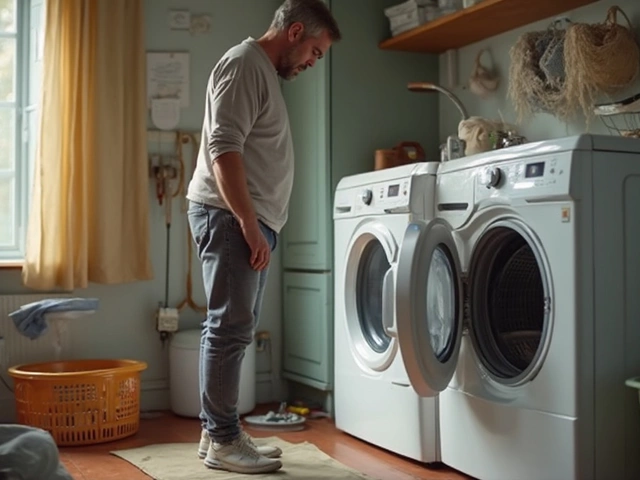
Find out why your tumble dryer isn't spinning and learn step-by-step fixes for common dryer problems. Stay informed with practical tips and real solutions.
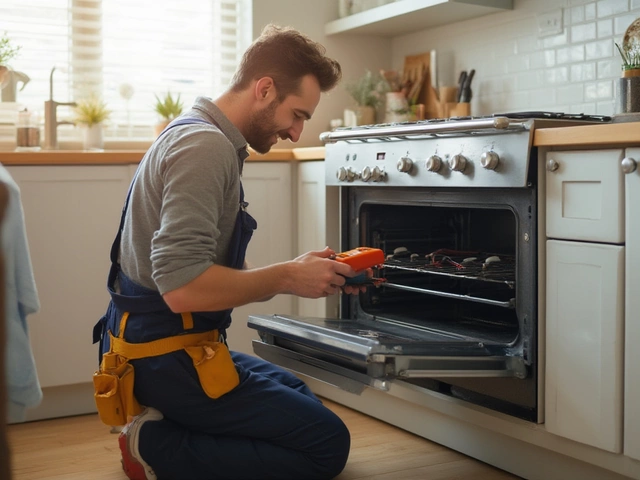
Wondering if an electrician can fix your electric oven? Get the facts, tips, and expert advice you need on diagnosing and repairing broken ovens.
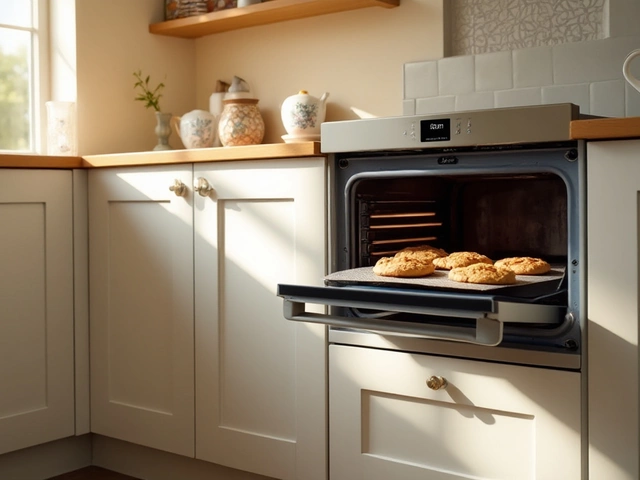
An electric oven is a staple in most kitchens, used for everything from baking cookies to roasting savory meals. Knowing how long an electric oven is expected to last can help homeowners budget and plan for replacement or repairs. This article explores the average lifespan of electric ovens, factors influencing their durability, and tips on maintenance to extend the life of the appliance. Understanding these aspects will aid in maximizing the utility and performance of your oven.
Water heaters are essential fixtures in homes, providing warm water for daily needs. Understanding their lifespan can help homeowners plan for replacements and avoid unexpected cold showers. Depending on the type and maintenance, a water heater can typically last between 8 to 12 years. Regular inspections and upkeep can potentially add years to a water heater's lifespan.