

If your oven isn’t heating, shows strange numbers, or cooks unevenly, you’re probably frustrated. The good news is many issues are easy to spot and fix without ripping the appliance apart. Below are the most common culprits and what you can test before you dial a repair service.
First, check the power supply. Even a modern electric oven needs a proper 240‑volt feed. A tripped breaker or a loose plug can halt the heating element instantly. Reset the breaker and make sure the cord is firmly seated. If the oven still stays cold, the heating element itself is the usual suspect.
Grab a multimeter and test the element for continuity. No beep means the element is broken and needs replacement. You’ll find the element at the back of the oven cavity; it looks like a long metal coil. Unscrew it, disconnect the wires, and swap in a new one – most DIY stores carry the exact model for your make.
Another frequent issue is a faulty oven thermostat or temperature sensor. The sensor is a thin metal rod stuck in the back wall. If it’s dirty or corroded, the oven may think it’s hotter than it is and shut off early. Clean it gently with a soft brush and check for any visible damage. A defective sensor usually requires professional replacement, but cleaning can solve the problem in many cases.
Before you start pulling parts, run a quick self‑diagnostic if your oven has a digital display. Many models show error codes like “F07” or “E1” when something goes wrong. Look up the code in the user manual – often it points directly to a heating element or sensor issue.
Next, inspect the oven door seal. A cracked or warped seal lets heat escape, which can make the oven think it’s not reaching the set temperature. Run a finger along the seal; if you feel gaps, replace the gasket. It’s cheap and usually a quick swap.
Finally, give the oven a thorough clean. Food spills on the bottom heating element can cause hot spots or short circuits. Remove the oven racks, scrape off debris, and wipe the interior with a mild cleaner. Let everything dry completely before turning the oven back on.
If you’ve tried these steps and the oven still won’t heat, it’s time to call an expert. At Bognor Regis Appliance Repair Experts we can test the main control board, replace elements, or fix wiring issues safely. We’ll get your oven back to baking pies and roasting chickens in no time.
Remember, safety first. Always unplug the oven before working on any internal parts, and never attempt repairs if you’re unsure about electrical work. With a few basic checks, many oven woes can be solved at home, saving you both time and money.
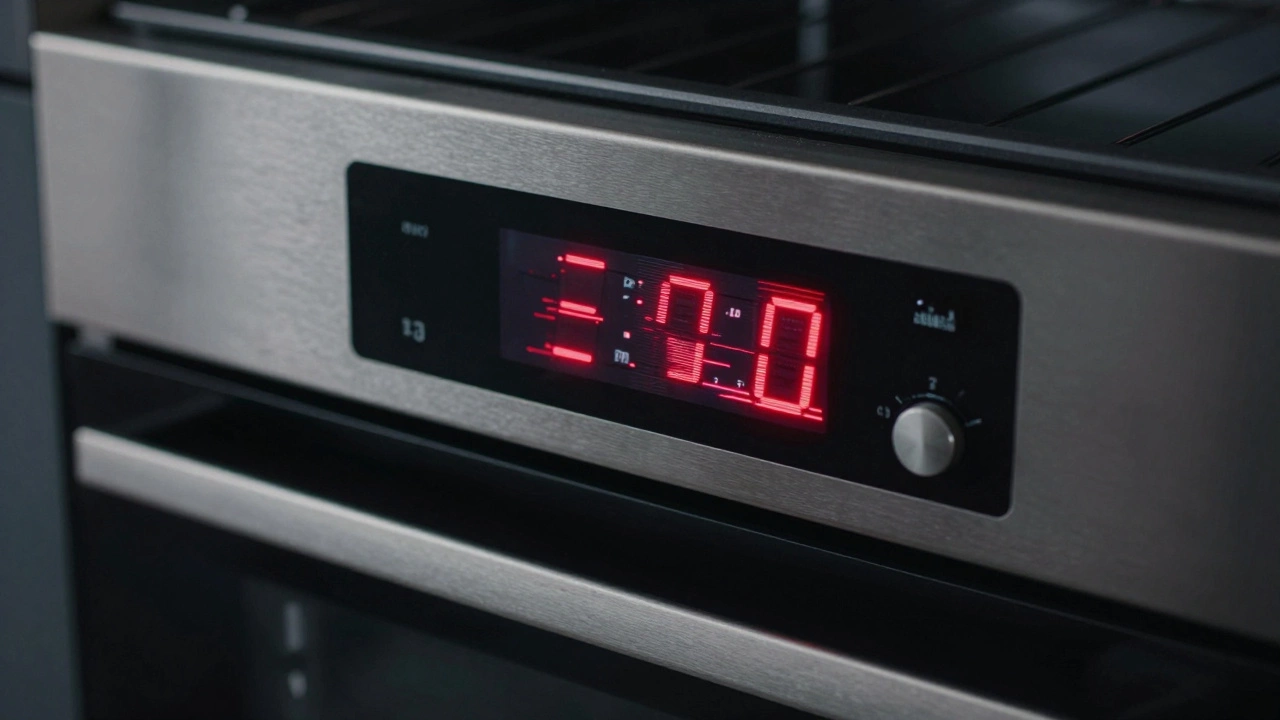
Learn how to identify a failing oven control board through specific signs like flickering displays, erratic heating, and error codes. Includes visual inspection tips, testing methods, and safety precautions for accurate diagnosis.
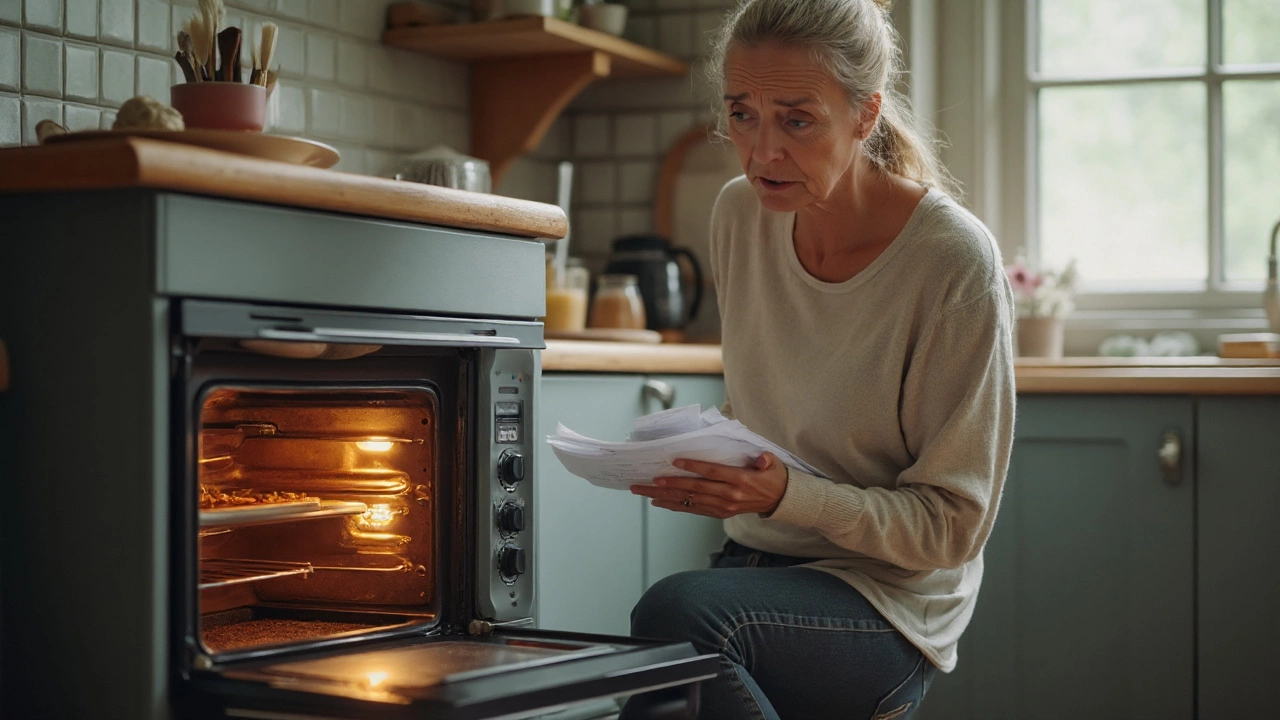
Got an electric oven that's not heating? Discover the most common issues, why they happen, and how you can fix or prevent them without calling a pro.
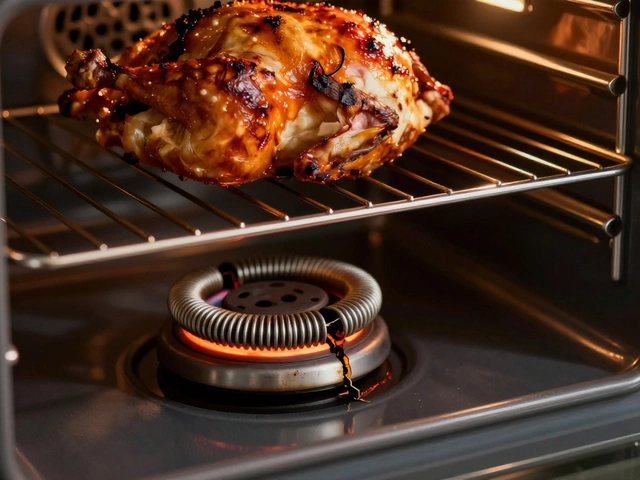
Discover if replacing your oven heating element is cost-effective compared to buying a new appliance. We break down repair costs, DIY steps, and signs of failure to help you decide.

Ever opened your freezer to find squishy ice cream or thawed food when it should be rock solid? This article digs into the real reasons your freezer refuses to stay frozen, from simple mistakes to sneaky mechanical fails. Learn how to spot common culprits, fix minor issues yourself, and know when things are actually serious. Packed with practical tips and straightforward advice, you'll get the cold facts and solutions you need. No jargon, just help you can actually use.
Deciding whether to repair or replace your oven? We break down the 2026 UK costs, the 50% rule, and hidden expenses to help you choose the most cost-effective option for your kitchen.
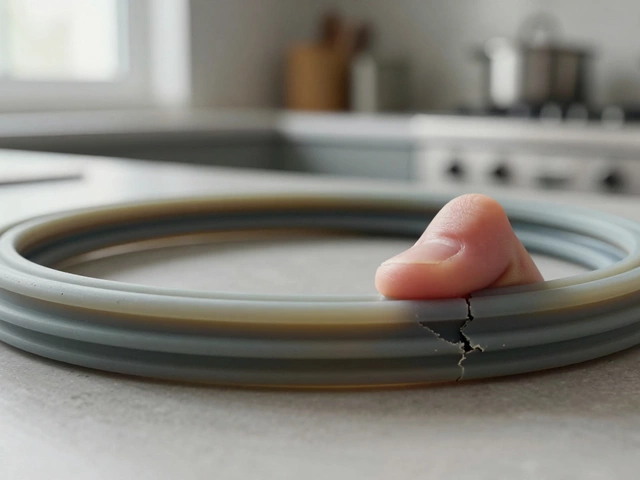
The most common pressure cooker problems are leaking steam, bad seals, clogged valves, and lid issues. Learn how to diagnose and fix them yourself before replacing your cooker.

When your fridge stops cooling, it can be a real worry, especially with all that food at risk. Before you call the repairman, there are a few steps you can try yourself to bring your refrigerator back to life. From checking the thermostat settings to cleaning coils and examining door seals, you might find that a simple DIY fix does wonders. Understanding how these appliances work can also help prevent future hassles. This guide will walk you through the essential tips and tricks to get your fridge cooling again.