

Got a cold oven that just won’t heat up? Before you panic and call a technician, take a quick look around. Most electric ovens develop easy‑fix problems that you can spot and sort yourself. A little regular care can stop those annoying breakdowns and keep your roast coming out perfect.
First, listen for clues. If the oven takes forever to reach temperature, the heating element may be failing or the thermostat could be off. Flickering or dim lights inside the cavity often mean a loose wire. Also, check for strange smells – a burnt odor usually points to a damaged element or a buildup of food residue. Write down any odd behavior; it helps you or a pro pinpoint the issue fast.
Start with a deep clean. Grease and crumbs can insulate the element and cause uneven heating. Unplug the oven, remove the racks, and use a soft cloth with mild detergent. For stubborn grime, a toothbrush works wonders on the element’s crevices. Next, inspect the element visually; a broken coil or black spots mean it needs swapping.
Replacing an element isn’t rocket science. You’ll need a screwdriver, a new element that matches your model, and an insulated glove. After unplugging, remove the two screws holding the element, pull it out, and disconnect the wiring cap. Attach the new element, screw it back in, and tighten the cap. Most homeowners finish this in under an hour and save a hefty service fee.
If the oven still won’t heat, the thermostat or the oven control board might be to blame. A quick test is to set the oven to a low temperature (like 100°C) and see if the element glows. No glow? The thermostat may be dead. You can buy a replacement thermostat and swap it the same way you changed the element – just note the wiring order.
Safety first: never work on an oven while it’s plugged in. If you see any frayed cords, cracked insulation, or you’re unsure about wiring, stop and call a qualified electrician. Even though many electric ovens can be fixed by DIYers, an electrician knows the proper codes and can avoid fire hazards.
Regular maintenance saves money and headaches. Schedule a quick check‑up every six months: clean the interior, wipe the door seal, and give the element a visual once‑over. This habit catches wear early, so you won’t be left with a cold oven right before a big dinner.
When you do need a pro, having a clear description of the symptoms speeds up the service call. Mention the temperature you set, how long it took to heat, and any odd smells or noises. Technicians can then bring the right parts – like a new element or thermostat – and fix the problem on the first visit.

Got an electric oven that's not heating? Discover the most common issues, why they happen, and how you can fix or prevent them without calling a pro.

If your extractor fan has suddenly stopped working, it's not just annoying but can lead to bigger problems like excess moisture and lingering odors. This article will delve into common issues with extractor fans and provide practical solutions you can try at home. Learn about potential causes, from power supply problems to sensor malfunctions, along with straightforward fixes. Some tips might even save you from calling in a professional. Get your fan back up and running with ease!

Navigating the cost of a new boiler can be confusing. This guide dives into typical pricing, key considerations for your budget, and how to make the best decision for your home. We'll explore average costs, the impact of brands and models, and provide tips for saving money. Get the information you need to keep your home warm without breaking the bank.
Discover how long electric hobs last, from ceramic to induction models. Learn signs of failure, repair vs. replace costs, and tips to extend lifespan.
Determining when your hot water heater needs replacement isn't always straightforward. This guide explores key signs such as irregular water temperatures, strange noises, and age that might indicate it's time to get a new unit. Understanding these signs not only ensures a reliable hot water supply but also prevents potential damage and higher energy bills. Additionally, we discuss some tips for maintenance to prolong the life of your current system.
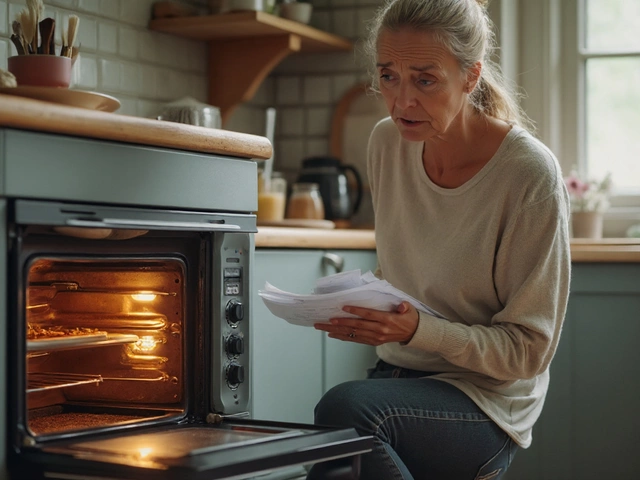
Got an electric oven that's not heating? Discover the most common issues, why they happen, and how you can fix or prevent them without calling a pro.