

When dealing with Electric Hob Troubleshooting, the systematic process of finding and fixing faults in electric cooking appliances. Also known as electric stove repair, it helps keep your kitchen running smoothly without a pricey replacement. Electric hob element, the heating coil that turns electricity into heat for each burner is the most frequent culprit, while a hob safety fuse, a built‑in breaker that stops power when overheating is detected often signals deeper electrical problems. Electric hob troubleshooting encompasses checking power supply, testing elements with a multimeter, and inspecting the control board for burnt traces. It requires basic tools – a screwdriver, a multimeter, and a flashlight – and a safe, methodical approach. If the element fails the continuity test, replace it; if the fuse keeps blowing, the issue may lie in the wiring or the thermostat, which calls for professional help.
Understanding how each component interacts makes diagnosing faster. The hob burner, the visible cooking zone that houses the element and safety mechanisms relies on a stable voltage, so a loose connection at the terminal can cause intermittent heating. The control board, the electronic module that manages temperature settings and power distribution interprets your knob adjustments and triggers the right element. Faulty relays in the board often mimic a burnt element, leading to confusion during DIY checks. Power supply issues, such as a tripped circuit breaker or a faulty plug, influence the entire system; always verify the outlet before opening the hob. Safety devices like the thermal cut‑out sensor protect against overheating; a triggered sensor will shut down the hob until it cools, which feels like a random failure but is actually a safety feature. Knowing these relationships – the burner needs the element, the element needs power, and the control board orchestrates both – lets you pinpoint the problem area with fewer guesswork steps.
Now that you’ve seen how the main parts fit together and what tools you’ll need, you’re ready to apply these checks to real‑world situations. Below you’ll find a curated collection of articles that walk through specific symptoms – from a single burner that won’t heat to a whole hob that’s dead – and offer step‑by‑step fixes, cost estimates, and advice on when to call a qualified technician. Use this guide as your troubleshooting checklist, and you’ll save time, money, and the hassle of a kitchen that just won’t heat up.

Discover if electric hobs can be fixed, cost breakdowns, DIY steps, safety tips, and when to replace. A practical guide for UK homeowners.

Experiencing no hot water in the shower can be frustrating, especially on cold mornings. This article provides practical solutions to diagnose and resolve common issues with your water heating system. From checking simple things like the thermostat to identifying more complex issues like a faulty heating element, you'll learn how to get back to enjoying a warm shower.
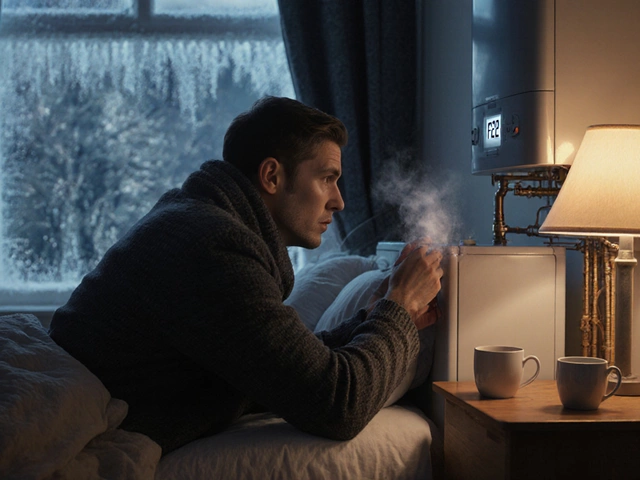
If your boiler stops working, know who to call and what to do immediately. This guide covers emergency steps, how to find a Gas Safe engineer, repair costs, and how to prevent future breakdowns in the UK.
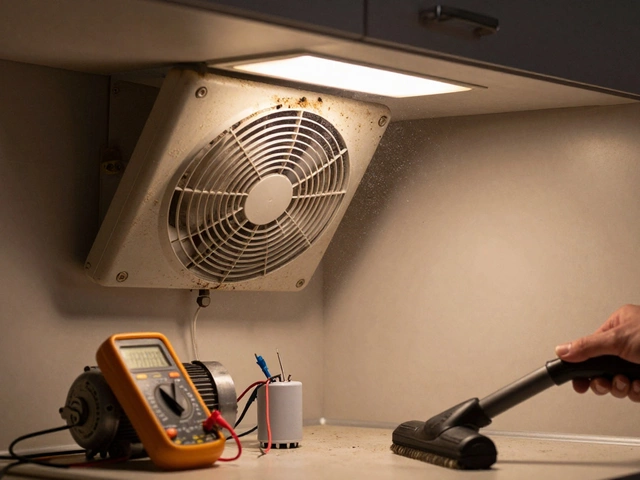
If your extractor fan suddenly stopped working, check the power, capacitor, and airflow first. Most issues are fixable without replacing the unit. Learn how to diagnose and repair common fan failures safely and affordably.
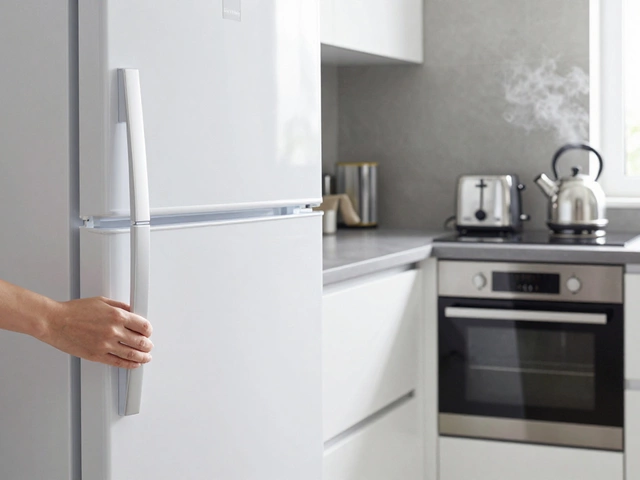
An appliance is a device designed to perform a specific household task like cooking, cleaning, or cooling. It’s not just anything that plugs in - it must replace manual labor and be used regularly at home. Understanding this helps you find the right repair service and know what’s covered under warranties.

Learn the proper term for someone who fixes ovens, how they work, skills they need, and why hiring a pro is a smart move. Helpful tips inside.