

If your electric hob stops heating, flickers, or shows error codes, you’re not alone. Most problems come from a few simple places – a burnt‑out element, a faulty switch, loose wiring, or a cracked ceramic surface. The good news? You can often sort these out yourself without calling a technician, saving time and money.
First, make sure the hob is plugged in and the circuit breaker hasn’t tripped. A quick reset can solve a whole lot of hiccups. Next, look at the heating elements. If one burner is cold while the others work, the element is probably fried. You’ll usually see a blackened spot or a faint smell of burnt metal.
Another common issue is a faulty control switch. When you turn the knob and nothing happens, the switch may have lost contact. Simple continuity testing with a multimeter can confirm this. If the switch is bad, replacing it is straightforward – just note the wiring diagram, snap the old switch out, and plug the new one in.
Uneven heating can also be caused by a dirty or cracked ceramic glass top. Food residue can act like an insulator, preventing heat from reaching the pan. Clean the surface with a non‑abrasive cleaner and a soft cloth. If you spot cracks, replace the glass panel; driving a cracked top can be dangerous.
When you need a new element, turn off the power at the mains, then remove the hob’s lower panel – most models use a few screws or clips. Locate the faulty element; it’s usually held by a metal bracket and connected to a terminal block.
Unscrew the bracket, disconnect the wires (note which goes where or take a photo), and pull the element out. Slide the new element into the same slot, re‑attach the wires, and tighten the bracket. Re‑assemble the hob, restore power, and test each burner. You should feel heat within a minute.
While you’re inside, inspect the wiring for signs of wear or charring. If any cables look damaged, replace them – a short can cause the whole hob to stop working and is a safety hazard.
After the fix, give the hob a quick run‑through: turn each burner on, let it heat for a few minutes, and watch for any flickering or odd smells. If everything looks good, you’re done.
When to call a pro? If you find burnt wires, persistent error codes, or the hob still won’t power up after you’ve checked the breaker and connections, it’s safest to contact a qualified appliance repair service. Dealing with high voltage can be risky, and a professional can diagnose hidden faults quickly.
Regular maintenance helps avoid most problems. Wipe spills immediately, avoid dragging heavy pots across the surface, and give the hob a deep clean monthly with a non‑abrasive cleaner. A quick visual check of the elements and switches each year can spot wear before it fails.
In short, most electric hob issues stem from three culprits – elements, switches, or cleanliness. By following a simple safety checklist, testing each part, and knowing when to replace rather than repair, you can keep your hob cooking smoothly for years. And if anything feels beyond your comfort zone, a trusted local repair expert is just a phone call away.
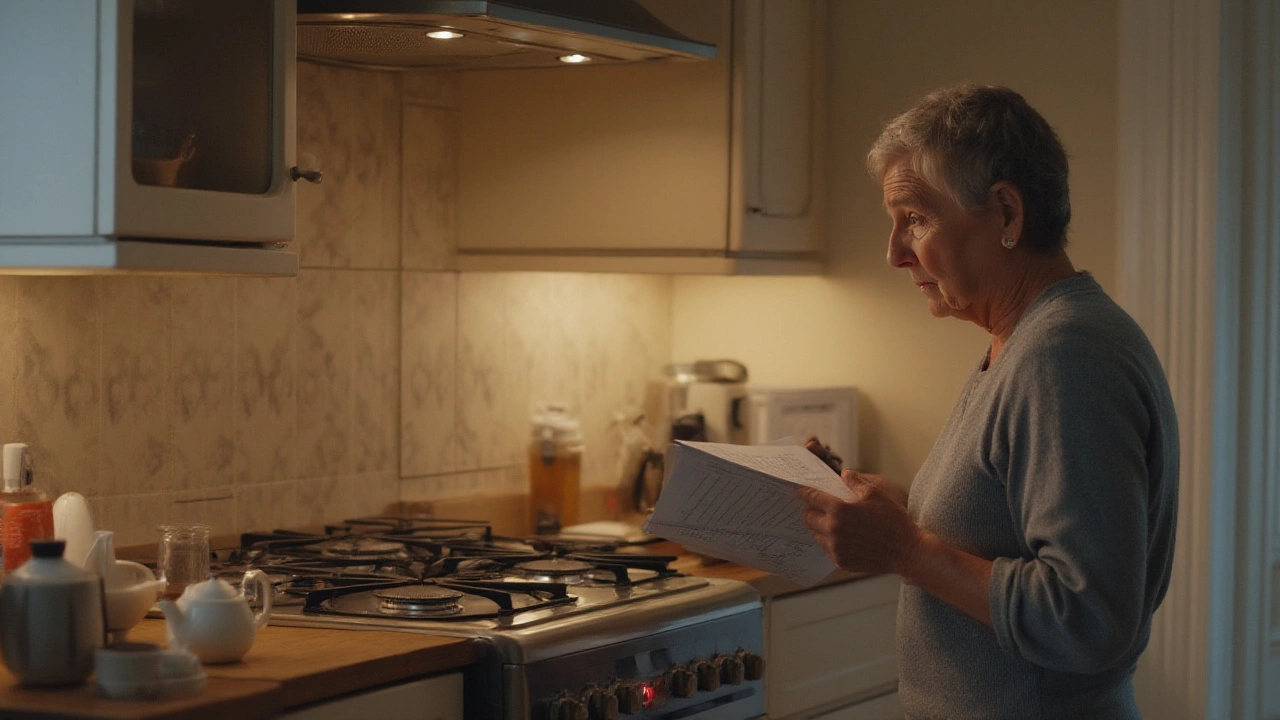
Spotting the two most common electric stove problems can make repairs easier. Learn how to catch signs like faulty burners and control issues with clear, helpful steps.

Ready to buy a new dishwasher? Check this guide for 2025's most unreliable dishwasher brands, stories you won't believe, and tested buying tips no one else will give you.
An appliance is a device designed to perform a specific household task like cooking, cleaning, or cooling. It’s not just anything that plugs in - it must replace manual labor and be used regularly at home. Understanding this helps you find the right repair service and know what’s covered under warranties.

Choosing a cooker that stands the test of time can be daunting amid a sea of brands promising longevity. This article delves into which brands have stood out for their durability and reliability. By exploring user experiences and industry insights, it aims to guide you in the right direction. Discover how some brands maintain their reputation for endurance and what to consider when selecting your next appliance.
Find out how much boiler repair costs in 2025, what factors affect the price, typical price ranges, and tips to get fair quotes and save money.

Thinking about ditching your gas appliances? This article breaks down the real pros and cons of keeping or replacing things like your gas stove, water heater, or furnace. Learn how safety, repair costs, and future-proofing your home play into this decision. There are lots of myths out there and we’ll sort out the facts. You'll also pick up practical tips on making the best choice for your budget and home. Let's cut through the noise and find out what really matters for your gas appliances.