

If your dryer is making weird noises, taking forever to dry, or just won’t start, you’re not alone. Most tumble dryers develop a snag after a few years of use, but many of those hiccups are easy to diagnose and fix yourself. Below are the most common dryer problems, what causes them, and step‑by‑step checks you can do before you dial a repair service.
Cold clothes coming out of a dryer is a classic sign of a heating issue. The first thing to check is the power supply – a dryer needs a 240‑volt connection in the UK. Make sure the plug is firmly in the socket and the circuit breaker hasn’t tripped. If power is good, the next suspect is the heating element. Pull the dryer out, unplug it, and locate the element (usually a long coil at the back). Look for any visible breaks or burnt spots. A multimeter set to resistance can confirm if the element is still good – a reading of infinite resistance means it’s broken and needs replacing.
When the dryer won’t start at all, the door switch is often to blame. The dryer won’t run if the door isn’t fully closed or if the latch sensor is stuck. Open the door, press the switch manually, and listen for a click. No click? The switch may need cleaning or replacement. Another common culprit is the thermal fuse – a safety device that shuts the dryer down if it overheats. Locate the fuse (usually near the exhaust vent), test it with a multimeter, and replace it if it shows no continuity.
Sometimes the motor itself is the issue. A humming sound with no drum movement points to a seized motor or a broken belt. Inspect the belt for cracks or fraying; a worn belt will slip and prevent the drum from turning. Replacing a belt is a quick DIY job – just follow the manufacturer’s guide, wrap the new belt around the drum, motor pulley, and tensioner, and you’re set.
If clothes are still damp after the cycle, the vent could be clogged. Lint builds up not only in the lint trap but also in the exhaust hose and vent outside. Disconnect the dryer, pull the vent hose away, and clear any lint with a vacuum or a long brush. Also check the lint filter – wash it with warm, soapy water regularly to keep airflow optimal.
Another hidden cause is the moisture sensor. Modern dryers have metal bars inside the drum that detect dampness. If they’re coated in residue, the dryer may think clothes are dry and stop early. Wipe the bars with a soft cloth and a bit of rubbing alcohol to restore proper sensing.
Most heating, start‑up, and vent issues can be handled with basic tools, but there are times you’ll need a professional. If you’ve tested the heating element, thermal fuse, and motor and everything checks out, the problem may be the control board or internal wiring – both require a qualified technician. Also, any gas‑fuel dryer should only be serviced by someone with the right certification.
Remember, safety comes first. Always unplug the dryer before you start any inspection, and never force a broken part. A quick routine – clean lint, check the power, test the element, and clear the vent – will keep most dryers running smoothly for years.
Got a dryer that’s still acting up after these steps? It might be time to call Bognor Regis Appliance Repair Experts. Our technicians know the ins and outs of tumble dryers and can get your laundry back on track without a long wait.
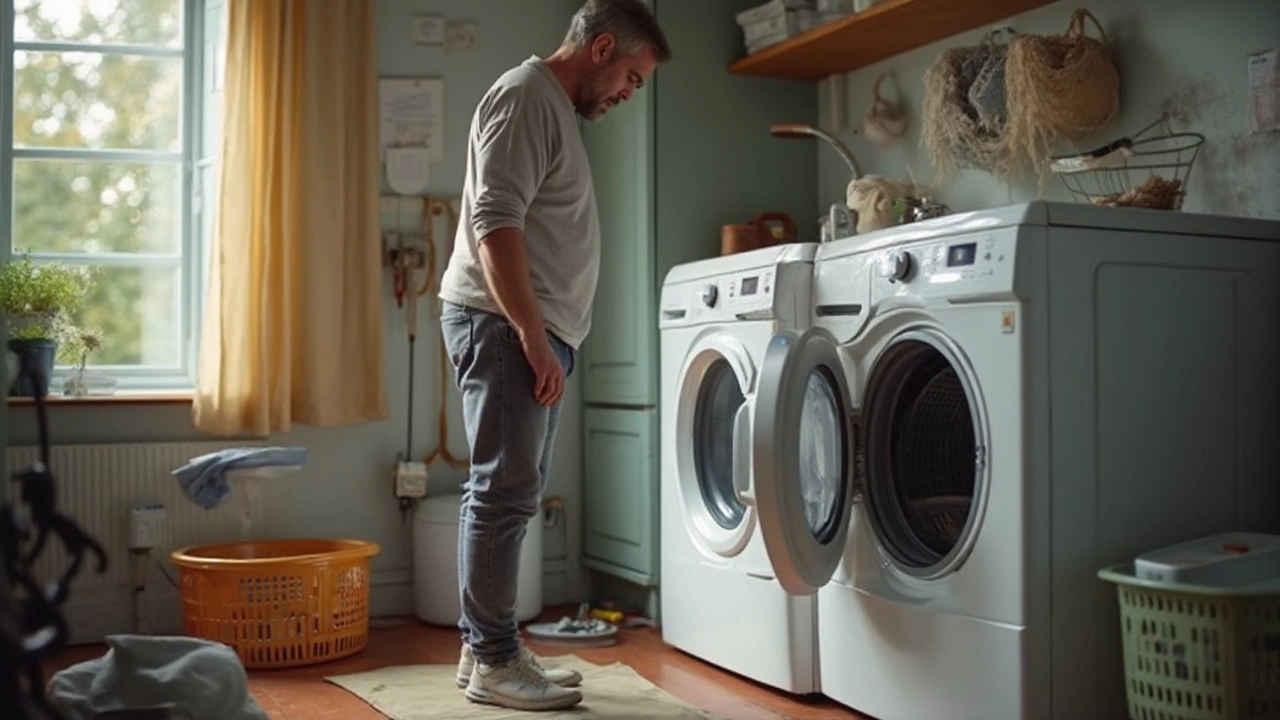
Find out why your tumble dryer isn't spinning and learn step-by-step fixes for common dryer problems. Stay informed with practical tips and real solutions.

Dryers are workhorses in the laundry room, but they aren't immune to problems. This article breaks down the most common issues found in tumble dryers, from weird noises to clothes that just won't get dry. You'll find straightforward explanations for why these problems happen and learn some practical tips to fix or prevent them. Plus, get the inside scoop on when you should call for a pro. Save money, avoid headaches, and keep your dryer running smoother for longer.

Thinking about fixing your 7 year old refrigerator? This article breaks down the real costs, reliability, and what you should watch for before you pay for repairs. You’ll find clear tips on when it’s smarter to repair or replace, how much you’ll likely spend, and some key things most people forget to check. Get the real scoop from an expert so you don’t waste time or money.

Get to know the four appliances that no modern home can do without, why they matter, and how to keep them working smoothly. Discover easy maintenance tips, signs of trouble, and smart ways to save money on repairs. If you want your home to run without a hitch, paying attention to these basics is a must. This article makes home appliance care straightforward and stress-free. No fluff, just practical advice you can actually use.
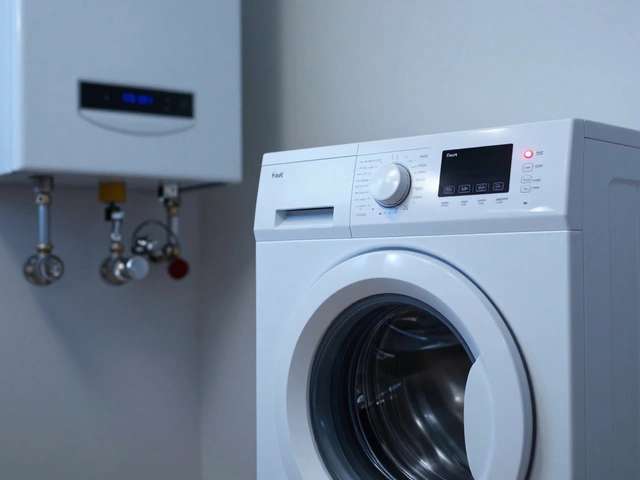
Find out if your washing machine works when the boiler is broken. Learn about cold water cycles, potential errors, and tips for UK homes.

Microwave ovens are essential appliances due to their convenience in heating food. However, they can encounter several problems over time. The most frequent cause of microwave failure is a faulty door switch. This article discusses common microwave problems, how to identify them, and offers practical guidance on how to handle these issues.

Boiler servicing is an essential aspect of home maintenance that ensures safety and efficiency. While it might seem tempting for homeowners to attempt servicing their own boilers, it's crucial to understand the complexities and risks involved. This article explores whether boiler maintenance can be a DIY project, providing key tips and insights. It offers guidance on what aspects are safe to handle on your own and when to call in a professional.