

When you buy a new dryer, a home appliance designed to remove moisture from clothes using heat and airflow. Also known as a clothes dryer, it’s one of the most used machines in the house—running almost daily during winter, laundry day after laundry day. Most people assume it’ll last forever, but the truth? The average dryer life expectancy is between 10 and 13 years. After that, breakdowns become more frequent, repair costs climb, and energy bills start creeping up. If yours is pushing 10 years old and acting up, you’re not imagining things—you’re hitting the end of its natural run.
What kills a dryer faster? Dirty lint filters, overloading, and skipping maintenance. A clogged vent doesn’t just slow drying—it forces the motor and heating element to work harder, burning them out early. You wouldn’t drive a car without changing the oil, so why treat your dryer any different? Regular cleaning of the vent hose and filter can easily add 3–5 extra years to its life. And if you notice strange noises, longer cycles, or the drum won’t spin, those aren’t just annoyances—they’re warning signs your dryer is nearing its limit. Dryer repair might make sense for a 7-year-old unit, but if it’s 15 years old and the heating element just died, you’re throwing money into a sinking ship.
It’s not just about age—it’s about cost versus value. Replacing a broken drum or motor can cost half as much as a new machine. But if your dryer uses twice the electricity of a modern model, that savings evaporates over time. New dryers with moisture sensors and better insulation cut energy use by up to 30%. So when you’re weighing repair vs. replacement, don’t just look at the price tag—look at the long-term cost. And if you’re in Bognor Regis and your dryer’s acting up, chances are a local technician can tell you in 10 minutes whether it’s worth fixing or if it’s time to move on.
Below, you’ll find real-world guides on when to fix or replace aging appliances—like ovens, water heaters, and washing machines—that follow the same patterns as dryers. You’ll see cost breakdowns, common failure points, and honest advice from people who’ve been there. No fluff. Just what you need to decide without getting ripped off.
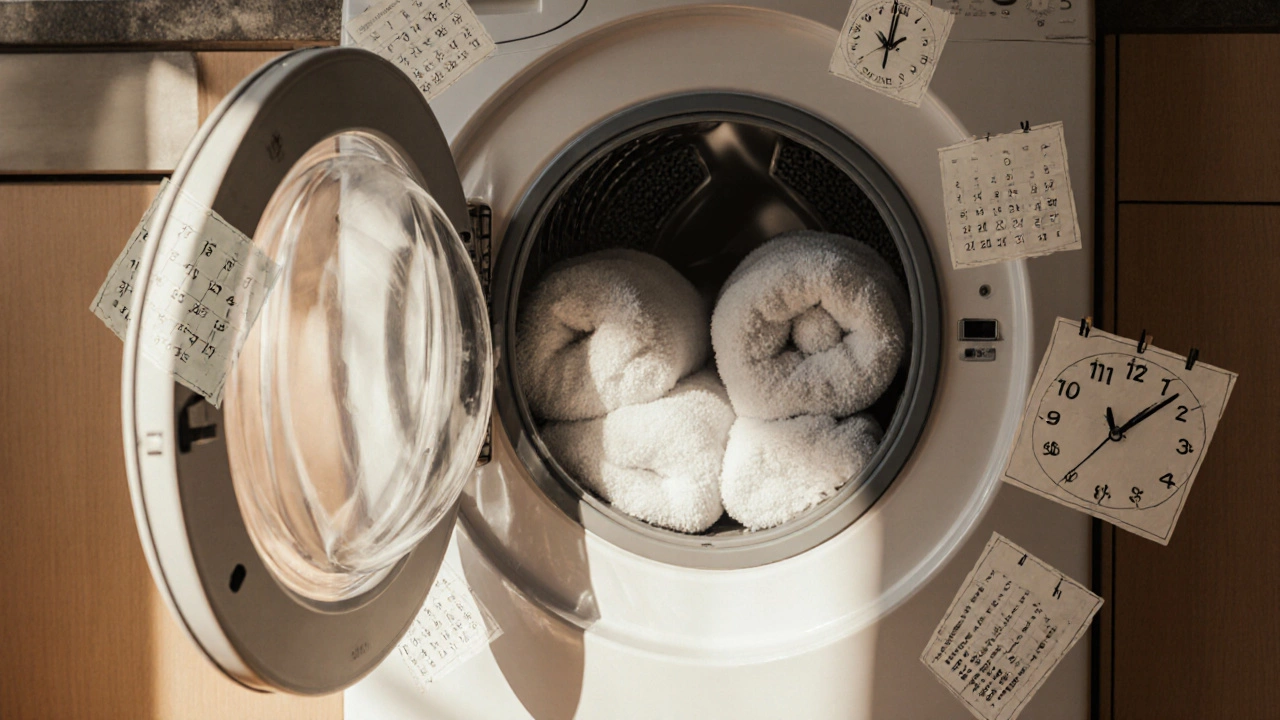
Learn how long vented, condenser and heat‑pump tumble dryers typically last, what factors affect their lifespan, and how regular maintenance can add years.

Replacing the anode rod in a water heater can extend its lifespan and prevent costly repairs. This article breaks down the cost of replacement, including materials and labor, and discusses why it's a crucial part of water heater maintenance. Discover how often anode rods should be checked and what signs indicate it's time for a replacement. Whether you DIY or hire a pro, understanding these factors can save you money and stress.

Microwaves seem invincible until they suddenly stop working—usually right when you're hungry. This article tackles what actually breaks down most often in a microwave, from simple blown fuses to tricky magnetrons. You'll learn the telltale signs for each failure, why these things wear out, and how to figure out if it’s something you can fix yourself. Plus, there are practical tips on keeping your microwave running smoother for longer. Perfect for anyone tired of cold leftovers and expensive repair bills.
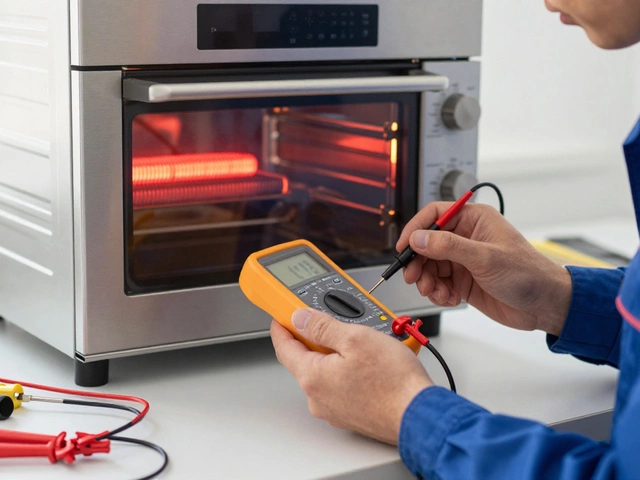
Learn the real cost to fix a broken oven, from common repairs like heating elements and thermostats to when it's better to replace. Get pricing, tips, and expert advice for 2026.
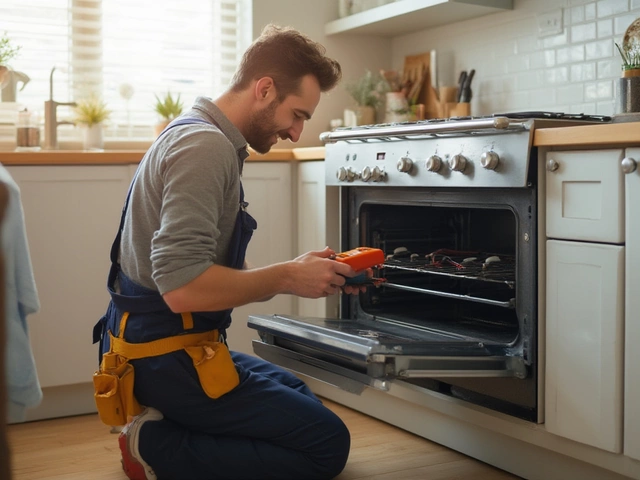
Wondering if an electrician can fix your electric oven? Get the facts, tips, and expert advice you need on diagnosing and repairing broken ovens.
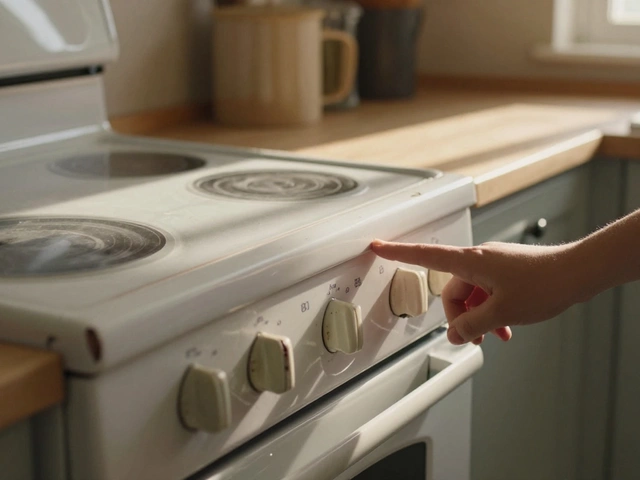
Deciding whether to fix an old stove? Learn how to weigh repair costs against buying a new unit, factoring in safety, energy bills, and part availability for a 15-year-old appliance.