

Your boiler works hard all winter, but a little care from you can make it last longer and run smoother. You don’t need a degree in engineering – just a few everyday tools and a bit of time. Below are the most useful checks you can do yourself, plus clear signs that it’s time to call an expert.
Start with the pressure gauge. Most boilers show a green window with a number between 1 and 2 bar when the system is cold. If the needle is low, open the filling loop until it reaches the right level. Too high pressure can cause leaks, so don’t over‑fill.
Next, bleed your radiators. Cold spots mean trapped air, which makes the boiler work harder. Use a radiator key, turn the valve slightly until you hear a hiss, then close it. This quick step restores even heat and cuts down on fuel use.
Give the exterior a wipe‑down. Dust on the heat‑exchanger fins reduces efficiency. A soft brush or a vacuum with a narrow nozzle clears debris without damaging parts. While you’re at it, check for rust, corrosion, or any wet spots that could indicate a leak.
Inspect the condensate pipe (if you have a condensing boiler). It should slope away from the house and stay clear of blockages. A simple flow test—run hot water and watch the pipe – will tell you if anything’s stuck.
If you notice strange noises like banging or whistling, that’s a red flag. It could mean a pump problem or excess air that needs a technician’s eye. Same with any smells of gas – turn off the boiler, ventilate the room, and call a Gas Safe registered engineer immediately.
Annual servicing is a must, even if you do all the DIY checks. A qualified pro will test the combustion, check the flame, and clean internal components you can’t safely reach. Our post “Boiler Service Cost Guide 2025” breaks down pricing so you know what to expect.
Finally, if the boiler refuses to fire up after you’ve checked pressure and the thermostat, it’s time for professional help. Trying to force a start can damage electrical parts or the gas valve.
Doing these simple steps each month keeps your boiler humming, saves money on energy bills, and reduces the chance of an emergency breakdown. For deeper insights, read our guides on “Can I Repair My Boiler Myself?” and “Worried About Your Boiler? Signs, Risks, and When to Call an Expert.” Happy heating!

Thinking about handling your own boiler service? Get the truth about what you can and can’t do, why safety matters, and which tasks are okay for homeowners. This article covers legal restrictions, common mistakes to avoid, and practical tips for everyday boiler care. Learn how to spot problems early and when it's really time to call a pro. Save yourself headaches, money, and maybe even a major disaster by knowing the facts.

Choosing a cooker that stands the test of time can be daunting amid a sea of brands promising longevity. This article delves into which brands have stood out for their durability and reliability. By exploring user experiences and industry insights, it aims to guide you in the right direction. Discover how some brands maintain their reputation for endurance and what to consider when selecting your next appliance.

Extractor fan acting up? If you’re wondering who handles extractor fan replacement, this article breaks it down. Learn the difference between calling a pro and tackling it yourself, get tips on when to fix or swap out a fan, and find out what skills and tools make the job smooth. Real, practical advice from someone who's been around finicky fans and quick fixes. Don’t let poor ventilation keep bothering you—get the facts and decide what works best.

Struggling with a kitchen extractor fan that's lost its power? This guide explains how to find and fix common blockages that cause bad smells and poor airflow. Learn step-by-step how to safely clean your fan and make it work like new, plus get handy maintenance tips to stop future clogs. We break down the process so you don't need tools or special skills. Get your kitchen back to normal without calling in an expert.
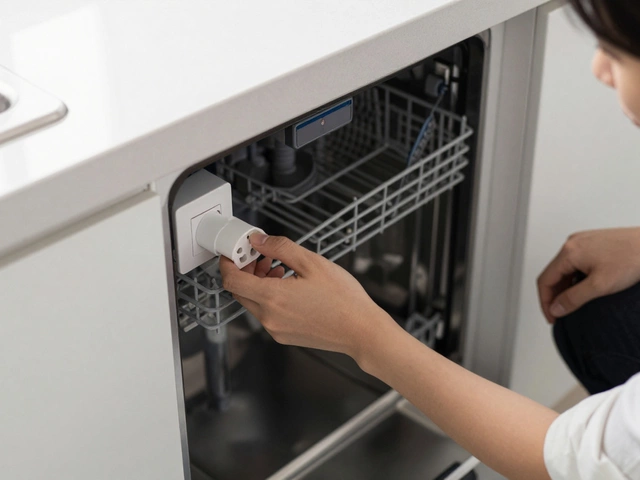
Learn how to reset your dishwasher using hard resets and brand-specific button codes. Quick fixes for Bosch, Samsung, Whirlpool, and more to clear error codes.
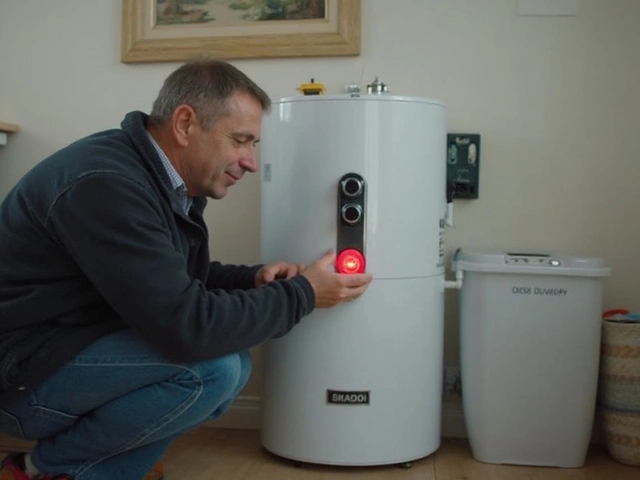
Ever wondered why you end up pushing that red reset button on your water heater over and over? This article digs into exactly what the reset button does, why it keeps tripping, and what can go wrong if you keep hitting it. Get clear answers about hidden water heater issues and learn simple steps to protect your system—and your wallet. We’ll walk you through warning signs, smart troubleshooting tips, and when it’s time to call a pro. No tech jargon, just straight talk for anyone tired of cold showers.