

Paying for an unexpected fix is never fun. Most of the time the bill could have been a lot lower if you’d caught the issue early. In this guide we’ll walk through the common reasons repairs get pricey, show you quick checks you can do yourself, and let you know when it’s smart to call a pro.
First off, waiting until something breaks completely means the damage often spreads. A small leak in a washing machine can rust internal bearings, and a few weeks of a faulty oven element can burn out the thermostat. Those extra parts cost more, and the labour time rises.
Second, some appliances have hidden components that are pricey to replace. Heat‑pump condensers, boiler gas valves, and fridge compressors aren’t cheap, and they usually need a qualified technician. If you ignore early warning signs you’ll end up swapping the whole unit instead of fixing a single part.
Third, lack of routine maintenance adds up. A water heater that hasn’t been flushed gathers sediment, forcing it to work harder and eventually fail. A kitchen extractor fan with clogged filters makes the motor overheat, leading to a motor replacement. Simple upkeep can keep the price tag low.
Now, let’s talk about what you can do right now. Start with a quick visual inspection each month. Look for any water pooling around appliances, listen for unusual noises, and check that doors and lids seal properly. These small steps catch problems before they snowball.
For electric ovens that won’t heat, unplug the unit and remove the back panel. A broken heating element is often the culprit and can be swapped with a basic screwdriver set. Make sure the new element matches the model number – this keeps the cost down.
If your fridge light is on but it isn’t cooling, the evaporator fan might be blocked or the condenser coils need cleaning. Use a vacuum brush to clear dust from the coils, and verify the fan spins freely. A clean coil can improve efficiency and avoid a full compressor replacement.
Dishwashers that keep resetting usually have a faulty thermostat or a blocked spray arm. Remove the spray arm, rinse it under running water, and check the thermostat for corrosion. Replacing a cheap thermostat is often cheaper than buying a new machine.
Heat pumps that stop blowing warm air often suffer from dirty filters or a frozen outdoor unit. Turn the system off, melt any ice with a hair dryer on low, and replace the indoor filter. This quick fix can restore performance without calling a specialist.
Finally, remember to flush your water heater at least once a year. Hook a garden hose to the drain valve, let the water run until it’s clear, then refill. This removes sediment that causes overheating and costly part failures.
If any of these steps feel out of your comfort zone, or if you spot major damage like cracked pipes or burnt wiring, it’s time to call the experts. Bognor Regis Appliance Repair Experts can diagnose the issue fast, offer transparent pricing, and fix most problems without a full replacement. Getting them involved early often saves you a lot of cash in the long run.

Discover what makes some refrigerator repairs more costly than others. From compressor issues to electronic faults, fixing these problems can hit your wallet hard. We'll uncover why some are pricier than others and offer tips on how to avoid them. Learn about preventive measures to save you money in the long run. This guide is a must-read for every fridge owner looking to keep repair costs at bay.
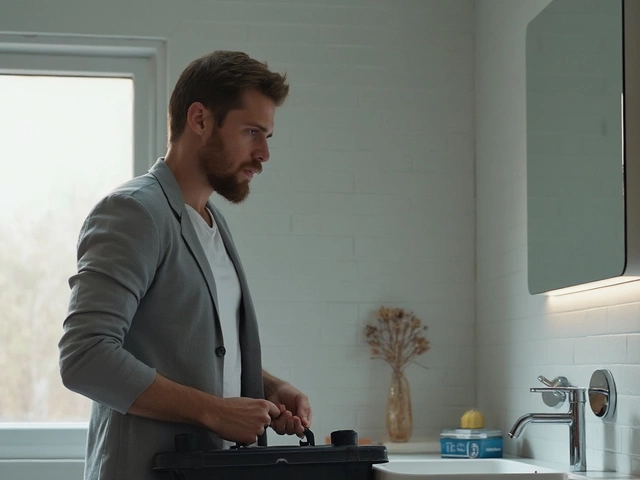
Discover who to call when your bathroom extractor fan starts acting up. This article explores whether to hire a professional electrician or tackle it yourself, highlighting common issues and maintenance tips. You'll also learn why keeping your fan in top shape matters more than you might think.

Looking for the right person to service your boiler? Here’s what you need to know about boiler service, finding qualified engineers, costs, and why it matters in 2025.
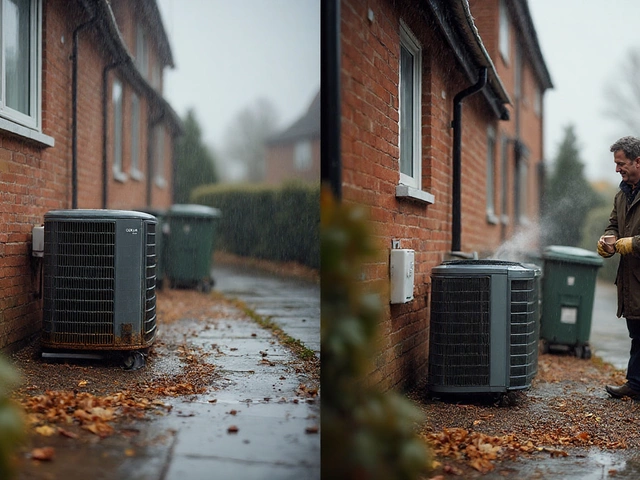
Real UK lifespan for air vs ground source heat pumps, what shortens or extends life, maintenance steps, and a simple repair-or-replace guide you can actually use.

Fridge warm but the light works? Find out why your refrigerator isn’t cooling, common causes, fixes, and when to call in an expert. Easy troubleshooting tips inside.

Boilers, integral to any home heating system, don't last forever. Understanding their lifespan can help you plan timely maintenance and replacements to ensure efficient heating. In this article, we explore how long you can expect your boiler to serve you, what affects its longevity, and how regular care can make a difference. By understanding these aspects, homeowners can make informed decisions regarding their heating needs and avoid unexpected failures.