

If your cooker has stopped heating, making weird noises, or just won’t turn on, you’re probably wondering whether to call a tech or roll up your sleeves. The good news? Most cooker glitches are easy to spot and often cheap to fix. Below we break down the typical faults, what they cost, and when a professional is worth the call.
First up, know the tell‑tale signs. A burner that flickers or never ignites usually means a clogged pilot, a faulty ignition switch, or a worn‑out heating element. If the oven takes forever to warm up, the thermostat may be mis‑reading temperature or the heating coil could be cracked. Strange smells often point to a build‑up of food debris or a gas leak – the latter needs immediate professional attention.
Another frequent issue is uneven heating. This is common with electric hobs where one side works fine and the other stays cold. In most cases, the element has burned out or the connection is loose. Flip the breaker first; a tripped fuse can masquerade as a dead burner.
Simple things you can do yourself include cleaning the burner ports with a pin, checking the gas supply knob, and resetting the oven’s thermal fuse (usually a small, square piece near the back panel). You’ll need a screwdriver, a multimeter for continuity tests, and a safety glove. If the oven still won’t heat after resetting the fuse, it’s time to test the heating element with your multimeter. No continuity? Replace the element – it’s a cheap part, often under £30.
When the problem involves gas, wiring, or any component that’s sealed inside the cooker’s metal housing, call a qualified engineer. Bognor Regis Appliance Repair Experts have Gas Safe certification, so you won’t risk voiding warranties or breaching safety regulations.
Cost‑wise, a basic element swap runs between £70‑£120 including labour, while a full cooker overhaul can climb to £350‑£500 depending on age and model. If your cooker is older than 10‑12 years, compare the repair quote against a new unit’s price. Often a modern, energy‑efficient cooker will save you money on electricity or gas bills in the long run.
Before you decide, ask yourself three quick questions: Is the fault isolated to one part or the whole unit? How old is the appliance? And can you afford the repair versus a replacement? Answering these helps you avoid spending on a fix that won’t extend the cooker’s life much.
Finally, regular maintenance can stop many breakdowns. Wipe down burners after each use, descale the oven’s interior every few months, and run a quick self‑diagnostic (many modern cookers have a ‘test’ button) yearly. A little upkeep saves you from costly call‑outs later.
Whether you choose a DIY route or rely on Bognor Regis’ trusted technicians, knowing the basics of cooker repair empowers you to make smarter decisions and keep your kitchen humming. Got a specific issue? Jot it down, check the basic steps above, and if it still won’t cooperate, give the experts a call.
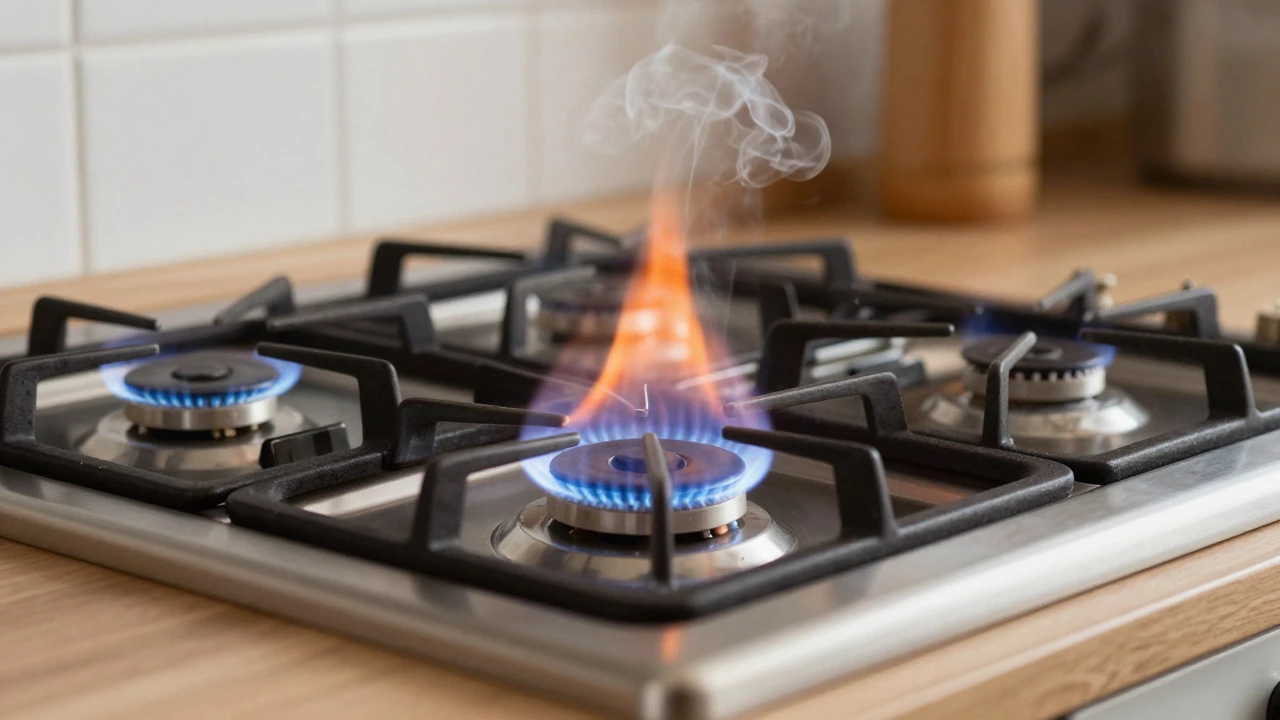
A short summary for the article based on the topic. You need to write a summary with up to 5 sentences or 160 symbols that covers the provided topic. Try to write the most human text.

Curious how to fix a broken cooker? Explore hands-on steps, common faults, safety tips, and tricks to get your appliance working again—no jargon, just practical advice.

Wondering if you should throw out your seven-year-old oven or give it a second chance? This article breaks down when it makes sense to fix an older oven, what problems are easy or tough to repair, and how much money you might actually save. Get straight answers on costs, lifespan, and smart ways to keep your oven running. No fluff—just helpful facts and real advice you can use.

Wondering when to replace your cooker? This article breaks down the real signs that your cooker is on its last legs, what affects its lifespan, and how to keep it running safely for longer. Get practical tips straight from real-life experience and find out how to spot issues before they turn expensive. Whether you use gas or electric, knowing when to repair or replace makes all the difference in your kitchen.

If your cooker suddenly stopped working, it might be due to a range of reasons from electrical issues to simple user errors. Understanding the root cause is key to fixing the problem efficiently. In this article, we explore common reasons why cookers fail and offer practical troubleshooting tips to get your appliance working again. From checking the power supply to examining electrical components, we cover it all. Get your cooker back up and running with our straightforward guide.

Cookers are an essential part of any kitchen, and knowing their average lifespan can help in planning for replacements and repairs. On average, cookers last between 10 to 15 years depending on several factors like usage, maintenance, and brand quality. Regular maintenance and timely repairs can extend the life of your cooker significantly. Understanding the warning signs of wear and tear and knowing when to repair or replace can save both time and money. This article will dive into expert tips to maximize the life of your cooker.

Navigating the world of cooker repair can seem daunting, but armed with the right knowledge, it becomes manageable. This article explores common issues faced by cookers, signs that suggest whether repair is possible, and steps on how to approach fixing these vital kitchen appliances. By identifying whether a do-it-yourself fix is feasible or when to call in a professional, you can make informed decisions about your cooker. Learn about maintenance tips to prolong the life of your cooker and keep it working efficiently.

Choosing a cooker that stands the test of time can be daunting amid a sea of brands promising longevity. This article delves into which brands have stood out for their durability and reliability. By exploring user experiences and industry insights, it aims to guide you in the right direction. Discover how some brands maintain their reputation for endurance and what to consider when selecting your next appliance.
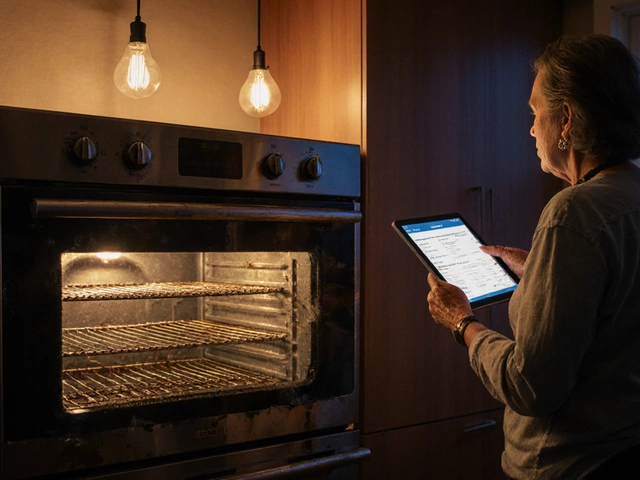
Find out when fixing a 15‑year‑old oven makes sense, compare repair costs with buying new, and learn safety, energy and environmental factors to help you decide.
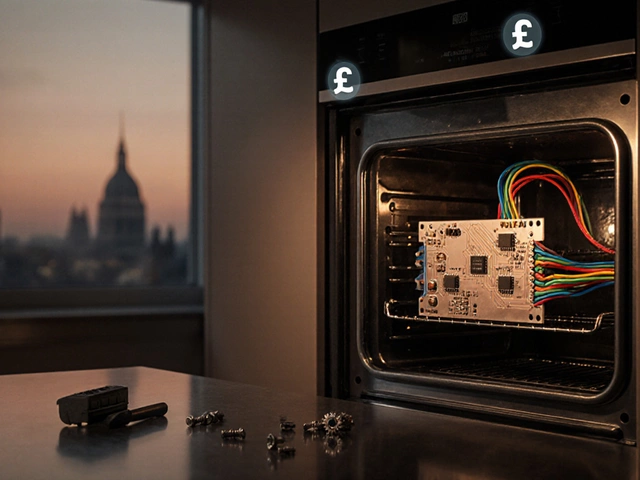
Learn the typical UK price for an oven control board, factors that affect cost, DIY steps, and when to call a professional in 2025.

Struggling with a hot water heater that refuses to kick on can be frustrating, especially on chilly days. In this detailed guide, you'll find practical solutions and in-depth explanations to help diagnose and possibly fix some of the most common issues that prevent your hot water heater from functioning. Whether it's a simple power issue or a more complex mechanical fault, this article equips you with the knowledge to tackle the problem. It's time to stop second-guessing and start understanding what's really going on with your heating system.

Thinking of fixing your own water heater? Learn when DIY is safe, common problems, money-saving tips, and when to call a pro.

Deciding whether to repair an electric oven after five years can be tricky, especially with advancing technology and evolving household needs. This article explores the practical aspects of oven repair, including cost-benefit analyses, common issues, and DIY tips to help inform your decision. By understanding key factors like repair costs versus replacement options, you can make an informed choice. Learn how to assess the condition of your oven and get tips on when professional help might be needed.