

Every modern appliance – fridge, oven, washing machine – has a tiny computer called a control board. It tells the motor when to run, the heater when to heat, and the fan when to spin. When that board goes bad, the whole unit can act up or stop working altogether.
Most people don’t realize the control board is the culprit until a few clear symptoms show up:
If you see two or more of these signs, it’s worth checking the board before ordering a new part.
Replacing a control board can be a straight‑forward job if you’re comfortable with basic tools. Here’s a quick walk‑through:
Most control boards cost between £50 and £200, depending on the appliance. Add about £25‑£40 for a basic service call if you need a professional.
When you should call a pro:
Professional electricians or appliance repair technicians have the right tools, warranty coverage, and the know‑how to diagnose hidden issues like a shorted power supply.
In the end, a faulty control board is a common reason appliances quit suddenly. Spotting the signs early, deciding whether you can DIY, and following a clear replacement guide can save you time and money. If you’re unsure, a quick call to a local repair service will give you peace of mind and avoid costly mistakes.
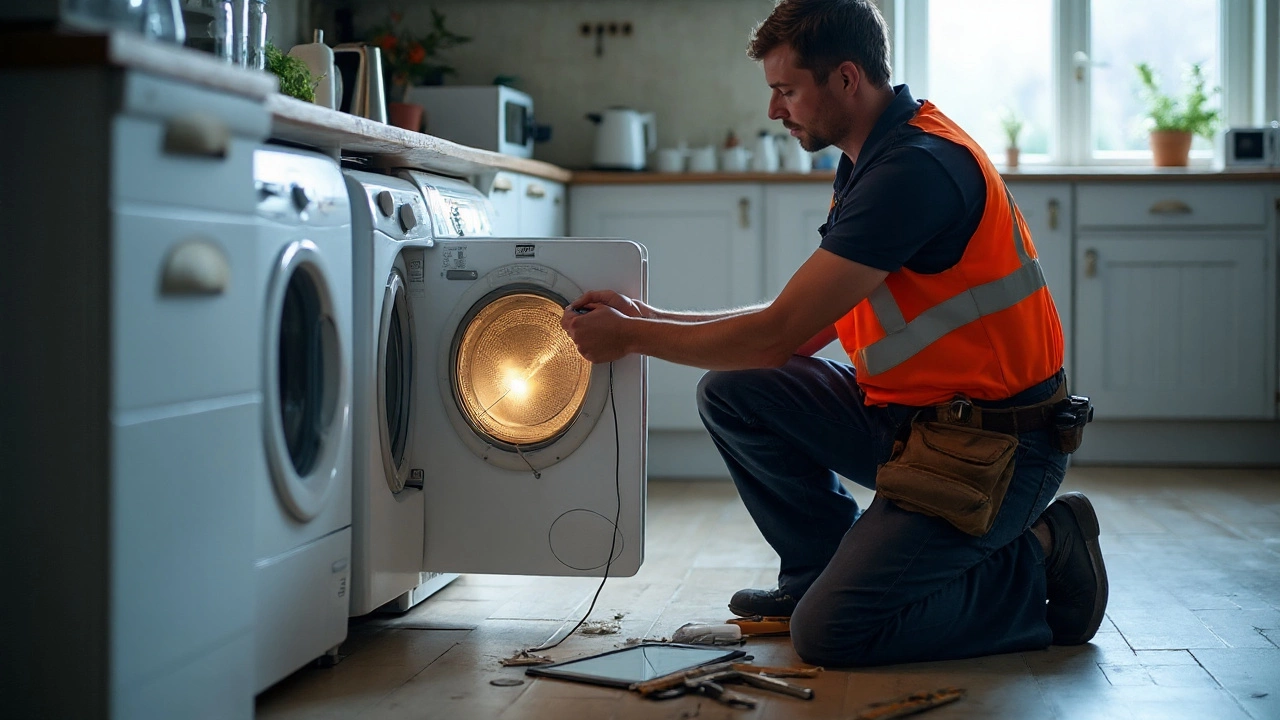
Front-load tub/drum assemblies and top-load transmissions are usually the priciest washer repairs. See real costs, how to diagnose, and when to fix or replace.
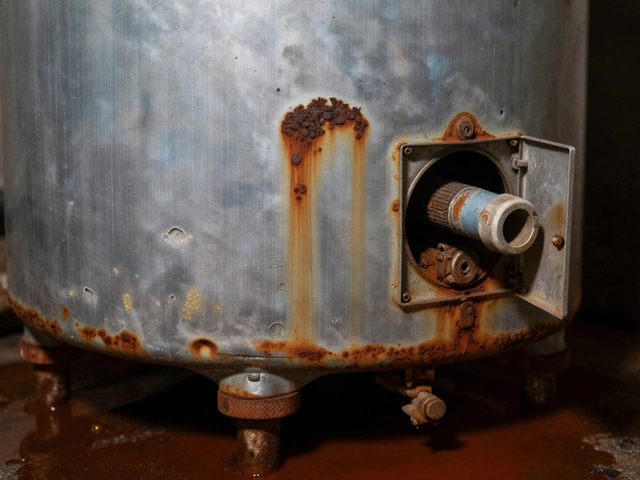
Water heaters commonly fail due to heating element burnout, thermostat issues, corrosion, and sediment buildup. Learn the top causes and how to spot them early to avoid costly repairs or sudden breakdowns.
Ever got frustrated with cold showers while waiting for your hot water heater to get fixed? This article breaks down how long it really takes to repair different types of water heaters, from common issues you can fix yourself to problems that call for a pro. You'll learn what affects the repair timeline, plus some quick tips to speed things up. No more second-guessing if you’ll be stuck with icy water all day. Get the facts so you can plan around your next repair.
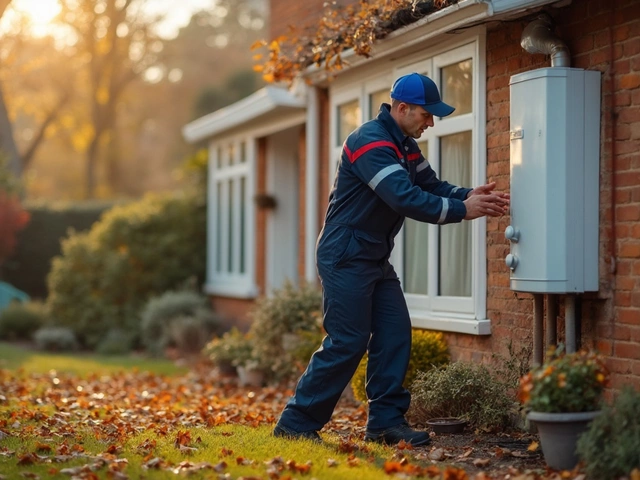
Replacing a boiler can seem like a daunting task, but knowing what to expect can make the process easier. Typically, boiler replacement involves several steps including removing the old unit, choosing the right size and type for your home, and ensuring proper installation. Skilled professionals often make the experience smoother by handling the technical aspects and minimizing disruption. Preparation and understanding of the process can help homeowners tackle this job with confidence.
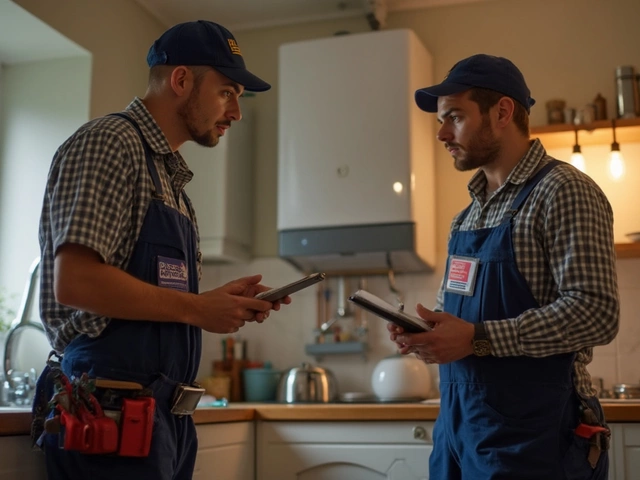
Wondering whether plumbers can fix your boiler? This article breaks down exactly what plumbers do, where their work overlaps with heating engineers, and when you need a specialist. You’ll get practical advice for dealing with boiler issues, tips for finding the right tradesperson, and a look at why gas safety credentials matter so much. There’s even a checklist for what to ask before hiring someone for your boiler job. Skip the confusion and figure out who to call, fast.
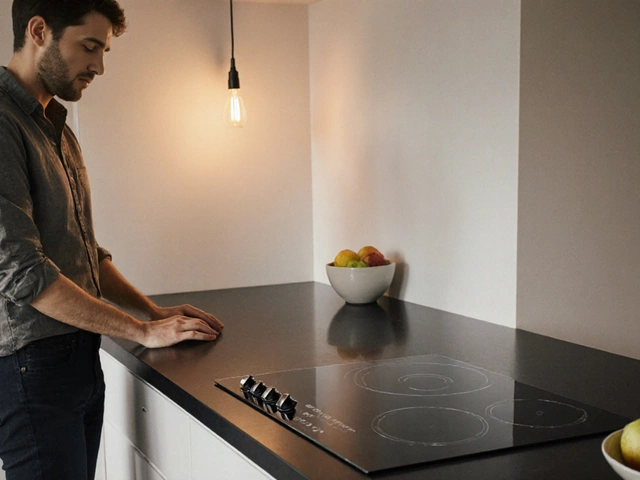
Discover if electric hobs can be fixed, cost breakdowns, DIY steps, safety tips, and when to replace. A practical guide for UK homeowners.