

If your heat pump isn’t keeping the house cozy or the rooms cool, you’re probably wondering what’s wrong. Most issues are simple enough to spot and often cheap to repair. Below we break down the biggest headaches – from weak warm air to a pump that won’t cool – and give you practical steps you can try before calling a pro.
When the fan runs but the air feels chilly, the culprit is usually one of three things: a clogged air filter, low refrigerant, or a faulty thermostat. A dirty filter blocks airflow, making the unit work harder and reducing heat output. Swap the filter for a clean one and see if the temperature improves.
If the filter is fine, check the thermostat setting. Many users accidentally set the mode to “fan only” or the temperature too high, causing the system to shut off the heating cycle. Reset the thermostat to “heat” and lower the set point a few degrees.
Low refrigerant is trickier – it means there’s a leak somewhere in the sealed lines. You’ll notice frost on the outdoor coil or a hissing sound. This isn’t a DIY fix; call a certified technician to locate the leak, repair it, and recharge the system.
In summer, a heat pump should act like an air‑conditioner. If it runs but the room stays warm, first inspect the outdoor unit. Debris, leaves, or a blocked fan can stop heat exchange. Turn off the power, clear the area, and make sure the fan spins freely.
Next, examine the indoor coil. Ice buildup is a red flag that airflow is restricted or the refrigerant charge is off. Turn the system off for 30 minutes to let the ice melt, then restart. If the ice returns, you likely have a dirty filter or a failing fan motor.Finally, check the condensate drain. A clogged drain can cause the unit to shut down as a safety measure. Use a wet‑dry vacuum to clear any blockage, or pour a cup of bleach down the line to kill mold.
When these quick checks don’t solve the problem, it’s time to call in a professional. They can run pressure tests, check electrical components, and ensure your heat pump runs at peak efficiency.
Keeping a heat pump happy is mostly about regular maintenance: change filters every 1‑2 months, clear the outdoor unit each season, and schedule a yearly service visit. A well‑maintained system lasts longer, uses less energy, and saves you from costly breakdowns.
Remember, if you ever smell gas, see sparks, or hear loud banging noises, shut the unit off immediately and call an expert. Safety comes first, and a trained technician can address dangerous faults safely.
With these tips, you’ll know exactly what to look for when your heat pump acts up. A quick filter swap or a simple coil clean can often restore comfort, letting you enjoy steady heat in winter and cool air in summer without a big bill.

Heat pumps are reliable, but they aren’t perfect. Most people run into the same headache: their heat pump is running, but the air isn’t getting warm (or cool) enough. This article breaks down why this happens, what you can do before calling a pro, and how to keep your heat pump running smoothly. Get to know the main reasons behind weak heat and poor air flow, and pick up easy tips to avoid repeat problems. It’s practical info every homeowner can use.

Thinking about installing a new electric oven? It's not always as simple as plugging it in. Discover the ins and outs of electric oven installation with tips on wiring, safety precautions, and when to call a professional. Learn what to check before attempting to plug in a new unit and how to ensure everything's set up correctly for safe and efficient use.
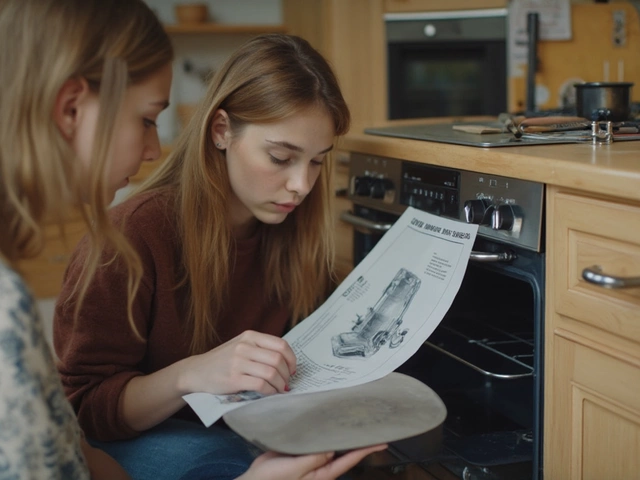
Thinking about replacing your electric oven on your own? This article breaks down what you need to know about doing it yourself— from basic safety to common pitfalls. Learn how tricky the process can get, which tools you might need, and when it's smarter to call a pro. Get tips to save money and avoid kitchen disasters. Designed for anyone who values a good meal and a working oven.

Navigating the cost of a new boiler can be confusing. This guide dives into typical pricing, key considerations for your budget, and how to make the best decision for your home. We'll explore average costs, the impact of brands and models, and provide tips for saving money. Get the information you need to keep your home warm without breaking the bank.
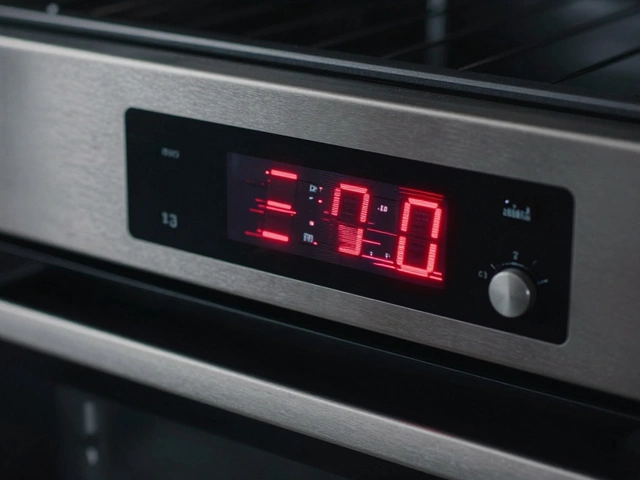
Learn how to identify a failing oven control board through specific signs like flickering displays, erratic heating, and error codes. Includes visual inspection tips, testing methods, and safety precautions for accurate diagnosis.
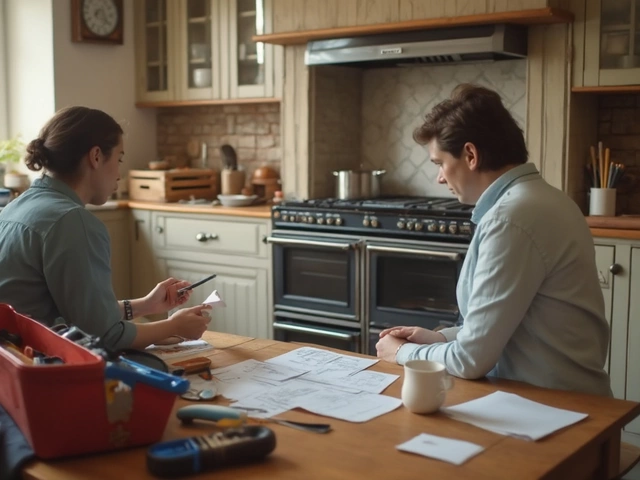
Thinking about whether to repair an 8-year-old oven? This article digs into the real costs and benefits, from repair bills to how long ovens actually last. You'll get tips on diagnosing simple issues yourself, signs to look for before calling a pro, and how energy efficiency compares between old and new models. See how warranties, brand reputation, and parts availability impact the final call. Get advice that’s practical, straight-up, and doesn’t waste your time.