

If your kitchen or bathroom fan has quit humming, started rattling, or is blowing weak air, you’re not alone. Most households face the same hiccups – a blocked vent, a loose blade, or a faulty motor. The good news is you can spot many of these issues in minutes, and either fix them yourself or know exactly when to call an expert.
Fans rely on three basics: clean airflow, a powered motor, and a secure housing. Over time, grease and dust settle on the blades, restricting movement. A clogged filter or vent reduces suction, so the fan works harder and may overheat. Loose wiring or a burnt‑out capacitor can also cut power abruptly, leaving the fan dead. In humid bathrooms, moisture can corrode metal parts, leading to squeaks or a slow‑moving motor.
Before you pick up the phone, try these steps:
If the fan runs quietly but the airflow is weak, the motor’s bearings could be worn out. That’s a sign you need a professional replacement.
When the fan makes a high‑pitched squeal or rattles, tighten any loose screws on the housing and make sure the fan blades are straight. A warped blade can cause uneven air pressure and noisy operation.
Finally, if you notice water dripping around the fan, it may be a condensation problem. Installing a proper humidity‑controlled vent or adding a waterproof seal around the fan housing can stop leaks.
By tackling these easy checks, you can often restore your fan’s performance without a costly callout. But if the motor refuses to start after cleaning, or you spot burnt wires, it’s safest to let a qualified technician handle the repair. Remember, a well‑maintained fan not only stays quiet but also helps prevent mold and keeps your home smelling fresh.
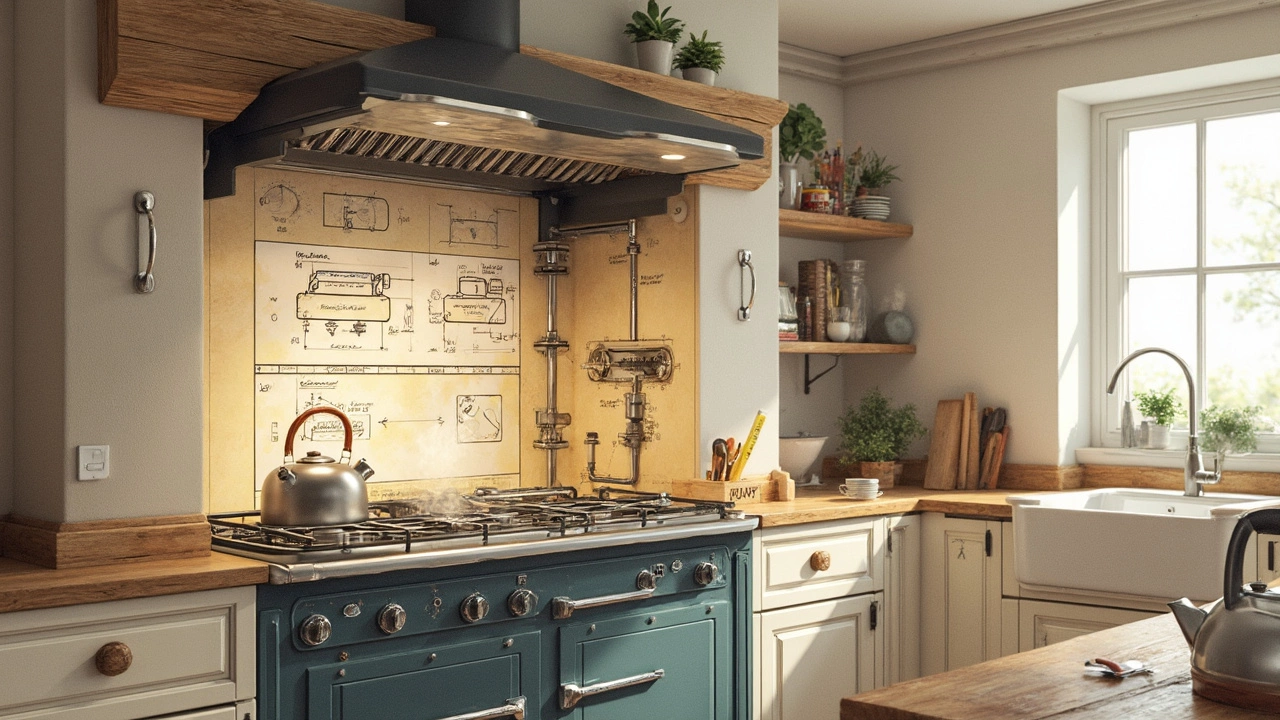
Extractor fans are essential for maintaining good air quality, especially in kitchens and bathrooms. When they stop working, it might be due to electrical, mechanical, or cleanliness issues. Understanding the root causes of fan failures can save you time and money in repairs. Discover common problems, practical tips, and preventive measures to keep your fan spinning efficiently.
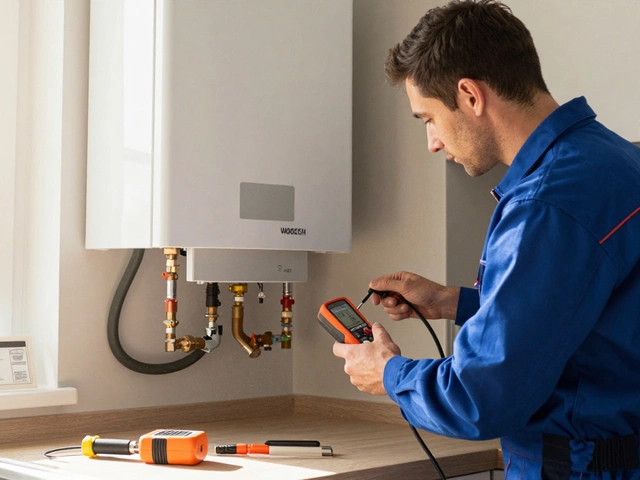
A typical boiler service takes 60 to 90 minutes, but older or neglected systems may require 2-3 hours. Regular annual servicing prevents breakdowns, improves efficiency, and keeps warranties valid. Always choose a plumber who tests gas safety and provides a written report.

Learn fast DIY steps to diagnose and fix a non‑working water heater, plus safety tips, maintenance advice, and when to call a professional.
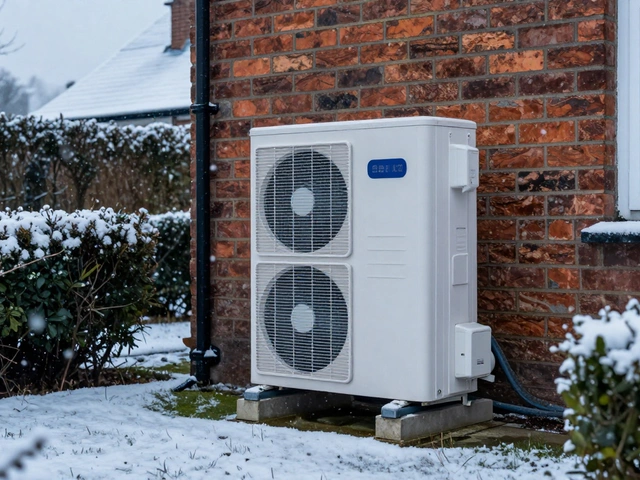
Discover real heat pump repair costs in the UK for 2026. Learn which faults are expensive, how maintenance saves money, and when to replace vs repair your system.

Navigating the world of cooker repair can seem daunting, but armed with the right knowledge, it becomes manageable. This article explores common issues faced by cookers, signs that suggest whether repair is possible, and steps on how to approach fixing these vital kitchen appliances. By identifying whether a do-it-yourself fix is feasible or when to call in a professional, you can make informed decisions about your cooker. Learn about maintenance tips to prolong the life of your cooker and keep it working efficiently.
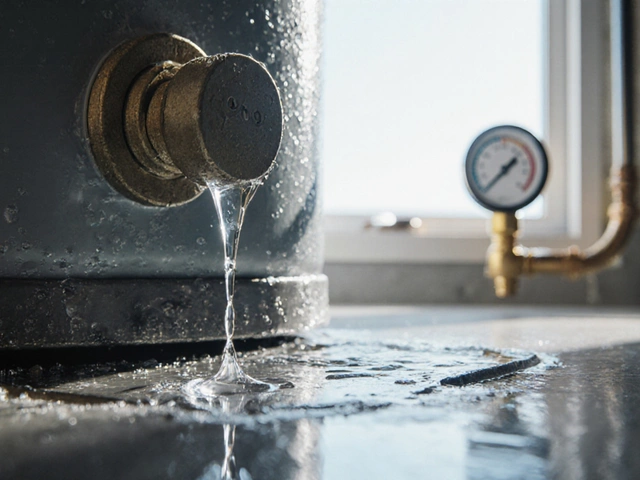
Water heater leaks usually come from five common spots: the pressure relief valve, anode rod, drain valve, tank corrosion, or pipe fittings. Learn where to look and how to fix it before it turns into a flood.