

Got a boiler that’s been humming along for a few years? It probably needs a check‑up. Skipping regular service can lead to higher bills, weird noises, or worst‑case a breakdown in the middle of winter. A good service keeps the system safe, efficient, and helps you avoid costly repairs.
Most manufacturers recommend an annual service. Think of it like a car oil change – once a year is enough for most homes, unless the boiler is older or you use it nonstop. If you hear banging, the water isn’t hot enough, or you get a strange smell, call for a service even if you’re not due yet.
A qualified engineer will check the pressure, inspect the heat exchanger for cracks, clean the burner, test the safety valves, and look for any leaks. They’ll also verify that the flue is clear and the thermostat works properly. After the job, you should get a service report that notes any issues and what was fixed.
When you get a quote, expect to see a breakdown of labour and parts. In 2025 the average cost for an annual service in the UK is between £80 and £120. Complex systems or large commercial units can cost more. Ask the engineer what’s included – some companies bundle a power flush or carbon monoxide test for a slightly higher price.
Choosing the right person to do the service is crucial. Look for a Gas Safe registered engineer. That means they’ve passed training, have the right insurance, and are legally allowed to work on gas appliances. You can check the Gas Safe register online by entering their ID number.
If you’re wondering whether you can do a DIY service, the short answer is no. Boilers involve gas, high pressure water, and combustion – all dangerous if you’re not trained. Simple things like bleeding radiators or resetting a thermostat are fine, but the core service needs a pro.
Many homeowners wait until a breakdown occurs before calling for help. That’s a mistake. Catching a small leak early can save you a few hundred pounds. Common warning signs include a drop in water pressure, odd noises (like kettling), rusty water, or a pilot light that keeps going out.
When you get a service report, pay attention to any recommendations. If the engineer suggests a power flush, it’s usually because sludge is building up inside the system. Ignoring it can cause over‑heating and pump failures. A power flush costs around £300‑£400 but can extend the life of your boiler by years.
Finally, keep a record of each service. It not only helps you track maintenance but also adds value if you sell the house. Buyers love seeing a well‑maintained heating system, and some insurance policies offer discounts for regular servicing.
Bottom line: schedule a yearly boiler service, pick a Gas Safe engineer, and don’t ignore the warning signs. It’s a small investment that keeps your home warm, saves money, and avoids emergency call‑outs when the cold hits.
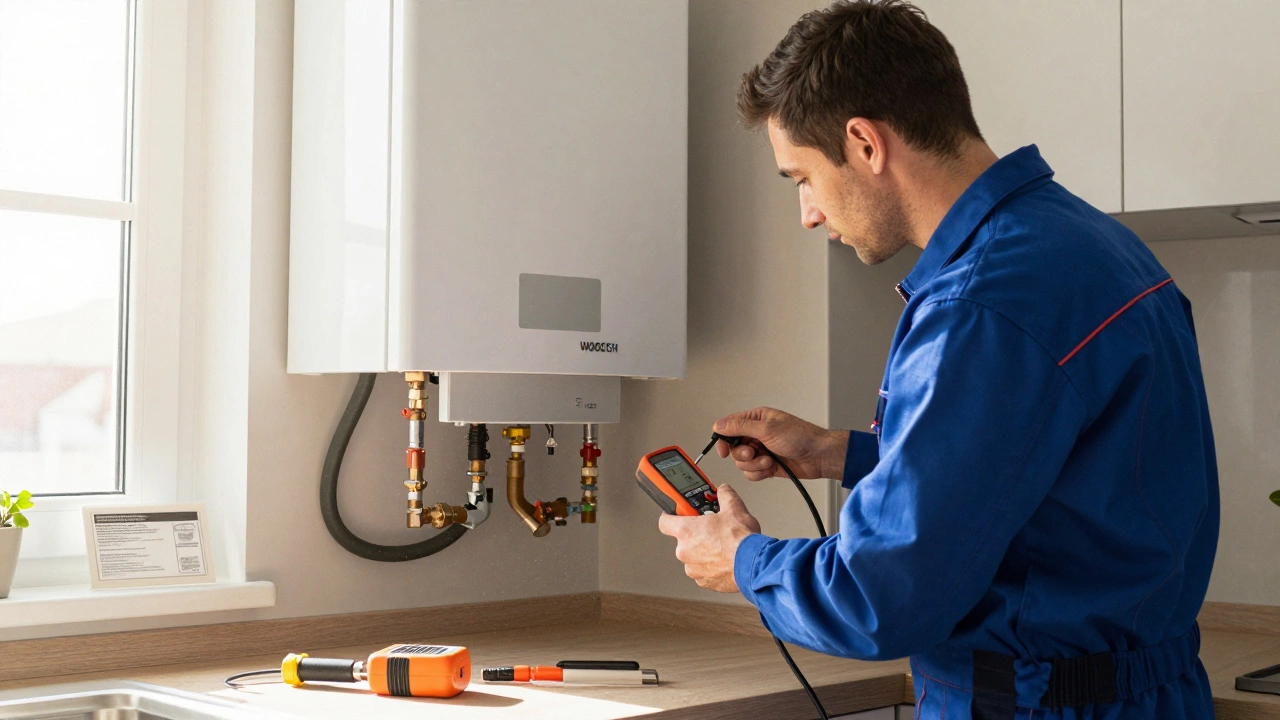
A typical boiler service takes 60 to 90 minutes, but older or neglected systems may require 2-3 hours. Regular annual servicing prevents breakdowns, improves efficiency, and keeps warranties valid. Always choose a plumber who tests gas safety and provides a written report.

Boiler servicing is an essential aspect of home maintenance that ensures safety and efficiency. While it might seem tempting for homeowners to attempt servicing their own boilers, it's crucial to understand the complexities and risks involved. This article explores whether boiler maintenance can be a DIY project, providing key tips and insights. It offers guidance on what aspects are safe to handle on your own and when to call in a professional.

If your boiler stops working, know who to call and what to do immediately. This guide covers emergency steps, how to find a Gas Safe engineer, repair costs, and how to prevent future breakdowns in the UK.
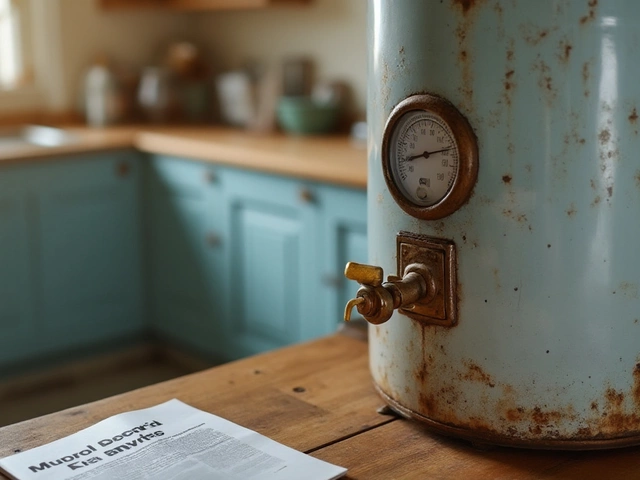
Determining when your hot water heater needs replacement isn't always straightforward. This guide explores key signs such as irregular water temperatures, strange noises, and age that might indicate it's time to get a new unit. Understanding these signs not only ensures a reliable hot water supply but also prevents potential damage and higher energy bills. Additionally, we discuss some tips for maintenance to prolong the life of your current system.
Is it worth repairing a 20-year-old boiler? Learn the costs of repair vs replacement, energy efficiency gains, and when to stop spending on old heating systems.
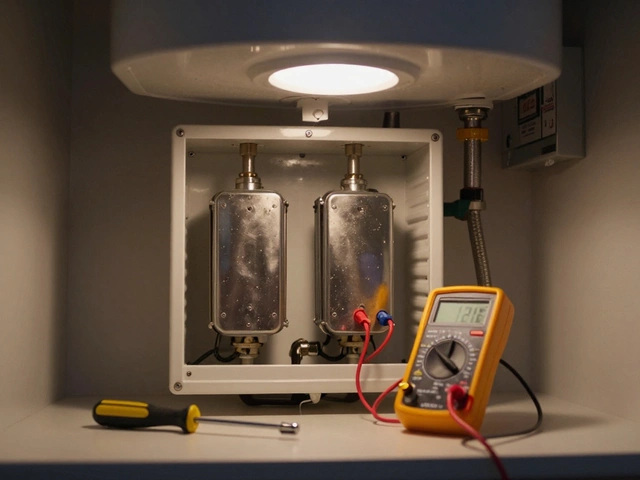
Fix a water heater producing cold water by checking the power, testing heating elements, adjusting the thermostat, flushing sediment, and replacing faulty parts like the dip tube or thermocouple. Most issues are simple DIY fixes.
Water heaters are essential in our daily lives, yet they often fail more quickly than expected. Understanding the common causes of these failures can help in preventing them. In this article, we delve into why water heaters often break down prematurely and offer practical tips on extending their lifespan. Regular maintenance and awareness of common issues are key to ensuring your water heater runs efficiently for years.