

Got a cold house and your boiler isn’t heating? You’re not alone. A lot of homeowners face the same headache, and most of the time the cause is something you can spot in minutes. Below you’ll find the most common issues, simple steps to try, and clear signs it’s time for a professional.
First, check the pressure gauge. If it’s below 1 bar, the system can’t push water around, so you’ll feel no heat. Top the system up using the fill‑valve and watch the gauge rise. If the pressure drops again within an hour, you probably have a leak somewhere in the pipework or a faulty pressure‑relief valve.
Next, listen for unusual noises. Banging, whistling or a kettling sound usually means limescale is building up in the heat exchanger. A quick power flush can clear the sludge, but if the noise persists you’ll need a technician to descale the unit.
Don’t ignore a pilot light that keeps going out. If you have a gas boiler with a pilot, a dirty thermocouple or a draft can snuff it. Clean the area with a soft brush, make sure the flame is blue, and try relighting. If it still quits, the thermocouple likely needs replacement.
Minor faults like low pressure or a stuck thermostat are cheap to fix and often just a DIY job. However, if you’re facing repeated breakdowns, corrosion, or your boiler is more than 12‑15 years old, replacement may save money in the long run. New models are far more efficient, cutting fuel bills by up to 30%.
Cost is another clue. If a repair quote tops half the price of a new boiler, think twice. A modern boiler comes with a warranty and lower running costs, which usually outweighs the upfront expense.
Safety can’t be compromised. Any sign of carbon monoxide, a strong gas smell, or persistent leaks means you should shut the boiler off and call a Gas Safe engineer immediately. Don’t try to fix gas‑related faults yourself.
Regular servicing is the best defence against big problems. An annual check catches worn parts, cleans the heat exchanger, and keeps the system running efficiently. In Bognor Regis, a standard service costs between £80‑£120, but it can prevent a costly breakdown during winter.
So, what’s the next step? Start with the quick checks: pressure, noises, pilot light. If those don’t solve it, book a qualified engineer for a full diagnosis. Ask them about a service plan – many companies offer a yearly visit at a reduced rate, which keeps your boiler humming all year.
Remember, a well‑maintained boiler not only keeps you warm but also protects your wallet. Spotting the problem early, doing simple fixes, and knowing when to call in the pros will keep your home cozy without surprise bills.
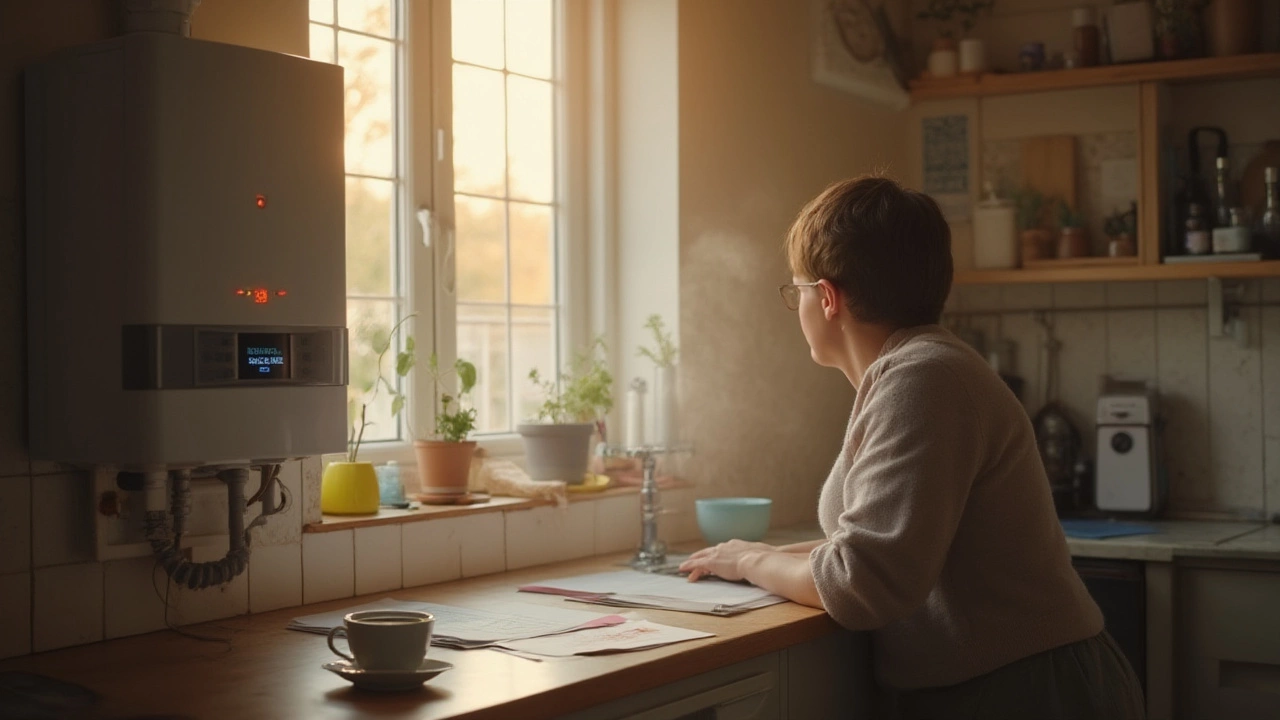
Discover when to worry about your boiler, warning signs to watch, and smart tips for safe use. Get practical advice to avoid major boiler headaches.

Curious if you can fix your boiler yourself? This detailed guide covers common boiler problems, easy repairs you can tackle, and when to leave it to the pros.
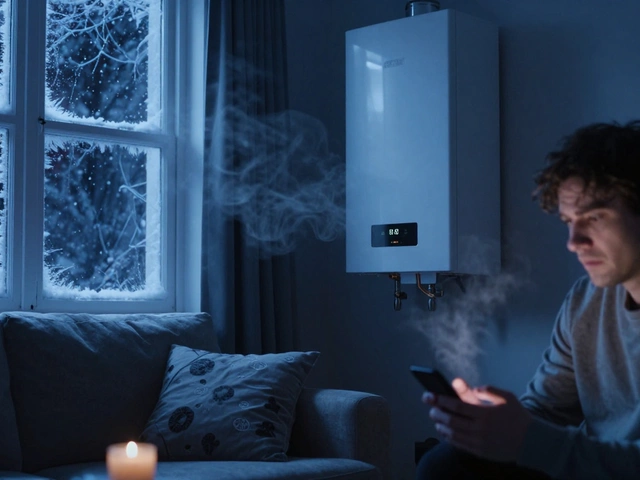
Discover who legally fixes boilers in the UK. Learn why you need a Gas Safe registered engineer, not just a plumber, and understand the qualifications, costs, and safety checks involved in boiler repair.

Wondering how long you can cope with a broken boiler? Get clear facts, repair timelines, survival tips, and legal details so you don’t get left in the cold.

Wondering how long a washing machine should actually last? This article breaks down real averages, points out what causes washers to wear out, and shows simple ways to get more years out of your machine. We’ll look at red flags for replacement, compare old versus new models, and clear up some common myths about washers. If you want your next laundry day to go smoothly—or you’re tired of surprise breakdowns—this guide’s for you.
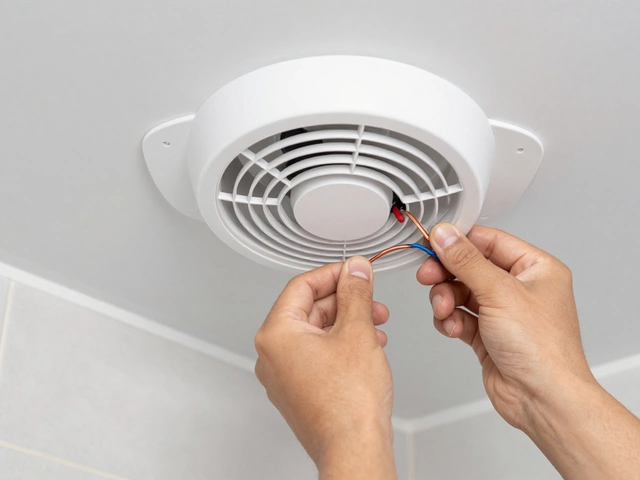
Wondering who should install your extractor fan? Learn when to hire an electrician, HVAC tech, or handyman for safe and efficient ventilation installation.
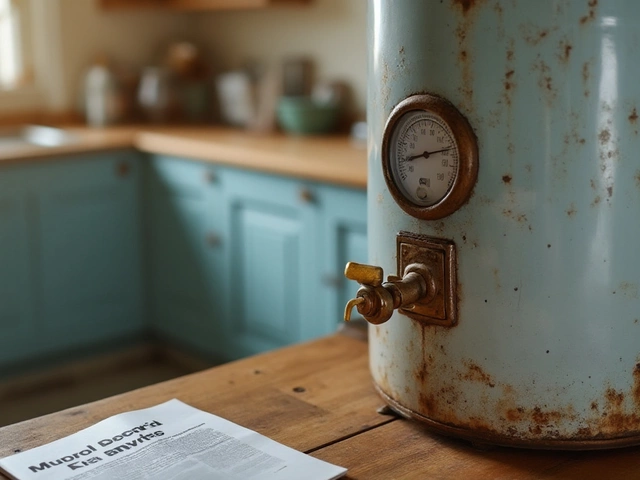
Determining when your hot water heater needs replacement isn't always straightforward. This guide explores key signs such as irregular water temperatures, strange noises, and age that might indicate it's time to get a new unit. Understanding these signs not only ensures a reliable hot water supply but also prevents potential damage and higher energy bills. Additionally, we discuss some tips for maintenance to prolong the life of your current system.