

If you’ve ever wondered whether your boiler is getting old, you’re not alone. Most homeowners start paying attention when the heating bill climbs or the hot water flickers. The good news is you can spot trouble early and decide if a simple fix will do or if it’s time for a new unit.
Boilers don’t all age the same way. A few key factors decide whether yours will hit 10, 15 or even 20 years.
In the UK, a well‑maintained boiler typically lasts between 12 and 15 years. If you’re past 10 years and notice any of the warning signs below, start planning.
Even if your boiler is nearing the average age, a few habits can push it further.
1. Keep up with annual servicing. A qualified Gas Safe engineer will clean the heat exchanger, check gas pressure and test safety devices. This service usually costs £80‑£120 but saves you from expensive breakdowns.
2. Flush the system. Over time, sludge builds up in the radiators and pipework. Flushing every 3‑5 years restores flow and reduces strain on the pump.
3. Monitor pressure. The pressure gauge should sit around 1‑1.5 bar when the system is cold. Consistently low or high pressure means there’s a leak or a faulty expansion vessel.
4. Fix small faults fast. A knocking sound, cold spots on radiators or a thermostat that won’t stay set are early alarms. Ignoring them pushes the boiler to work harder and can cause a bigger failure.
5. Consider a smart thermostat. Modern controls cut out heating when rooms are empty, lowering the run‑time and wear on the boiler.
When a repair costs more than half the price of a new boiler, or when the unit is over 15 years old, replacement becomes the smarter choice. New models are up to 30 % more efficient, meaning lower bills and a smaller carbon footprint.
Bottom line: keep an eye on age, watch for warning signs, and stick to a yearly service. Those simple steps let you get the most out of your boiler and avoid surprise breakdowns when winter hits.
Is it worth repairing a 20-year-old boiler? Learn the costs of repair vs replacement, energy efficiency gains, and when to stop spending on old heating systems.

Thinking about how long your boiler will keep working? This article explains the real lifespan of boilers, the factors that affect how long they last, and how to spot when yours might be on its last legs. You'll get practical tips for stretching out your boiler's life and advice about when it's smarter to repair or just replace. Stay warm and avoid surprise breakdowns with these straightforward facts.
In the world of home heating, boilers are real workhorses. But have you ever wondered how long your trusty boiler will keep chugging along? Typically, a boiler can last anywhere from 15 to 20 years, depending on various factors like maintenance, usage, and quality of installation. Knowing when to fix or replace your boiler not only ensures a warm home but also helps you avoid unexpected expenses.
Boiler lifespan can vary greatly depending on usage, maintenance, and type. On average, boilers last anywhere from 10 to 15 years. Regular maintenance is key to prolonging the life of your boiler and ensuring it functions efficiently. In this article, discover how to keep your boiler in top shape and when it might be time to replace it.
Boilers are the unsung heroes of many homes, tirelessly keeping us warm through the coldest months. But how long can these mighty machines really last? This article delves into the factors affecting boiler lifespan, maintenance tips for longevity, and whether hitting the five-decade mark is realistic. Learn about the signs of wear and when it might be time for an upgrade.

Boilers, integral to any home heating system, don't last forever. Understanding their lifespan can help you plan timely maintenance and replacements to ensure efficient heating. In this article, we explore how long you can expect your boiler to serve you, what affects its longevity, and how regular care can make a difference. By understanding these aspects, homeowners can make informed decisions regarding their heating needs and avoid unexpected failures.

Thinking about replacing your old boiler but dreading the mess? This article breaks down exactly what kind of disruption to expect during a boiler swap. Find out what typically gets messy, which steps are surprisingly neat, and how you can prep your space to keep chaos to a minimum. Get straightforward tips to protect your home, plus the real deal on post-installation cleanup. No sugarcoating—just facts every homeowner should know before booking the job.

Plumbers can install extractor fan ductwork, but only electricians can legally wire them. Learn who to call for safe, code-compliant installation and how to avoid costly mistakes.
Figuring out whether to repair or replace a 10-year-old range can save money and hassle. This article explores cost considerations, common issues, and when to opt for repair versus replacement. Additionally, discover maintenance tips to extend your range’s life. Make informed decisions with a detailed look into repair pros and cons. Navigate the world of kitchen appliances with confidence.
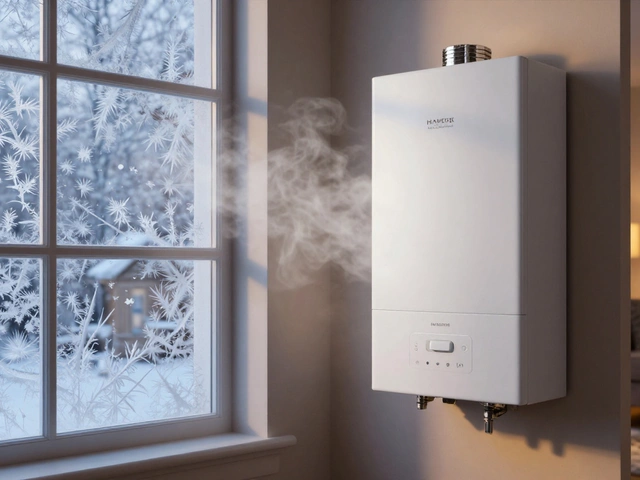
Boiler repair costs in 2026 range from £80 to £1,500 depending on the fault. Learn average prices for common fixes, hidden fees, and when to repair versus replace your boiler.
Understanding whether an electrician can repair your extractor fan might save you time and hassle. Dive into the nitty-gritty of what electricians can do for your fan problems, and get tips on how to maintain these helpful appliances. This guide covers the skills electricians bring to the table and when a specialist might be needed. Stay informed and prepared for any fan-related issues that might come your way.