

If your home feels chilly or you hear odd noises from the boiler, something's probably wrong. Boilers are built to work hard, but they can develop issues just like any other appliance. Knowing the tell‑tale signs saves you time, money, and the hassle of a cold house.
First, look for a drop in water pressure. The gauge on the front should sit between 1 and 1.5 bar when the system is off. If it’s lower, you might see weak heating or no hot water at all.
Leaking water is another red flag. A puddle around the boiler, damp pipework, or moisture on the floor means a seal has failed or a pipe is cracked. Ignoring it can cause rust and expensive repairs.
Strange noises—gurgling, banging, or whistling—often point to air trapped in the radiators or a buildup of limescale inside the heat exchanger. These sounds aren’t just annoying; they reduce efficiency.
A boiler that won’t fire up or keeps shutting off may have a faulty ignition, a blocked condensate pipe, or a problematic thermostat. Modern units also display error codes; jot the code down and look it up in your manual.
Finally, an odd smell—like gas or burning dust—should never be ignored. If you smell gas, open windows, turn off the main supply, and call a Gas Safe engineer immediately.
Start by resetting the boiler. Most models have a reset button on the front panel; hold it for a few seconds and see if the system restarts. This can clear minor electronic glitches.
Check the pressure gauge and, if it’s low, top up the system using the filling loop. Usually you open both valves, let water run until the gauge reaches the right level, then close them. Be careful not to over‑fill.
Bleed any noisy radiators. Use a radiator key to turn the bleed valve until water starts to flow steady, then close it. This releases trapped air that can cause banging.
Inspect the condensate pipe for blockages, especially in winter. A frozen pipe will stop water from draining, leading to a shutdown. Thaw it gently with warm water if you see ice.
If you’ve tried these steps and the boiler still misbehaves, it’s time to call a qualified professional. Trying to fix gas components yourself is dangerous and could void warranties.
When you contact a repair service, have the boiler’s make, model, and any error code ready. This lets the technician diagnose the problem faster and bring the right parts.
Regular maintenance is the best defense against future faults. An annual service from a Gas Safe engineer checks the burner, heat exchanger, pressure valve, and safety controls. It also cleans out limescale that can cause overheating.
In short, keep an eye on pressure, leaks, noises, and error codes. Simple DIY checks can solve many minor issues, but never gamble with gas‑related problems. A well‑maintained boiler keeps your home warm, your bills low, and your peace of mind intact.

Frustrated by cold water instead of a hot shower? This guide breaks down the most common reasons your hot water is running cold, with simple fixes anyone can try at home.
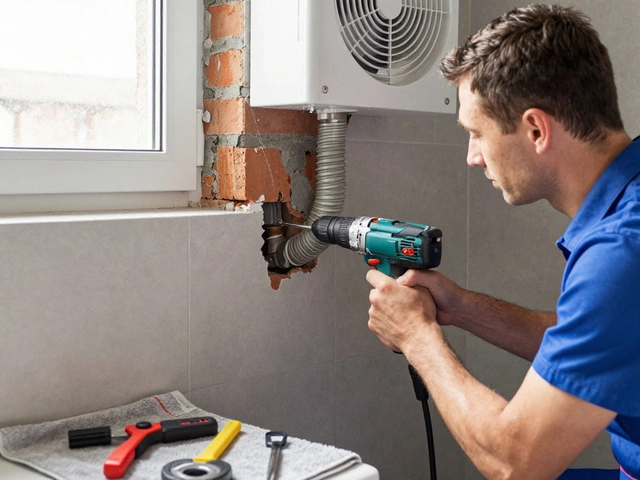
Can a plumber fit an extractor fan? While they can install the unit, only a qualified electrician can legally and safely handle the wiring. Learn what you need to know before hiring anyone.

Struggling with a kitchen extractor fan that's lost its power? This guide explains how to find and fix common blockages that cause bad smells and poor airflow. Learn step-by-step how to safely clean your fan and make it work like new, plus get handy maintenance tips to stop future clogs. We break down the process so you don't need tools or special skills. Get your kitchen back to normal without calling in an expert.
A short summary for the article based on the topic. You need to write a summary with up to 5 sentences or 160 symbols that covers the provided topic. Try to write the most human text.
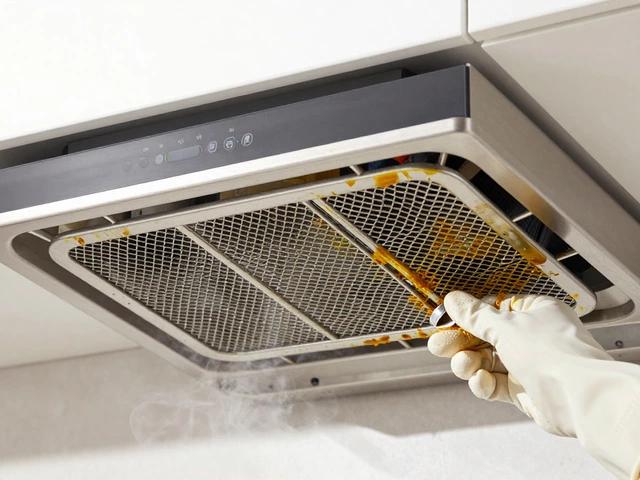
Learn how to troubleshoot a broken extractor fan step-by-step. From cleaning filters to testing capacitors, this guide helps you fix common issues like weak suction, humming noises, and complete failure safely.

Dryers are workhorses in the laundry room, but they aren't immune to problems. This article breaks down the most common issues found in tumble dryers, from weird noises to clothes that just won't get dry. You'll find straightforward explanations for why these problems happen and learn some practical tips to fix or prevent them. Plus, get the inside scoop on when you should call for a pro. Save money, avoid headaches, and keep your dryer running smoother for longer.