

When dealing with Boiler Fault, a malfunction or failure in a heating boiler that stops it from providing hot water or space heating. Also known as boiler breakdown, you’re looking at a problem that can leave the whole house cold. Boiler fault isn’t just a vague inconvenience; it often signals a specific component failure, a safety shut‑off, or a loss of pressure. In plain terms, a faulty boiler can mean no showers, frozen pipes, or an unexpected spike in your energy bill. The good news is that most faults fall into a handful of categories – ignition issues, pump failures, and heat‑exchanger leaks – and each has a clear path to resolution. Understanding these categories helps you decide whether you can try a quick reset or need a professional diagnose the deeper issue.
Once you’ve identified a fault, the logical move is Boiler Repair, the process of diagnosing and fixing the components that cause a boiler fault, such as the heat exchanger, pump, or control board. Repair work usually starts with a safety check – shutting off the gas and electricity – then moves to pinpoint the exact part that’s gone wrong. Common repairs include replacing a worn‑out pressure valve, cleaning a blocked condensate pipe, or swapping out a faulty thermostat. The cost of repair can vary widely; a simple thermostat swap might be under £100, while a heat‑exchanger rebuild can run into the hundreds. The key is that most repairs are far cheaper than a full boiler replacement, and they get your heating back up faster. If you ever wonder whether a flashing error code means a DIY fix or a call‑out, remember that many manufacturers publish troubleshooting charts that match codes to specific parts – a handy shortcut before you ring a technician.
Keeping a boiler in good shape also means scheduling regular Boiler Service, preventive maintenance that includes cleaning, safety testing, and performance checks to avoid future faults. A yearly service typically covers visual inspections, gas safety checks, pressure tests, and a look at the flame pattern. By catching small wear items early – like a loose pipe or a slightly dirty burner – you prevent the fault from escalating into a shutdown during winter. Service costs have settled around the £80‑£120 range for standard units, and many providers offer a discount if you bundle service with any needed repairs. The relationship is simple: a well‑serviced boiler is less likely to develop a fault, and when a fault does appear, it’s usually easier to fix because the system has been kept clean and calibrated.
Finally, remember that a boiler is just one part of the broader Hot Water System, the network of tanks, pipes, and controls that deliver heated water for taps, showers, and heating circuits. Issues like a stuck diverter valve or a failing immersion heater can mimic a boiler fault by delivering cold water even when the boiler itself is fine. When troubleshooting, check the thermostat settings, ensure the timer isn’t stuck, and verify that any auxiliary electric heaters are functioning. If the hot water problem persists after a boiler reset, the fault may lie elsewhere in the system, and addressing it can save you another service call. By looking at the whole hot‑water loop, you get a clearer picture of where the breakdown truly occurs.
Armed with this overview, you can now spot the signs of a genuine boiler fault, decide whether a quick repair or a scheduled service is the right move, and understand how the wider hot‑water system plays into the equation. Below you’ll find a collection of articles that dive deeper into each of these topics, from safety tips and cost breakdowns to step‑by‑step DIY guides. Use them as a roadmap to keep your home warm and your water hot all year round.
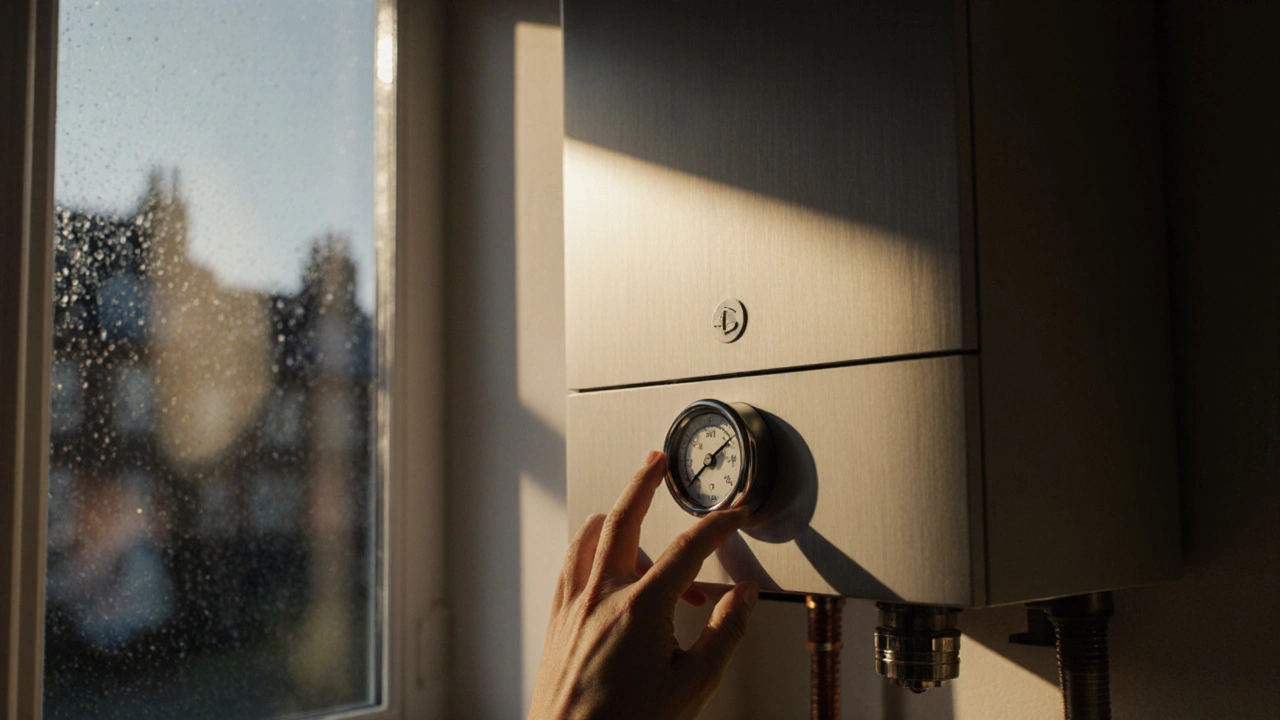
Step‑by‑step guide to diagnose common boiler problems, covering pressure, thermostat, fault codes, leaks, and when to call a professional.
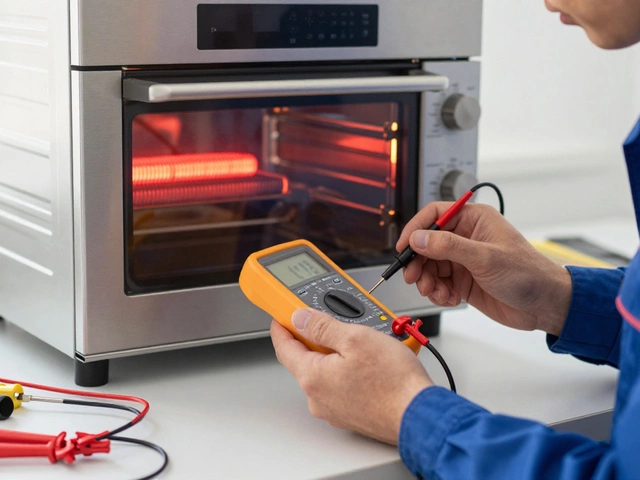
Learn the real cost to fix a broken oven, from common repairs like heating elements and thermostats to when it's better to replace. Get pricing, tips, and expert advice for 2026.
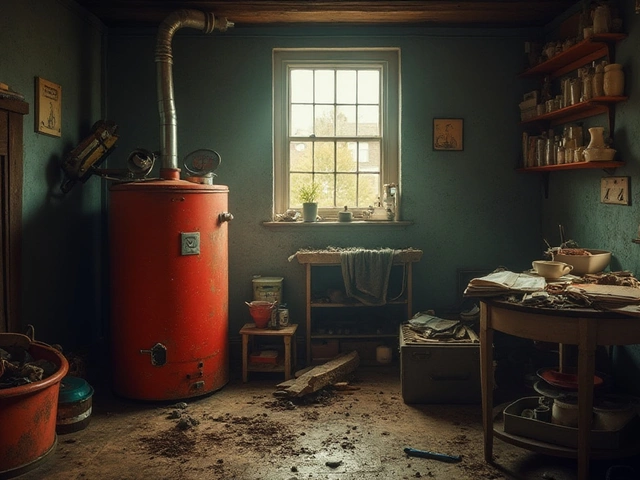
A 40-year-old boiler can pose potential safety risks. Understanding the wear and tear it undergoes over the decades is crucial. Regular maintenance and safety checks are essential to ensure it operates safely. Homeowners should consider the pros and cons of keeping such an old appliance. Discover tips and advice on making informed decisions regarding your boiler's safety and efficiency.
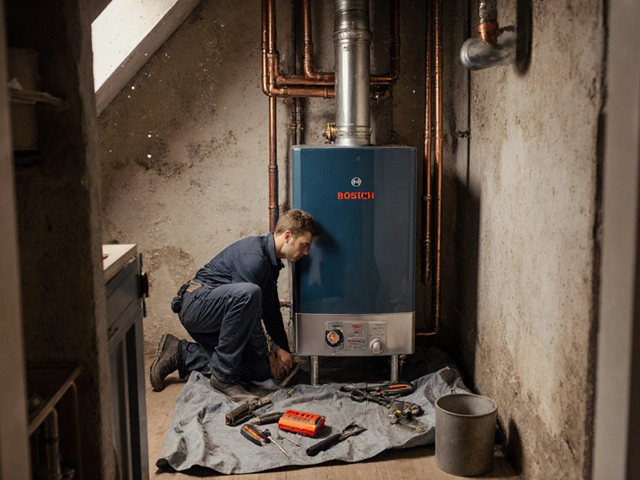
Replacing a boiler costs thousands because it's not just the unit-it's labour, safety checks, pipe upgrades, and compliance. Learn why this big investment is necessary and how to avoid overpaying.
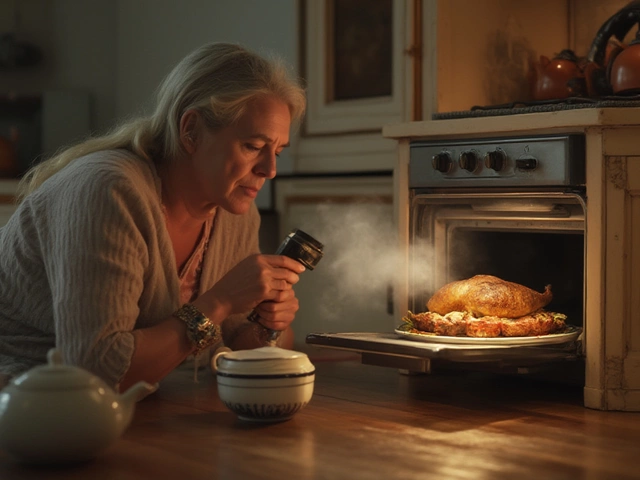
Find out how to tell if your oven’s heating element or thermostat is busted with simple tests, warning signs, and expert tips you can trust.
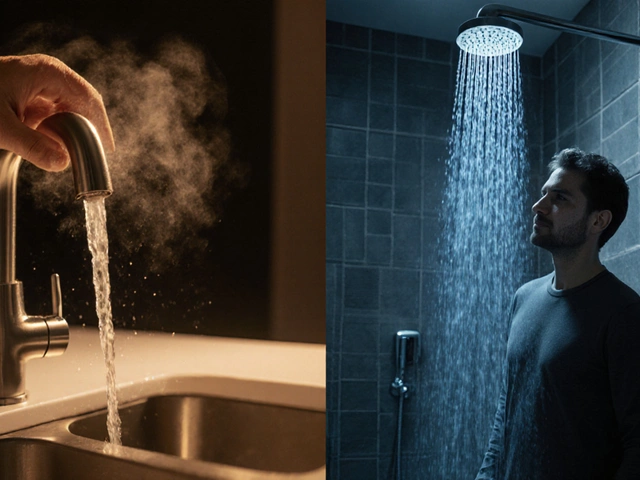
Discover why hot water reaches your sink but not the shower, learn the common causes, DIY fixes, and when to call a plumber for a reliable solution.