

Ever walked out of a bathroom feeling like a steam room? That’s a sign your ventilation isn’t doing its job. Too much moisture can lead to mould, slippery floors and a musty smell. The good news? Fixing it is easier than you think, and you don’t need a PhD to get it right.
First, understand what a ventilation system actually does. It pulls humid air out and pulls fresh air in, keeping the room balanced. When the fan works, steam from showers disappears, woodwork stays dry and you avoid costly repairs later on.
Not all fans are created equal. Look for the CFM rating – that’s cubic feet per minute, the measure of how much air the fan moves. A rule of thumb is 1 CFM per square foot of bathroom area. So a 50‑sq‑ft bathroom needs around 50 CFM. If you have a separate shower enclosure, bump the number up by 20‑30%.
Noise matters, too. Fans are rated in sones; lower numbers mean quieter operation. A fan around 1.5‑2.0 sones is usually a good balance of power and peace. Also, check if the fan has a built‑in light or humidity sensor – those extras can make life easier.
Even the best fan can lose efficiency if you ignore it. Dust and lint build up on the blades, cutting airflow. A quick clean every six months – just turn off the power, remove the cover, and vacuum the inside – keeps it humming.
Watch for signs that the fan needs replacing: a weak hum, rattling noises, or the bathroom staying damp after a shower. Replacing a fan isn’t a full remodel. Most models fit standard 4‑inch or 6‑inch ducts, and you can swap them out with a few screws and a screwdriver.
If you’re DIY‑confident, the install steps are straightforward: turn off the circuit, remove the old fan, attach the new unit, seal the duct with foil tape, and reconnect the wiring. Safety first – if you’re unsure about the wiring, call a qualified electrician.
For renters or busy homeowners, hiring a local pro can save time. Look for technicians who specialize in extractor fans – they know the right airflow calculations and can ensure the fan meets local building codes.
Lastly, remember that good ventilation works with other moisture‑control habits. Use a shower curtain, run the fan for a few minutes after each use, and wipe down tiles to keep water from sitting. Combine these habits with a properly sized fan, and you’ll enjoy a fresh, dry bathroom for years.
Bottom line: a well‑chosen, well‑maintained bathroom fan stops mould, saves energy, and makes daily life more comfortable. Take a few minutes to assess your current setup, pick the right fan, and give it a quick clean – you’ll notice the difference right away.
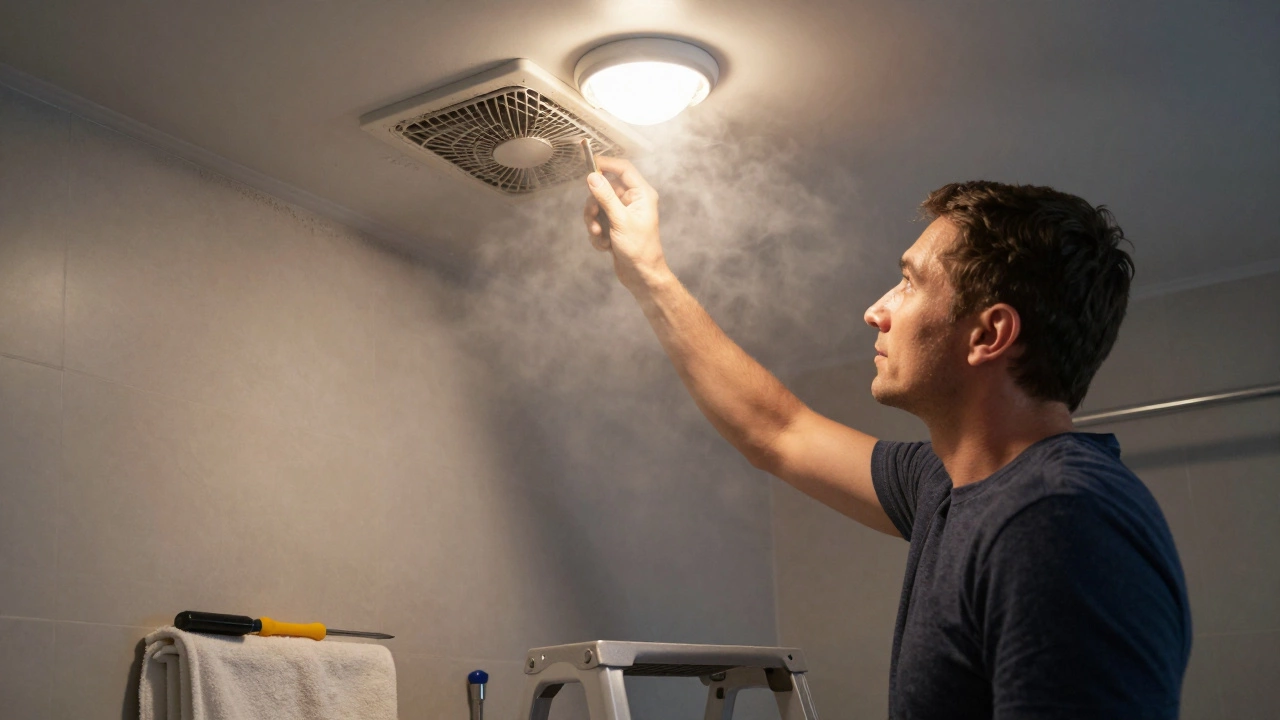
Replacing a bathroom extractor fan is often a simple DIY job that prevents mold and moisture damage. With the right tools and a little care, most homeowners can do it in under two hours. Learn how, what to buy, and when to call a pro.

Plumbers can install extractor fan ductwork, but only electricians can legally wire them. Learn who to call for safe, code-compliant installation and how to avoid costly mistakes.
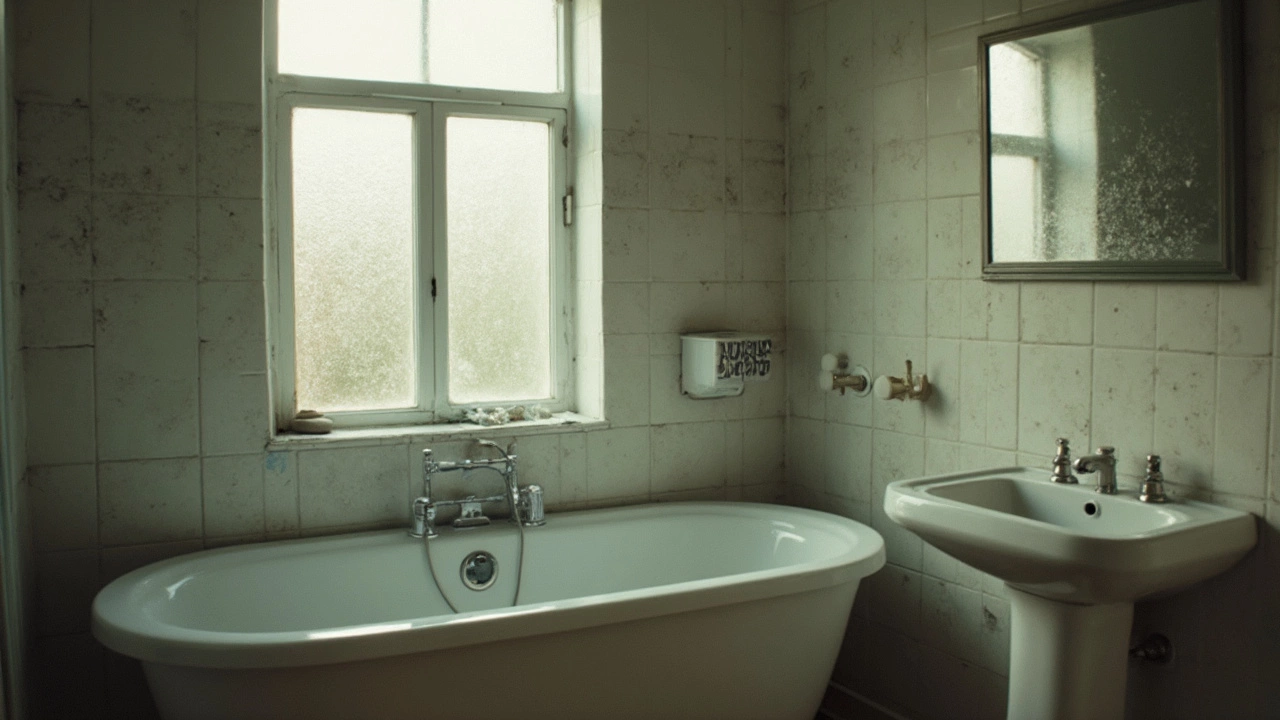
Wondering if you actually need an extractor fan? This article unpacks whether having one is essential for your home, focusing on bathrooms, kitchens, and the impacts of poor ventilation. Get practical advice about when an extractor fan is a must, what can go wrong without one, and tips for repair and maintenance. Make sure your living space stays fresh, dry, and hassle-free. Say goodbye to foggy mirrors and damp smells.
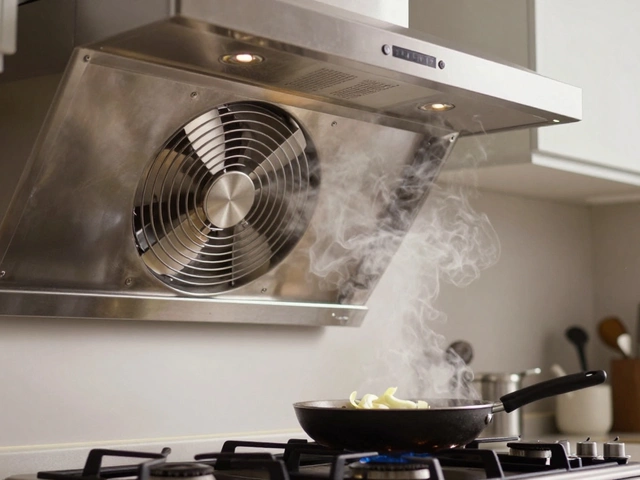
Discover why kitchen extractor fans stop working and how to fix them. From clogged filters to motor failures, learn practical troubleshooting steps to restore airflow and avoid costly repairs.

Extractor fans are a lifesaver when it comes to clearing out steam, smoke, and nasty odors, but many people forget they actually need a little love now and then. This article cracks open the question of whether extractor fans need maintenance, and if so, what kind and how often. We'll cover quick tips, warning signs, and busted myths around fan care. Get the straightforward facts (and a few surprises) about keeping your fan working its best. No nonsense, just super practical info you can use right now.

Extractor fans are essential for maintaining good air quality, especially in kitchens and bathrooms. When they stop working, it might be due to electrical, mechanical, or cleanliness issues. Understanding the root causes of fan failures can save you time and money in repairs. Discover common problems, practical tips, and preventive measures to keep your fan spinning efficiently.

Stuck with a broken extractor fan and not sure what to do next? This article gives you practical ideas for improving air flow in your kitchen or bathroom when the fan is out of action. Learn about effective ways to keep humidity, smells, and condensation under control using simple tools and habits. Discover the pros and cons of each alternative solution so you can pick what fits your place best. Skip the stress and get the facts on dealing with bad ventilation the easy way.

Find out how to tell if your oven’s heating element or thermostat is busted with simple tests, warning signs, and expert tips you can trust.