

When dealing with bathroom plumbing, the system that delivers clean water and removes waste from your bathroom. Also known as wet room piping, it connects fixtures, regulates temperature, and ensures safe drainage. Good bathroom plumbing keeps showers hot and toilets flushing without a hitch.
One of the most common links to bathroom plumbing is the water heater, the appliance that heats water for showers and baths. A faulty reset button or sediment build‑up can turn a relaxing shower into a cold shock. Another key player is the boiler, the central heating unit that supplies hot water to bathrooms. When pressure drops or a fault code appears, you’ll notice slower fill times and lukewarm taps. Lastly, the extractor fan, the ventilation device that removes moisture and odors from the bathroom, protects pipework from rust and helps prevent mold growth.
Bathroom plumbing encompasses several sub‑systems: pipe installation, valve control, and fixture connection. It requires regular inspection of joints and seals to avoid leaks that can damage flooring. Proper water heater maintenance—flushing the tank, checking the pressure relief valve, and resetting the high‑limit switch—keeps hot water flowing and extends the unit’s life. Boiler performance influences bathroom hot water supply; a pressure loss or leaking heat exchanger can trigger a cascade of problems across the whole home. Extractor fans, while often overlooked, play a vital role in keeping humidity in check, which in turn preserves pipe integrity and reduces the risk of corrosion.
Our collection of articles tackles these topics head‑on. You’ll find a step‑by‑step guide to diagnosing boiler problems, clear instructions on safely resetting a water heater, and a practical DIY walkthrough for replacing a bathroom extractor fan. Each post breaks down the problem, lists the tools you’ll need, and tells you exactly when to call a professional. Whether you’re a seasoned DIYer or just trying to stop a drip, the advice here matches the real‑world issues you face in Bognor Regis and beyond.
Ready to get hands‑on? Below you’ll discover detailed guides that walk you through common bathroom plumbing challenges, from fixing a stubborn valve to understanding when a pipe replacement makes more sense than a quick patch. Dive in and arm yourself with the knowledge to keep your bathroom running smoothly.
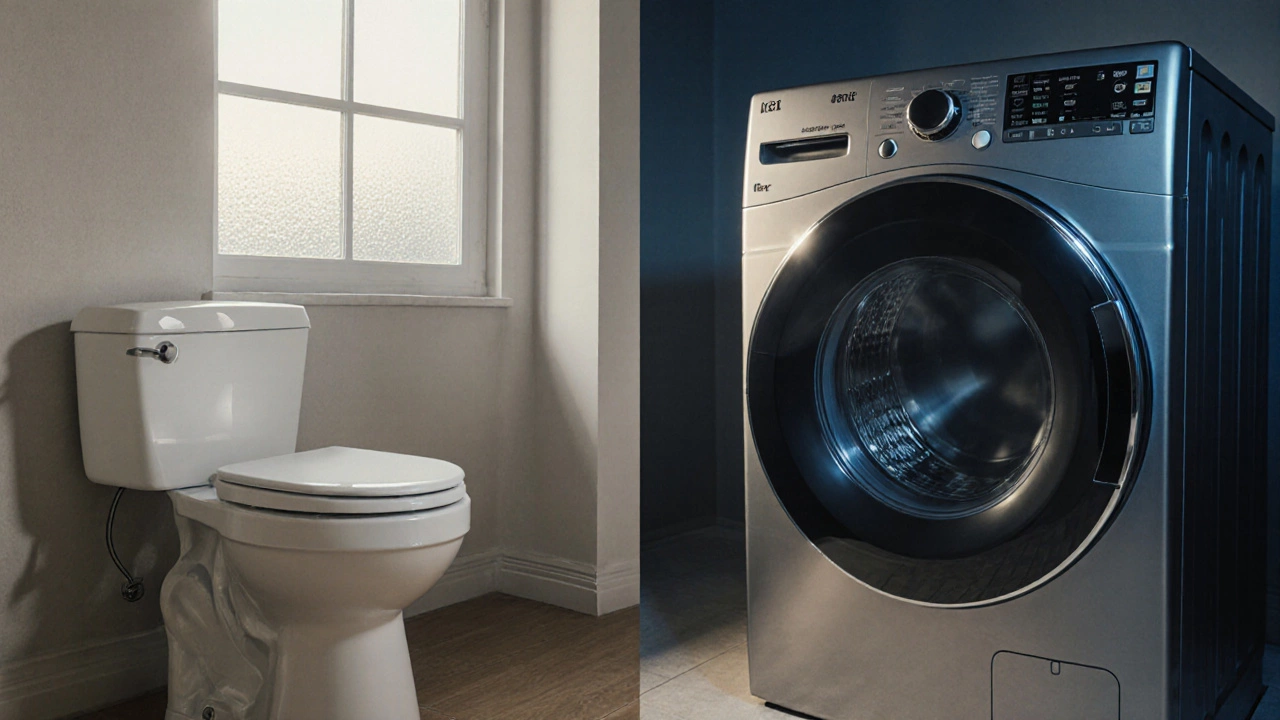
Learn why a toilet is classified as a plumbing fixture, not an appliance, and how this impacts warranties, insurance, and repair choices.
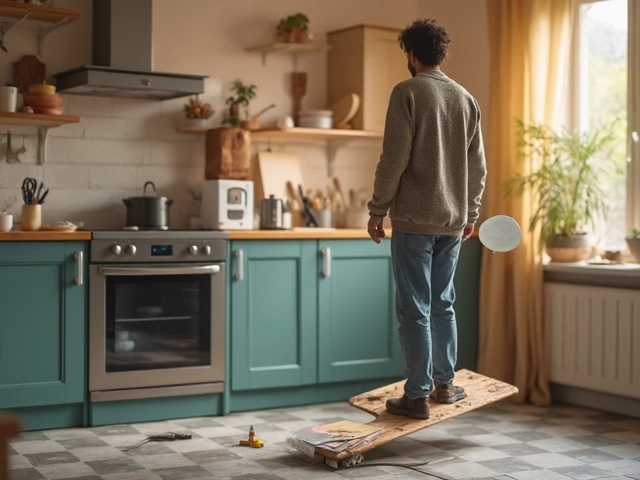
Considering replacing your electric oven on your own? Before you jump into action, it's crucial to understand the steps involved and the potential challenges you might face. From ensuring safety precautions to understanding the basic wiring, this article delves into what you need to know. We'll discuss not only the tools and skills required but also when it's better to call in a professional. By the end, you'll have a clearer picture of whether you should tackle this task yourself or seek expert help.
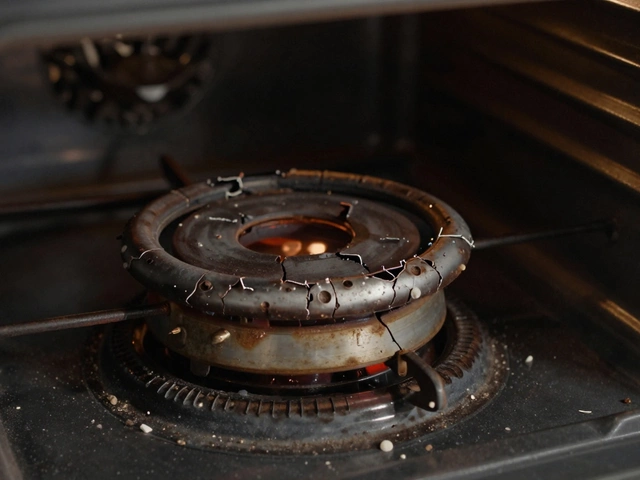
If your oven won't heat up, it's usually a simple fix-like a broken element, faulty thermostat, or blown fuse. Learn the most common causes and how to diagnose them yourself before calling a repair technician.
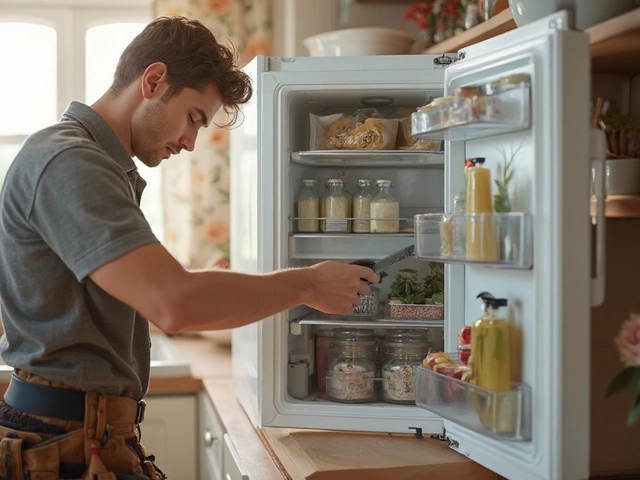
Resetting a freezer compressor may sound daunting, but it's an essential skill for maintaining your appliance's efficiency. Compressors can occasionally need a reset to function properly, potentially saving you from costly repairs or replacements. This article walks you through the steps to safely reset your freezer compressor and offers tips to prevent future issues. Understanding when and why to reset your compressor can keep your freezer running smoothly and extend its lifespan.
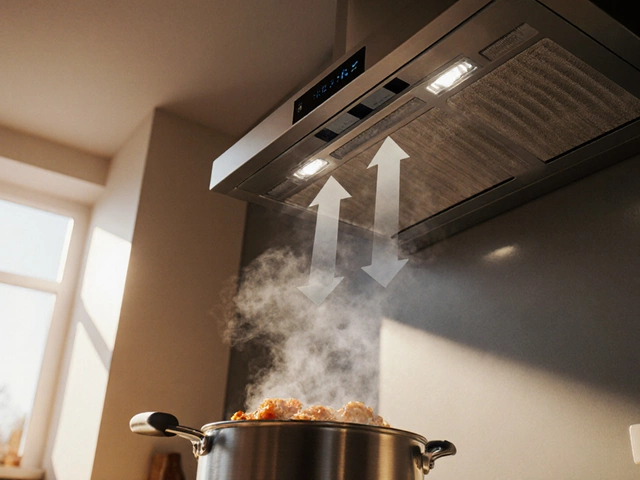
Find out if leaving your extractor fan on is safe, how much energy it uses, and the best practices to protect your home while keeping the kitchen fresh.
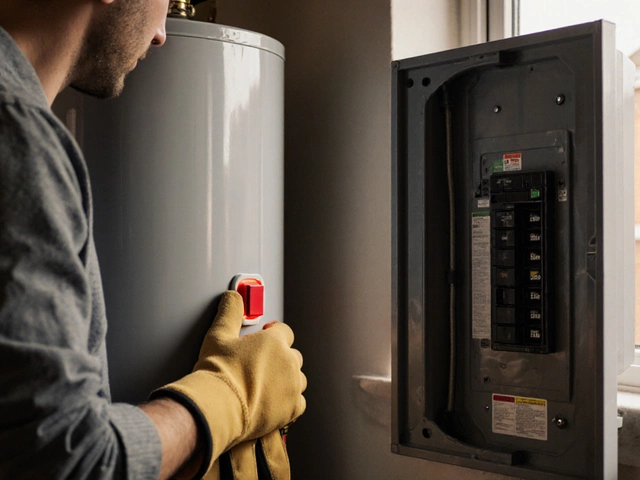
Learn when it's safe to press the water heater reset button, step‑by‑step instructions, common risks, and when to call a professional.