

Ever notice your bathroom fan getting noisy or not pulling air like it used to? That usually means it needs a little TLC. A clean, well‑kept fan stops mold, cuts down on humidity, and saves you from costly repairs.
Most homeowners should give the fan a once‑a‑year check‑up. If you steam up the room a lot – think long showers – do it every six months. Spotting dust, grime or a drop in airflow early makes the job easier.
1. Turn the power off. Switch off the light and unscrew the cover. If you’re unsure, flip the breaker for safety.
2. Remove the cover. Most covers snap or screw off. Pop it off and set it aside.
3. Vacuum the blades. Use a brush attachment to pull dust off the fan blades and motor housing. A can of compressed air works well for tight spots.
4. Wash the cover. Warm, soapy water does the trick. Rinse and let it dry completely before putting it back.
5. Inspect the motor. Look for any burnt smell or wobble. If the motor feels gritty, a quick spray of light oil on the shaft can smooth things out, but don’t over‑oil.
6. Re‑assemble. Screw the cover back on, turn the power on, and test the fan. You should hear a steadier, quieter flow.
If airflow is still weak, the duct might be blocked. Check the vent outside – clear any leaves, nests or debris. A clear path lets the fan do its job.
Sometimes the problem isn’t just dust. A humming motor, rattling noises, or a fan that won’t start at all usually means a part has worn out. Trying to fix electrical components yourself can be risky.
That’s where Bognor Regis Appliance Repair Experts step in. Our technicians know bathroom fans inside out and can replace motors, fix wiring, or install a new, more efficient unit.
Getting help early stops water damage, mold growth, and keeps your bathroom smelling fresh. Plus, we offer a quick response service for Bognor Regis residents.
So, give your fan a yearly clean, keep the vent clear, and listen for odd sounds. If anything feels off, don’t wait – call us and keep your bathroom ventilated the right way.

Wondering how often you should replace your extractor fan? This article covers extractor fan lifespan, signs it's time for a change, maintenance tips, and why fresh air matters.

Discover how long extractor fans last, what shortens their life, and tips to maximize their lifespan in your kitchen or bathroom. Practical, clear advice from real experience.
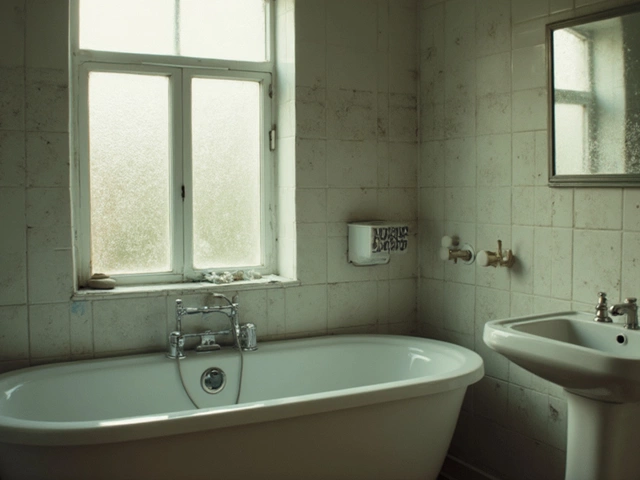
Wondering if you actually need an extractor fan? This article unpacks whether having one is essential for your home, focusing on bathrooms, kitchens, and the impacts of poor ventilation. Get practical advice about when an extractor fan is a must, what can go wrong without one, and tips for repair and maintenance. Make sure your living space stays fresh, dry, and hassle-free. Say goodbye to foggy mirrors and damp smells.

Fixing your fridge on your own can be a real money-saver if you know where to start. First, you've got to figure out what's actually wrong before grabbing your toolbox. With some basic tools and a little patience, you might just handle common issues like leaks, noisy operation, or poor cooling effectively. But sometimes, you also need to know when it's time to bring in a professional.

Deciding whether to repair or replace a laptop can be challenging. This guide explores the costs, benefits, and considerations involved in repairing a laptop. Learn when it's worth diving into a repair and when it's best to shop for a new device, along with tips on DIY repairs and choosing a reliable repair service.
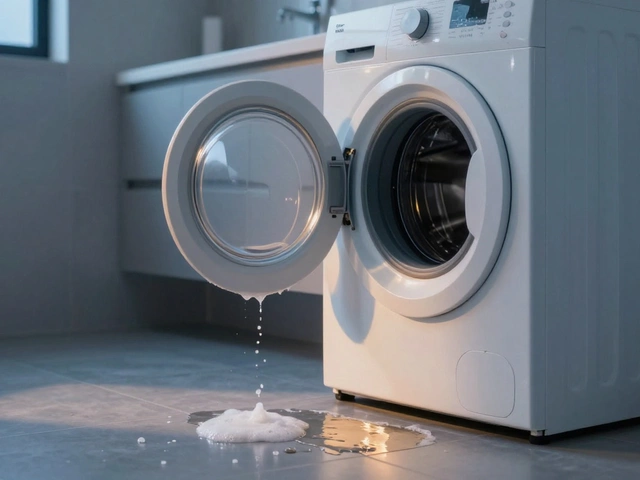
Discover the most common washing machine failures, from blocked filters to bearing issues. Learn how to diagnose leaks, spinning problems, and electronic glitches yourself.
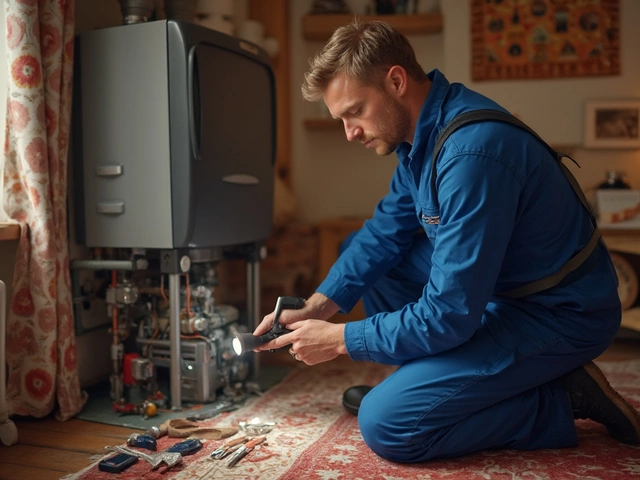
Regular boiler servicing is crucial to ensure safety and efficiency in home heating systems. A comprehensive service involves thorough inspections and cleaning, enhancing performance and extending the lifespan of the unit. Areas covered include checking the burner, inspecting the flue, and ensuring controls work correctly. Routine servicing helps prevent breakdowns and identifies potential issues early. Understanding what's involved can help homeowners make informed decisions and maintain reliable heating.