

Ever wonder why your fridge seems to be running forever while the washing machine gives up after just a few years? The truth is, each appliance has its own lifespan, and knowing the rough limits helps you avoid surprise breakdowns and costly calls.
In this guide we’ll walk through the typical life of the most common household machines, the warning signs that they’re on the way out, and simple habits that can add years to their service. Think of it as a cheat‑sheet for anyone who wants their appliances to work like new for as long as possible.
Every device shows clues when it’s getting older. A washing machine that takes longer to spin or rattles loudly is probably hitting the end of its 8‑12 year sweet spot. Heat pumps, whether air‑source or ground‑source, often start losing efficiency after 10‑15 years – you’ll notice higher energy bills or a drop in warm air output.
Ovens that heat unevenly or refuse to heat at all usually have a failing element. If the oven light works but the heat stays cold, the element is the first suspect. For fridges, a light that stays on while the interior stays warm points to a broken compressor or a clogged condenser.
Boilers and water heaters are another story. Frequent resets on a water heater, cold showers in winter, or a noisy boiler ticking away are classic red flags. Extractor fans that grind or no longer pull air are usually past their 5‑10 year prime.
Maintenance is cheap compared to replacement. Flush your water heater once a year to remove sediment – it keeps heating efficiency up and stops corrosion. Clean your fridge coils every six months to improve cooling and lower energy use.
Washing machines love a level floor and a clean filter. Run a hot wash with a descaling agent every few months to dissolve limescale that can gum up the pump. Heat pumps need a yearly service check: clear debris from the outdoor unit, replace dirty filters, and tighten any loose connections.
For ovens, check the door seal regularly. A cracked seal lets heat escape, forcing the element to work harder. If you notice an element flickering before it fails, replace it early – the cost is a fraction of a full oven overhaul.
Finally, don’t ignore small problems. A squeaky extractor fan is often just a loose blade that can be tightened in minutes. Catching and fixing these tiny issues stops them from turning into major repairs that demand a professional.
Bottom line: know the typical lifespan of each appliance, listen for warning sounds, and stay on top of simple cleaning tasks. When an appliance truly reaches the end of its useful life, weigh repair costs against replacement price – if the fix is more than half the price of a new unit, it’s usually smarter to replace.
By keeping an eye on durability signs and doing a bit of routine care, you’ll stretch the life of your home’s workhorse devices and save both time and money. Ready to give your appliances the TLC they deserve? Start with one task today – clean that fridge coil or run a descaling cycle on the washing machine – and watch the difference it makes.
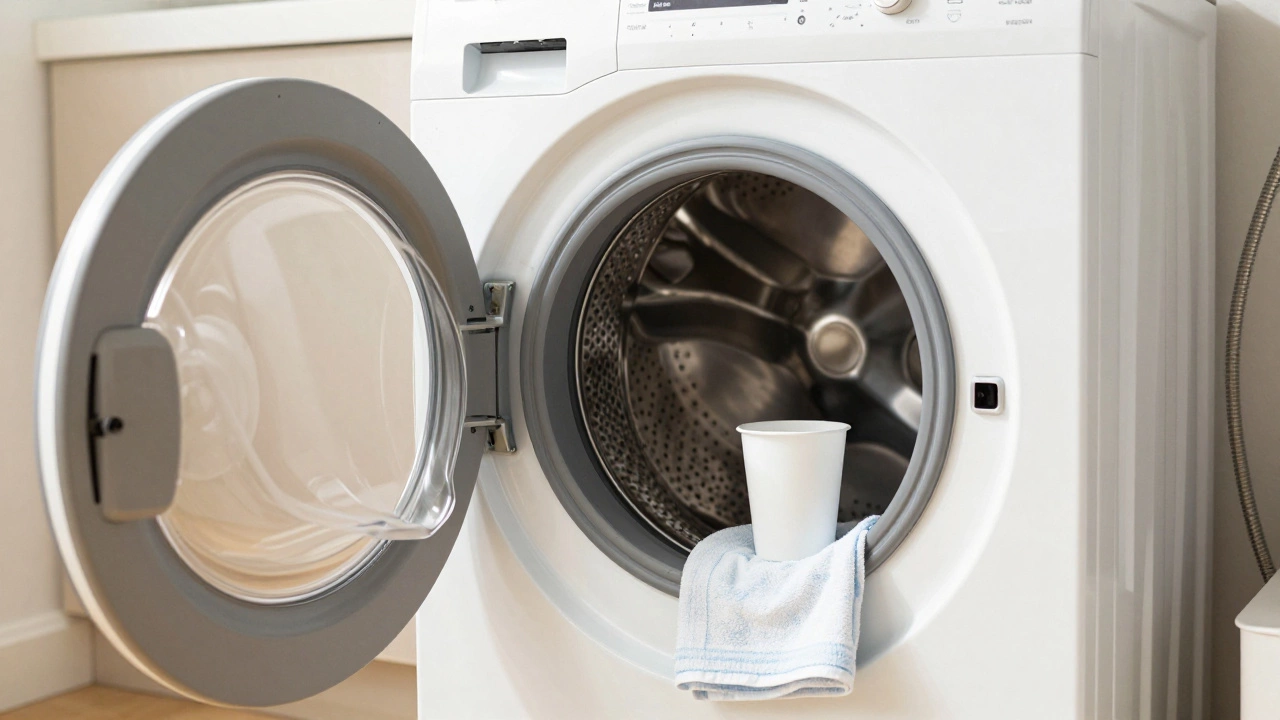
The longest average lifespan of a washing machine is 15-20 years for high-quality models with proper care. Most last 8-12 years, but maintenance, load size, and water quality make a huge difference. Learn how to extend your washer's life and when to repair vs. replace.

Wondering how long a washing machine should actually last? This article breaks down real averages, points out what causes washers to wear out, and shows simple ways to get more years out of your machine. We’ll look at red flags for replacement, compare old versus new models, and clear up some common myths about washers. If you want your next laundry day to go smoothly—or you’re tired of surprise breakdowns—this guide’s for you.

Wondering how long your electric stove is supposed to last? This article breaks down real-world numbers, explains what impacts the life of an electric stove, and gives you the know-how to make yours last longer. You’ll get practical advice on repairs versus replacement, and tips to avoid common pitfalls that cut appliance life short. Choosing the right upkeep now can save you money and headaches later. Perfect for homeowners who want their kitchen running smoothly for years.

Thinking about swapping out your electric oven? This article covers how tough the job really is, where people usually get stuck, and what you actually need to know. We break down what tools you really need, what pitfalls you can avoid, and when you should probably call someone who’s done it before. Get ready for straight talk—no tech jargon, just real advice for regular folks. Whether you DIY or call a pro, you’ll walk away ready to make a smart decision.
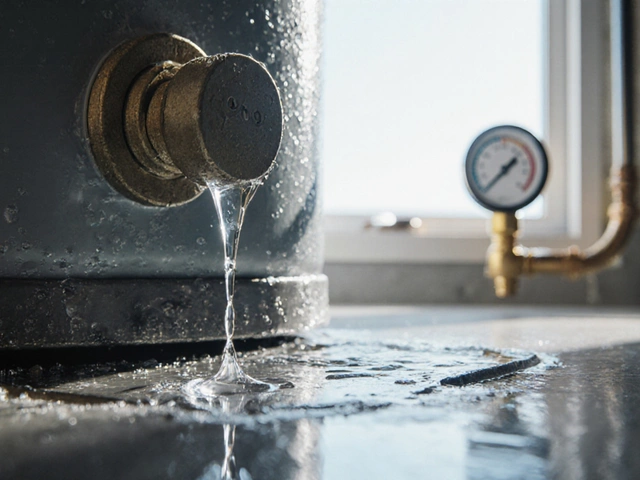
Water heater leaks usually come from five common spots: the pressure relief valve, anode rod, drain valve, tank corrosion, or pipe fittings. Learn where to look and how to fix it before it turns into a flood.
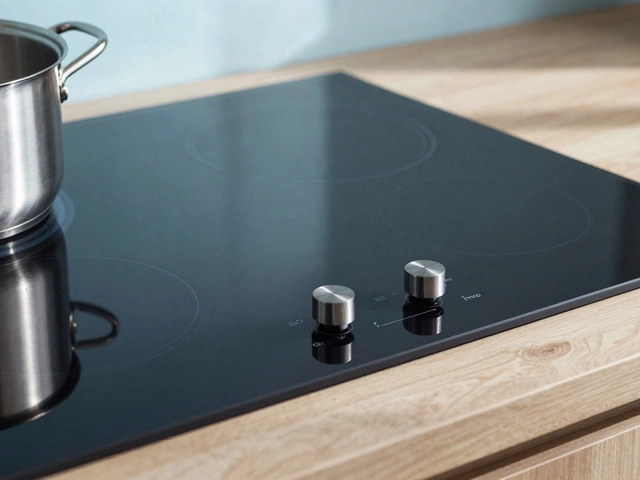
Learn exactly how to reset your electric hob when screens freeze or zones fail. This guide covers universal power cuts, button combinations, and recognizing genuine faults versus false alarms.
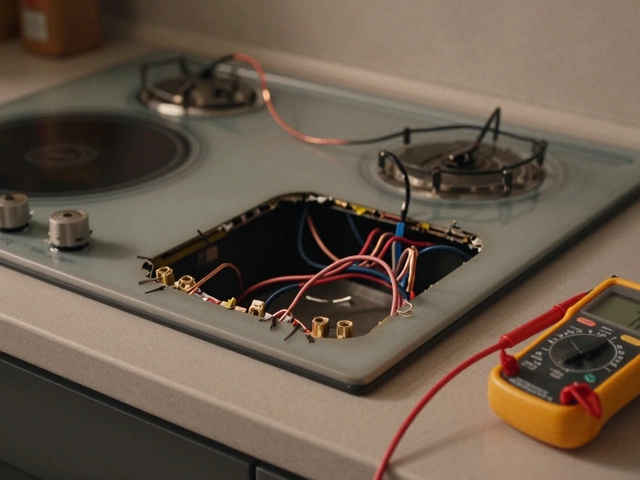
Replacing an electric hob isn't a DIY job. In the UK, it requires a qualified electrician for safety, legal compliance, and insurance reasons. Here's what you need to know before swapping your hob.

Repairing a glass hob is an essential task for maintaining a functional and modern kitchen. The cost of fixing a glass hob can vary greatly depending on the damage's severity and the required repair type. This article delves into the various factors influencing repair costs, from crack treatment to replacement solutions. It also provides tips for maintenance to prolong the lifespan of your hob and prevent future damage.