

Thinking about an air source heat pump (ASHP) for your home? You’re not alone. Homeowners love the idea of a single system that heats in winter, cools in summer, and saves money on energy bills. The tech behind it is surprisingly simple, and once you get the basics, you’ll know when to call a pro and when you can troubleshoot yourself.
An ASHP pulls heat from the outside air and moves it indoors using a refrigerant cycle – the same principle that powers your fridge. Even on cold days, there’s still heat in the air, so the pump can extract it and boost it with a compressor. In summer, the cycle reverses: it grabs indoor heat and pushes it outside, acting like an air‑conditioner.
The key parts are the outdoor unit (the fan and compressor), the indoor coil, and the control board. The outdoor fan draws air across the coil, the refrigerant absorbs heat, and the compressor raises the temperature before sending it inside. Modern units have smart sensors that adjust speed based on outdoor temperature, so they stay efficient from mild days down to -15°C.
Efficiency is measured by the Coefficient of Performance (COP). A COP of 3 means you get three units of heat for every unit of electricity used. The hotter the outside air, the higher the COP. That’s why you’ll see a dip in performance on the coldest nights, but even then, a good ASHP can still be cheaper than electric resistance heating.
Most problems you’ll encounter are easy to spot. If the heat pump isn’t blowing warm air, the first thing to check is the thermostat setting – make sure it’s set to heat, not cool or fan‑only. Next, look at the outdoor unit; debris, leaves, or snow can block airflow and cause the system to overheat and shut down.
Another frequent complaint is a loss of heating efficiency. This usually means the air filter is clogged or the refrigerant level is low. Cleaning or replacing the filter is a quick DIY job. Low refrigerant needs a licensed technician, because handling the refrigerant requires special equipment and certification.
If the unit runs but you hear strange noises, it could be a loose fan blade or a worn motor bearing. Turn off the power, check for anything hitting the fan, and tighten any loose screws. Persistent grinding or squealing signals a mechanical issue that a professional should address.
When the pump won’t turn on at all, look at the circuit breaker and the control board’s power supply. A tripped breaker is often the culprit; reset it and try again. If the pump still won’t start, the thermostat wiring might be faulty, or the internal safety switch could have tripped. In those cases, it’s safest to call an accredited installer.
Regular maintenance goes a long way. Schedule a yearly service to clean the coil, check refrigerant charge, and test the safety controls. Doing this before the heating season can prevent most breakdowns and keep the COP high.
Bottom line: an air source heat pump is a smart, versatile choice for most UK homes. Understanding the basics, keeping the outdoor unit clear, and rotating the filter each few months will keep it humming. When you spot a bigger issue – low refrigerant, odd noises, or a complete shutdown – reach out to a qualified technician. With a little care, your ASHP will deliver warm winters, cool summers, and lower bills for years to come.
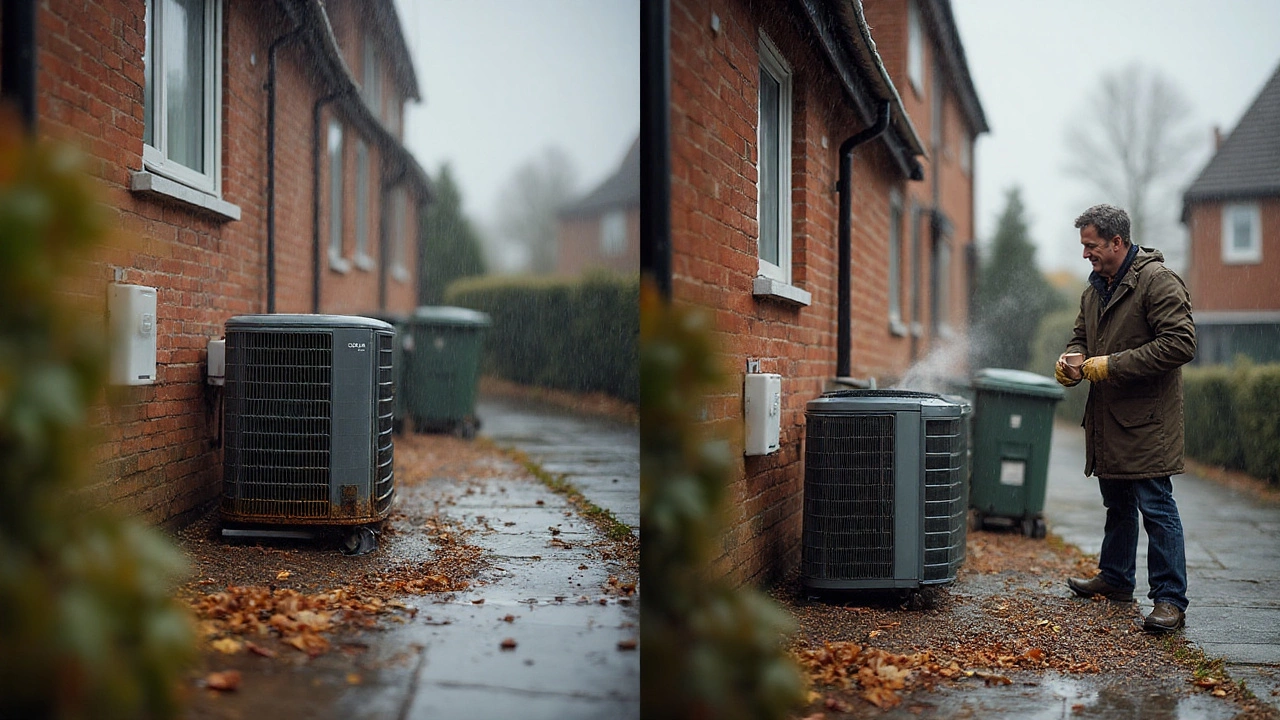
Real UK lifespan for air vs ground source heat pumps, what shortens or extends life, maintenance steps, and a simple repair-or-replace guide you can actually use.

When facing a broken boiler, many homeowners find themselves debating the merits of repairing versus replacing. Considering factors like costs, age of the boiler, frequency of issues, and energy efficiency can help make an informed decision. Exploring repair benefits as a cost-saving solution might be worthwhile for some, while others may find replacement offers better long-term advantages. Understanding your system's specific needs ensures optimal performance during the colder months.

Struggling with a troublesome boiler? Discover the most frequent issues like lack of heat, strange noises, and leaking water. Learn practical tips and tricks on how to diagnose and fix these problems on your own. Recognize when it's time to call a professional and keep your home warm and comfortable.

Extractor fan acting up? If you’re wondering who handles extractor fan replacement, this article breaks it down. Learn the difference between calling a pro and tackling it yourself, get tips on when to fix or swap out a fan, and find out what skills and tools make the job smooth. Real, practical advice from someone who's been around finicky fans and quick fixes. Don’t let poor ventilation keep bothering you—get the facts and decide what works best.
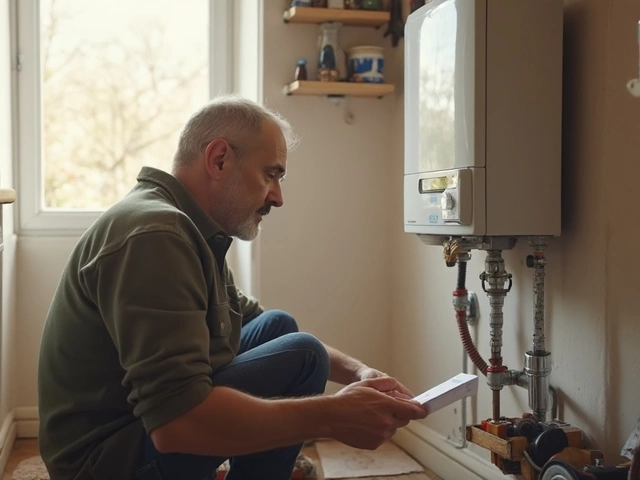
Thinking about handling your own boiler service? Get the truth about what you can and can’t do, why safety matters, and which tasks are okay for homeowners. This article covers legal restrictions, common mistakes to avoid, and practical tips for everyday boiler care. Learn how to spot problems early and when it's really time to call a pro. Save yourself headaches, money, and maybe even a major disaster by knowing the facts.

A practical guide for diagnosing common refrigerator problems, spotting signs of faults, and fixing them at home with tips and real-world facts.