

Most of us try to fix small plumbing hiccups ourselves, but some problems need a professional fast. Ignoring them can lead to water damage, higher bills, and even mold. So, how do you know when it’s time to hang up the wrench and call a plumber?
Steady water stains or damp patches. If you see brown spots on walls, ceilings, or floors, water is likely seeping behind the surface. The source could be a hidden pipe leak that only a plumber can locate and repair.
Sudden loss of water pressure. A big drop in pressure across all taps often means a burst pipe or a serious blockage in the main line. Turning the taps on and off won’t fix it; you need a professional to diagnose the issue.
Continuous running toilet. A toilet that never stops running wastes dozens of gallons a day and spikes your water bill. The flapper or fill valve may be broken, and a plumber can replace the part quickly.
Clogged drains that won’t clear. If a sink, tub, or shower drain stays slow after trying a plunger or chemical cleaner, the blockage might be deeper than a surface clog. A plumber has tools like a drain snake or hydro‑jet to clear it without damaging pipes.
Unusual noises. Gurgling, banging, or whistling sounds from pipes often indicate air trapped in the system or a loose pipe. These noises can turn into leaks if not addressed.
Turn off the main water supply if you suspect a major leak. This stops further damage and makes the plumber’s job easier.
Gather information: note the exact location of the problem, when it started, and any recent work or renovations. The more details you give, the quicker the plumber can pinpoint the issue.
Clear the area around the affected fixture. Move furniture, rugs, and valuables away so the plumber has room to work and you avoid additional water damage.
Check for simple fixes you might have missed. Sometimes a loose faucet handle or a clogged aerator is the culprit. If you’ve already tried these, let the plumber know.
Finally, keep an eye on your water meter. If the reading keeps climbing while everything is off, you likely have a hidden leak that needs immediate attention.
Knowing these signs helps you avoid costly repairs and keeps your home safe. When in doubt, give a licensed plumber a call – it’s better to be safe than sorry.
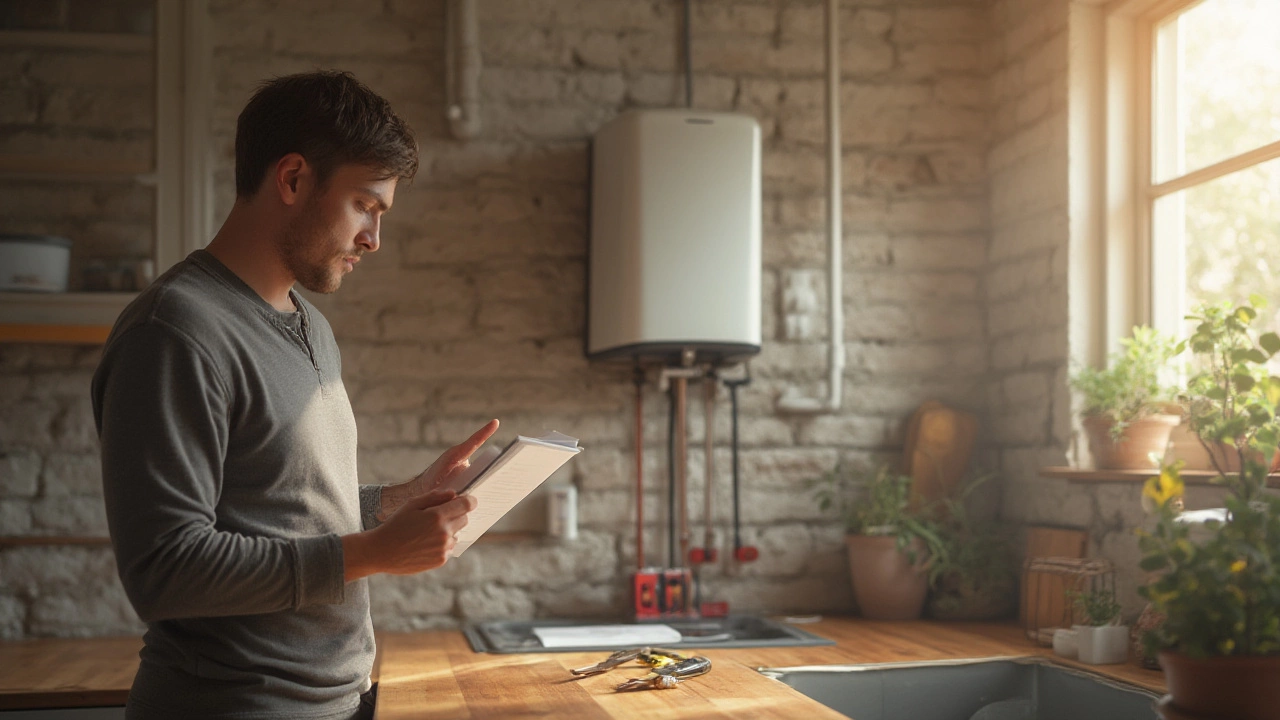
Thinking of fixing your own water heater? Learn when DIY is safe, common problems, money-saving tips, and when to call a pro.

Pressure cookers can usually be repaired, and fixing them at home can save both time and money. This article covers how to spot common problems, which parts can be replaced, and when to leave repair jobs to the pros. You'll also find smart tips to keep your pressure cooker running safely. Even if you're not a 'handy' person, a lot of repairs are easier than you’d think. Don't toss out that pressure cooker until you know what can actually be fixed.
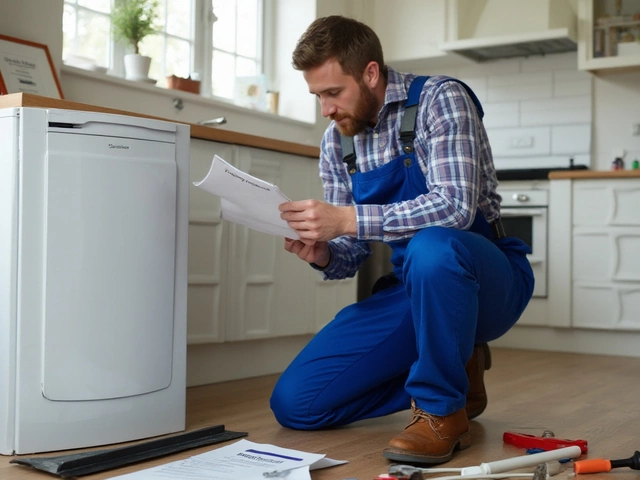
Plumbers are often the go-to professionals for a wide range of home repairs, but when it comes to boilers, it's essential to know their scope of work. This article delves into whether plumbers can actually handle boiler installations and replacements. You'll uncover what specific skills and certifications are required for boiler work, why hiring a specialized heating engineer may be recommended, and the potential risks of using underqualified technicians. Whether you're considering a new boiler or need an existing one serviced, understanding who is best suited for the task is crucial.
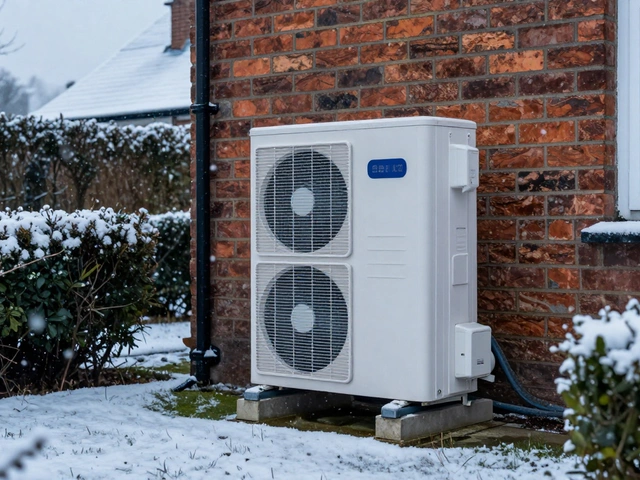
Discover real heat pump repair costs in the UK for 2026. Learn which faults are expensive, how maintenance saves money, and when to replace vs repair your system.
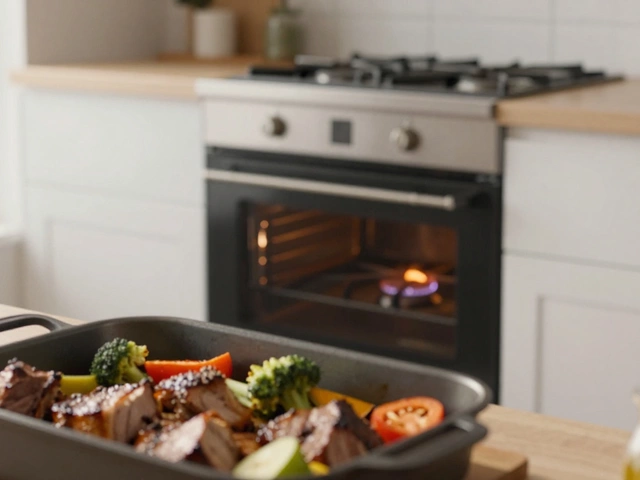
Can your gas oven be fixed? Learn which common parts like igniters and thermostats fail, when to DIY, and when to call a Gas Safe professional for safety.

Is your heat pump running but not cooling your home? Learn the real causes, expert troubleshooting tips, and practical solutions to get your comfort back.