

Cold showers are a pain, especially when you’ve got work or kids waiting. Before you call a plumber, try a few simple checks. Most water‑heater problems are easy to spot and even easier to fix.
First, make sure the power or gas is on. Electric heaters need a functioning breaker; a tripped switch will stop heating right away. For gas units, check the pilot light – if it’s out, the heater won’t fire.
Next, look at the thermostat. Set it between 120‑140°F (49‑60°C). If it’s too low, the water will feel lukewarm. A faulty thermostat can also send wrong signals, so adjust it and see if the water warms up.Another frequent culprit is sediment buildup. Over time, minerals settle at the bottom of the tank and act like insulation, preventing the burner from heating the water efficiently. If your water feels a bit cloudy or you hear rumbling noises, it’s likely time to flush the tank.
Leaking or corroded anodes can also cause loss of heat. The anode rod protects the tank from rust; when it’s worn out, the heater works harder and may overheat, then shut off.
Start by resetting the unit. Most electric heaters have a reset button near the thermostat – press it firmly. For gas models, turn the gas valve off for a minute, then relight the pilot following the manufacturer’s instructions.
If the breaker tripped, flip it back on. If it trips again, the heating element may be shorted, and that’s a sign you need professional help.
Flushing the tank takes about an hour and only needs a garden hose. Turn off the heater, attach the hose to the drain valve, open the valve, and let the water run until it’s clear. Close the valve, refill, and turn the heater back on.
Check the temperature setting and raise it a few degrees if needed. While you’re at it, feel the tub’s outer surface – if it’s extremely hot, the thermostat may be stuck and you should schedule a service.
Finally, listen for strange noises. Banging or popping usually means mineral buildup. If flushing doesn’t help, the heating element or burner may need replacement, which is best left to a qualified technician.
When you’ve tried power, pilot, reset, thermostat, and flushing, but the water is still cold, call a professional. Persistent issues could mean a cracked tank, bad heating element, or a gas safety problem that requires certified expertise.
Regular maintenance can keep your water heater running for years. Aim to flush the tank once a year, test the pressure‑relief valve, and inspect the anode every two years. A little routine work saves you from sudden cold showers and costly repairs.
Bottom line: most water‑heater woes are simple to diagnose and fix. Give these steps a go, and you’ll likely be back to warm showers in no time. If not, a qualified repair service will have you sorted quickly and safely.
Find out why your hot water vanished, walk through quick DIY checks, learn simple fixes, and know when to call a professional for reliable heat restoration.
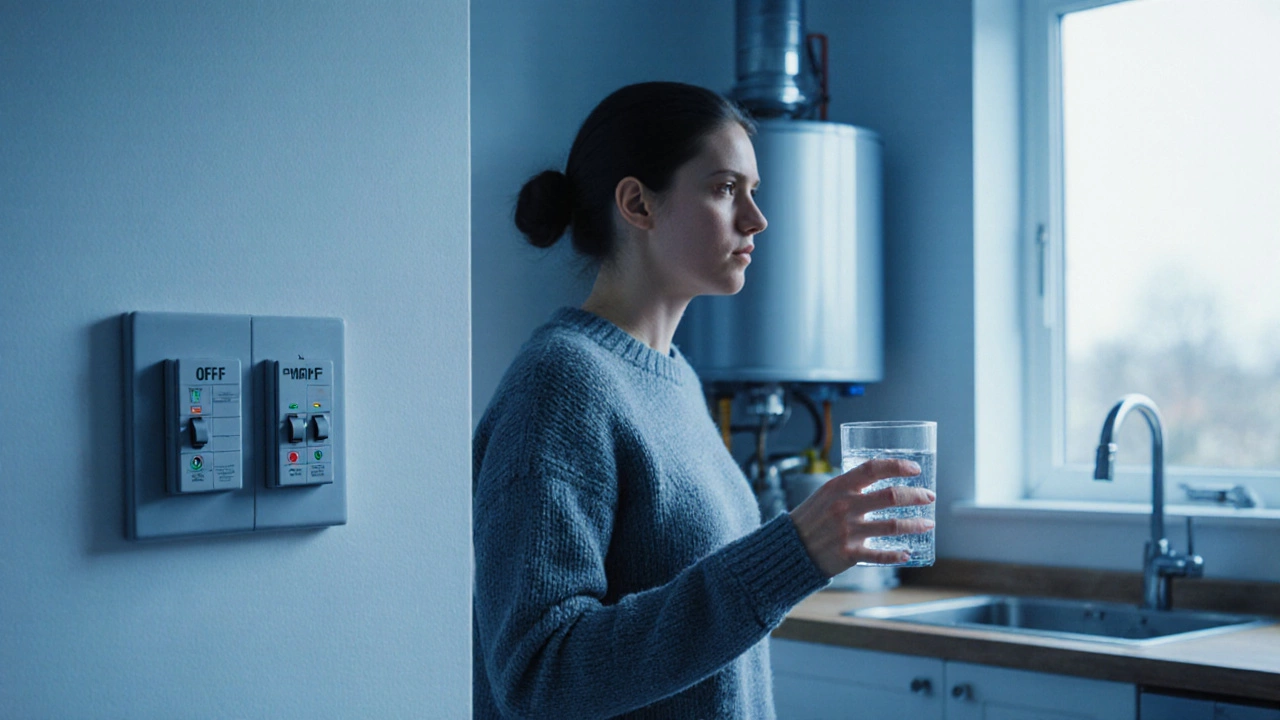
Learn fast DIY steps to diagnose and fix a non‑working water heater, plus safety tips, maintenance advice, and when to call a professional.
Wondering why your water heater keeps needing a reset before you get hot water? Learn the real reasons, what you can safely check, and when it’s time to call for help.

Ever got frustrated with cold showers while waiting for your hot water heater to get fixed? This article breaks down how long it really takes to repair different types of water heaters, from common issues you can fix yourself to problems that call for a pro. You'll learn what affects the repair timeline, plus some quick tips to speed things up. No more second-guessing if you’ll be stuck with icy water all day. Get the facts so you can plan around your next repair.
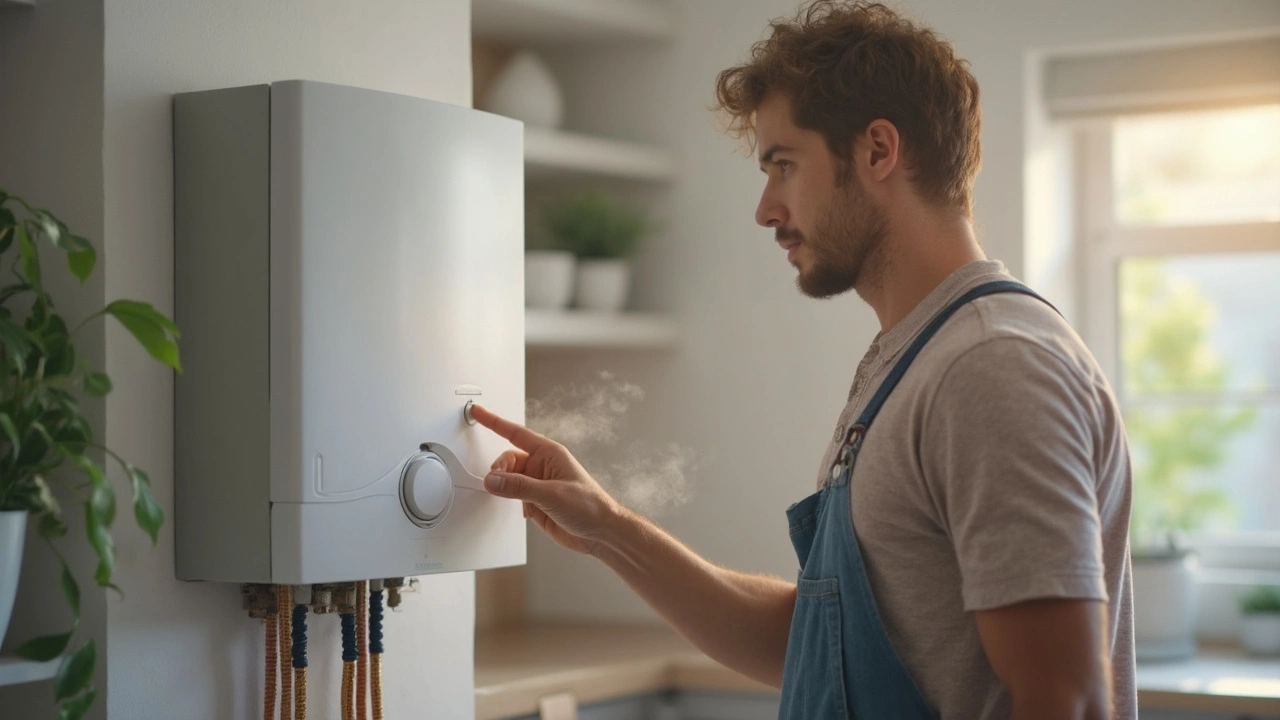
Dealing with a water heater that keeps tripping can be a headache—hot water one minute and a cold shower the next. This article breaks down the most common reasons for this irritating problem, giving you clear steps for figuring out if it’s a simple DIY fix or if you should call in a pro. You’ll get straight talk, not complicated jargon or long-winded explanations. Learn what to check, what parts usually fail, and when your water heater might just be on its last leg. Get the confidence to handle the problem and save yourself a ton of hassle.
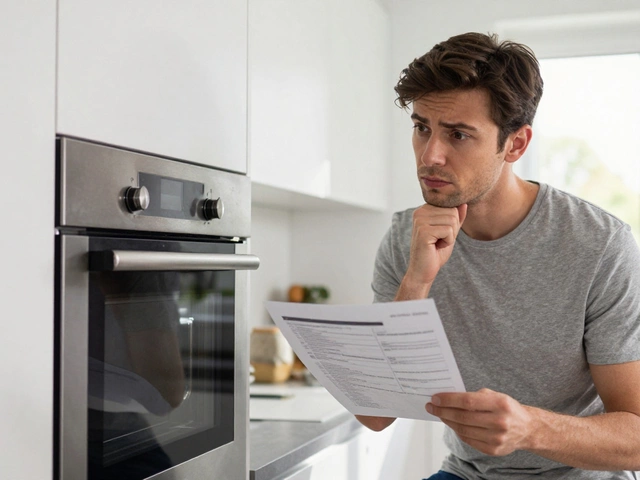
Deciding whether to fix or replace a 10-year-old oven? We break down the costs, energy savings, and key factors to help you make the right choice for your kitchen and budget.
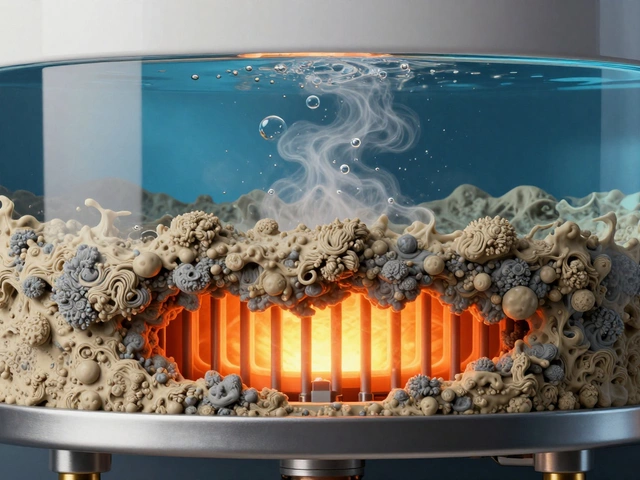
Discover the most common hot water heater problems, including sediment buildup, pilot light failures, and leaks. Learn how to diagnose issues, perform maintenance, and extend your unit's lifespan.

Thinking about ditching your gas appliances? This article breaks down the real pros and cons of keeping or replacing things like your gas stove, water heater, or furnace. Learn how safety, repair costs, and future-proofing your home play into this decision. There are lots of myths out there and we’ll sort out the facts. You'll also pick up practical tips on making the best choice for your budget and home. Let's cut through the noise and find out what really matters for your gas appliances.
Discover how long pressure cookers last, comparing stovetop vs electric models. Learn signs of wear, repair options, and maintenance tips to extend lifespan safely.
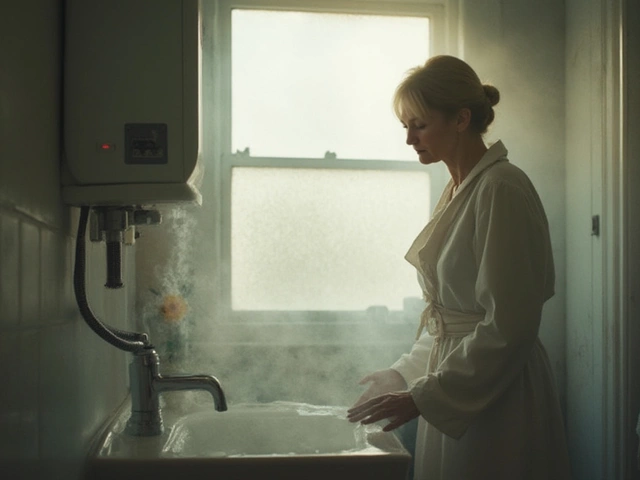
Wondering why your water heater keeps needing a reset before you get hot water? Learn the real reasons, what you can safely check, and when it’s time to call for help.