

When the shower runs hot and the kettle whistles, you probably take it for granted. But a water heater that’s not safe can turn a simple morning routine into a costly nightmare. Below are the practical steps you can take right now to protect yourself, your family, and your wallet.
First thing’s first – learn to read the clues. If you notice cold showers, strange noises, or a faint rust smell, something’s off. Those signs often mean a failing heating element, sediment buildup, or a loose connection. Our guide "Hot Water Not Working? Top Reasons and Fixes for Cold Showers" breaks down each symptom and the quickest DIY checks you can do.
Another red flag is the frequent need to reset the unit. The post "Common Reasons Why You Keep Resetting Your Water Heater" explains why repeated resets point to overheating, a faulty thermostat, or a broken pressure valve. Ignoring the reset loop can lead to leaks or, in worst‑case scenarios, an explosion.
Regular upkeep is the cheapest insurance policy. Flushing the tank removes mineral deposits that cause corrosion and reduce efficiency. Our step‑by‑step article "How Often Should You Flush Your Water Heater?" shows you how to do it in under an hour with just a garden hose and a bucket.
While you’re at it, check the anode rod every year. A worn‑out rod stops the tank from rusting from the inside out. Replacing it is easy and usually costs less than £30. When you replace the rod, you also get a chance to inspect the tank for leaks or rust spots.
Don’t forget the safety valve. Lift the test lever once a year; you should hear a short burst of water. If the valve doesn’t release, replace it immediately – a stuck valve is a leading cause of water‑heater explosions.
Finally, keep the area around the heater clear. No flammable items, no clutter. Good ventilation helps the unit stay cool and reduces the chance of overheating.
By following these simple habits, you’ll extend the life of your heater, keep your energy bills low, and most importantly, stay safe.
Need more specific advice? Check out related posts like "How Long Can a Hot Water Heater Last? The Truth About 30‑Year Water Heaters" for lifespan expectations, and "Water Heater Reset" for troubleshooting tricks you can try before calling a professional.
When in doubt, call a qualified technician. A licensed repair person can spot hidden issues, test the thermostat, and ensure the unit complies with local safety regulations. Trust us – spending a little on a professional check now beats a costly flood later.
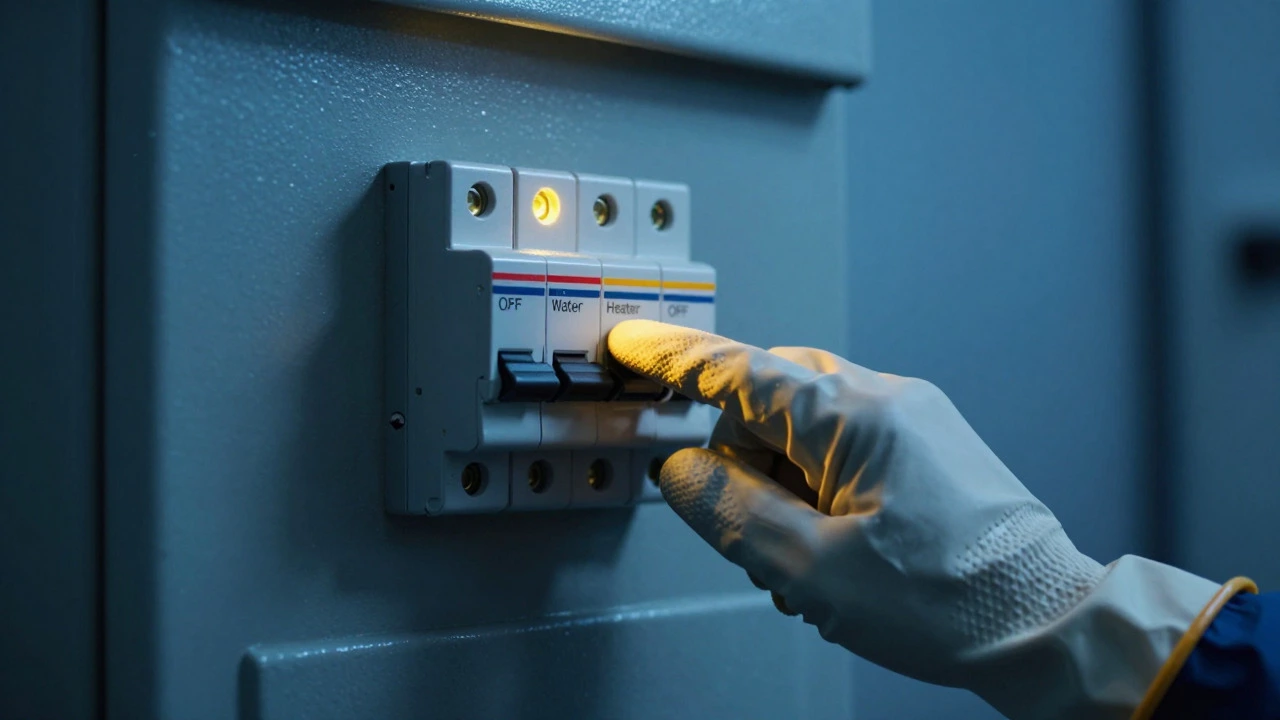
Learn if you need to turn off the breaker to reset a water heater. Step-by-step safety guide for electric and gas models, troubleshooting tips, and when to call a pro.
Thinking of fixing your own water heater? Learn when DIY is safe, common problems, money-saving tips, and when to call a pro.
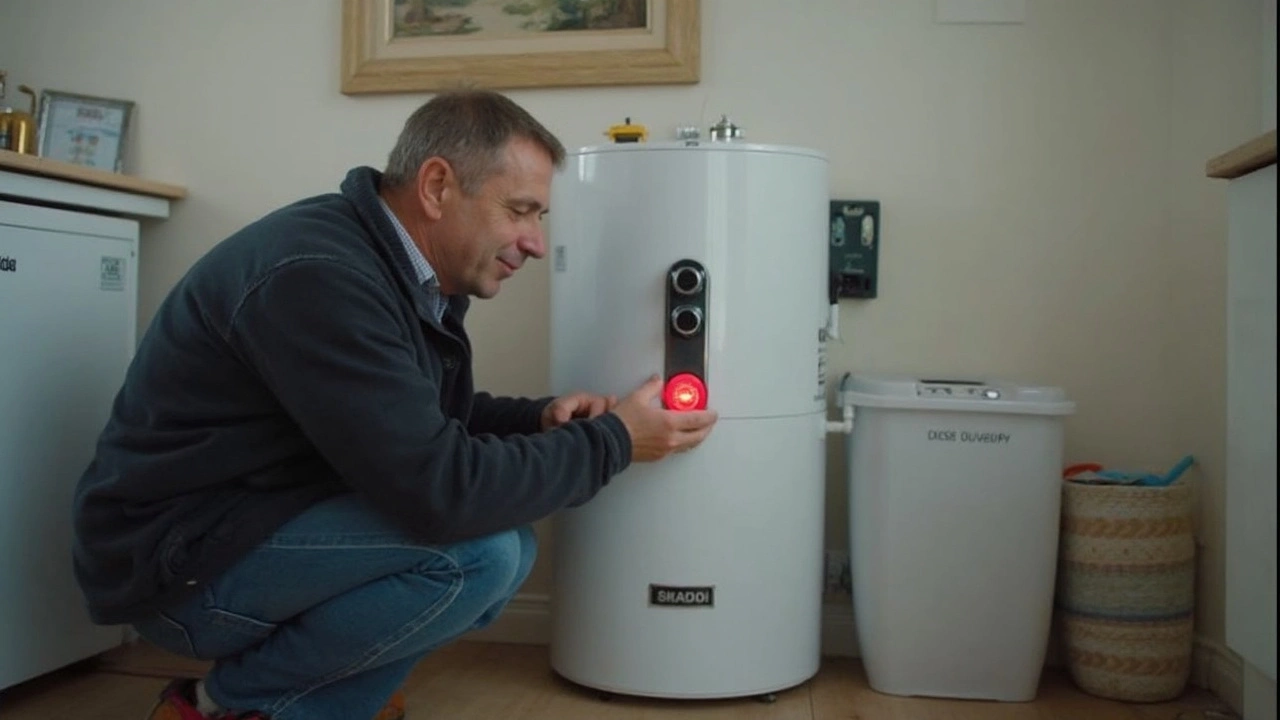
Ever wondered why you end up pushing that red reset button on your water heater over and over? This article digs into exactly what the reset button does, why it keeps tripping, and what can go wrong if you keep hitting it. Get clear answers about hidden water heater issues and learn simple steps to protect your system—and your wallet. We’ll walk you through warning signs, smart troubleshooting tips, and when it’s time to call a pro. No tech jargon, just straight talk for anyone tired of cold showers.
Wondering how long a washing machine should actually last? This article breaks down real averages, points out what causes washers to wear out, and shows simple ways to get more years out of your machine. We’ll look at red flags for replacement, compare old versus new models, and clear up some common myths about washers. If you want your next laundry day to go smoothly—or you’re tired of surprise breakdowns—this guide’s for you.
Learn how to tell if your cooker is broken by checking power, error codes, and symptoms like uneven heating or gas smells. Get practical tips for DIY fixes and know when to call a professional.

Struggling with an electric oven that isn't doing its job? This article guides you through common problems you might face with your electric oven, from strange noises to uneven cooking. You'll learn specific symptoms to watch for and practical ways to check what's wrong before calling a professional. Discover tips to keep your oven running smoothly and avoid kitchen headaches. No complicated jargon—just real advice that actually works.

Curious if you can fix your dishwasher without calling a pro? This article breaks down the most common dishwasher problems and explains which repairs you can actually do yourself. We’ll cover how complicated these appliances really are, how to figure out what’s wrong, the tools you’ll need, and which jobs might leave you better off calling an expert. Get practical tips, interesting facts, and a clear picture of what you’re actually signing up for before grabbing that toolbox.

Discover the workings of a hob, a crucial kitchen fixture that often gets overlooked until it malfunctions. Learn the common issues that can affect its performance and get handy tips on basic repairs and maintenance. Whether you're dealing with burner problems or electrical faults, this guide provides practical advice to keep your hob in top shape. Understand the typical lifespan of these appliances and how to extend it through regular care.