

If your washer is making weird noises, leaking, or just not cleaning like before, you don’t have to panic. A few simple checks and regular habits can sort most issues and add years to the machine’s life. Below are the most useful tricks that anyone can try without calling a pro.
1. Stubborn odors. Build‑up of detergent residue and mildew causes that musty smell. Run a hot water cycle with two cups of white vinegar, then follow with a half‑cup of baking soda. Wipe the door seal afterwards and leave the door open to dry.
2. Water won’t drain. Check the pump filter (usually behind a small door at the front bottom). Unscrew, pull out, and clean out lint, coins, or hair. If water still pools, the hose might be kinked – straighten it and make sure the standpipe is at least 30 cm high.
3. Drum spins loudly. Loose objects like coins or small garments can bounce inside. Open the drum, feel for anything rattling, and remove it. If the noise persists, the drum bearings may need lubrication – a quick pour of silicone spray can hush the squeal.
4. Excessive vibration. An unbalanced load or uneven floor are usual suspects. Redistribute the clothes, use the machine’s “spin speed” setting for bulky items, and place a leveler pad under each corner. Tightening the four screws that hold the motor to the cabinet can also help.
5. Leaking water. Look at the door gasket for cracks or debris; wipe it clean and replace if damaged. Also inspect the hoses at the back – old hoses can split. Swapping them for new reinforced ones is cheap and stops most leaks.
Cleaning the detergent drawer every month prevents clogs that cause suds overflow. Use a toothbrush and warm soapy water, then dry it thoroughly.
Run a maintenance cycle with a commercial washing‑machine cleaner or a cup of bleach once a quarter. This removes hidden mold and mineral deposits that strain the motor.
Check the water inlet filters (the tiny screens inside the inlet valves). If they look dirty, turn off the water, remove the hoses, and rinse the screens under running water.
Never overload the drum. A full but not packed load lets water circulate properly and reduces wear on the suspension system.
Finally, keep the machine level and away from direct sunlight. Heat can warp plastic parts and cause early failures.
By doing these checks regularly you’ll catch small issues before they turn into expensive repairs. Your washer will stay efficient, your clothes will stay cleaner, and you’ll avoid unnecessary service calls.

Wondering how long a washing machine should actually last? This article breaks down real averages, points out what causes washers to wear out, and shows simple ways to get more years out of your machine. We’ll look at red flags for replacement, compare old versus new models, and clear up some common myths about washers. If you want your next laundry day to go smoothly—or you’re tired of surprise breakdowns—this guide’s for you.
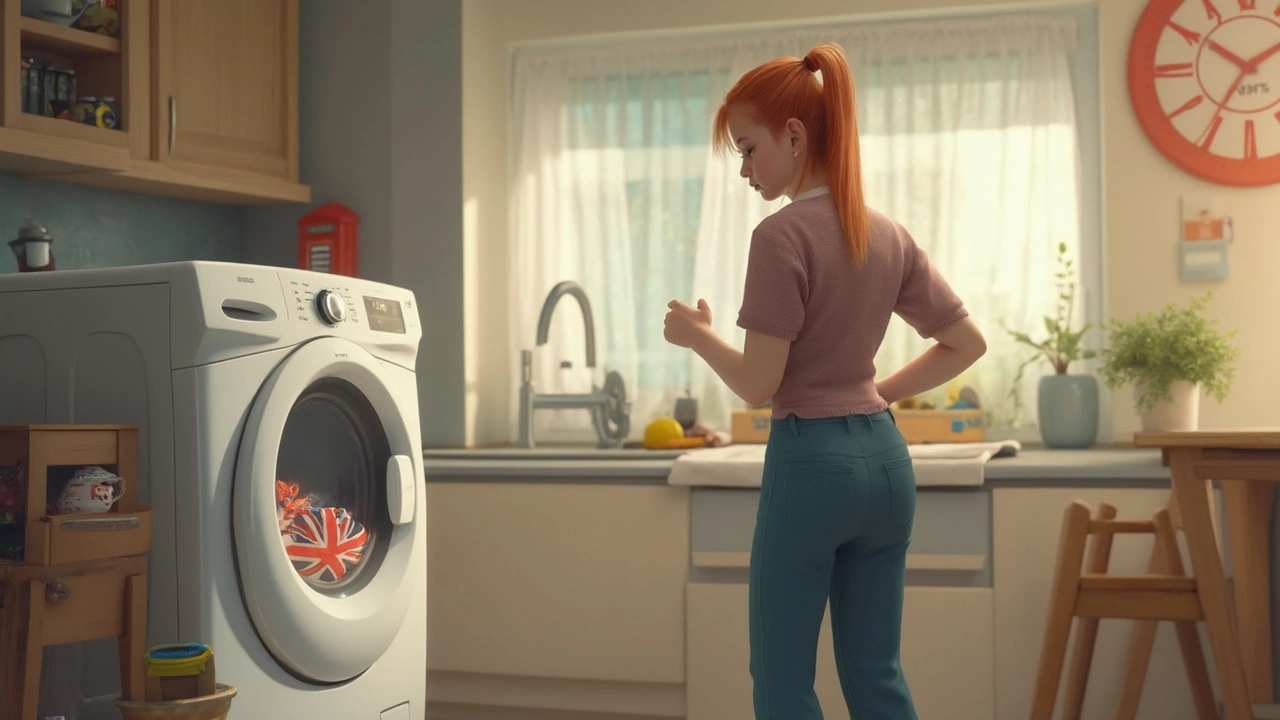
Ever found yourself standing in front of a stubborn washing machine that just won’t cooperate? It can be frustrating, right? This practical guide walks you through the simple steps to reset your washing machine, saving you from unnecessary headaches. From spotting common issues to quick fixes, you'll find all you need to get your washer back on track.
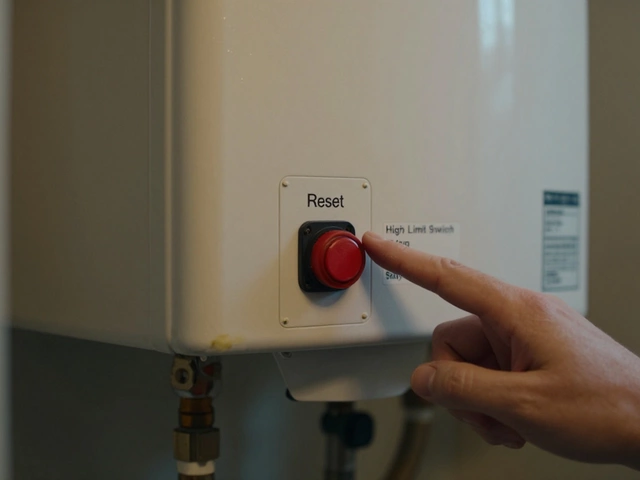
Discover why your hot water heater's reset button keeps tripping. Learn about failed thermostats, shorted elements, and sediment buildup, plus step-by-step fixes.

Thinking about swapping out your extractor fan? This article breaks down when you really need a licensed electrician and when you might handle it yourself. Learn what risks and rules are involved, plus some practical tips for a painless install. Get clear answers on costs, permits, and what can go wrong if you take shortcuts. If you want fast, safe, and lasting results, this guide walks you through everything step-by-step.
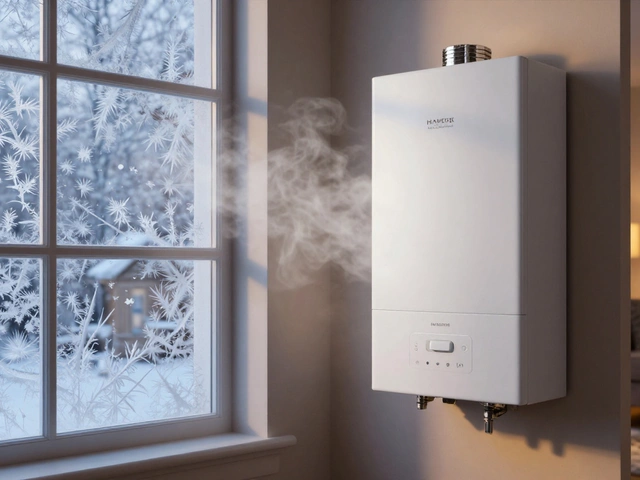
Boiler repair costs in 2026 range from £80 to £1,500 depending on the fault. Learn average prices for common fixes, hidden fees, and when to repair versus replace your boiler.
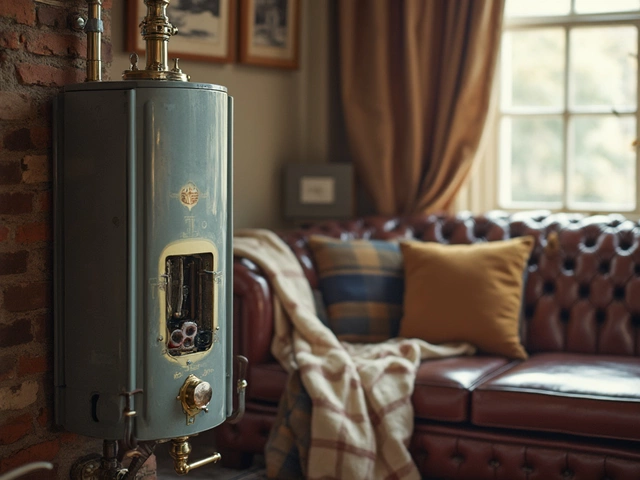
Water heaters don't last forever, so it’s important to know how long yours might stick around. Generally, these devices are built to last about 8 to 12 years, but several factors can influence their longevity. By understanding signs of wear, maintenance tricks, and when it's time to say goodbye to your old model, you can ensure hot showers won't become a thing of the past. Let's break down everything you need to know about your water heater's lifespan.
Wondering if you can flush your water heater yourself? Learn the step-by-step process, tools you'll need, and expert tips to extend your water heater's life.