

If your washer has stopped spinning, leaking, or making weird noises, you’re probably wondering how much fixing it will set you back. The good news is you don’t have to guess – we’ll break down the usual price range, what makes the bill go up or down, and how you can keep the cost low.
First off, the type of problem matters a lot. A simple part swap, like a broken belt or a faulty door latch, often costs between £50 and £120 including labour. More complex issues, such as a broken motor, electronic control board, or water pump, can push the bill to £150‑£250. If the fault is a leak caused by a cracked tub, you might be looking at £200‑£300 because the part itself is pricey and the job takes longer.
Brand and model also play a role. Popular brands such as Bosch, Samsung, or AEG usually have parts that are easy to find, keeping prices down. Lesser‑known or older models may need a special‑order part, which adds a few extra pounds and can delay the repair.
Age of the machine is another clue. A washer that’s 10‑12 years old is more likely to have multiple worn‑out components, so an electrician might suggest a full overhaul. In those cases, the total cost could approach the price of a new machine, making replacement a smarter move.Location matters too. Local technicians in Bognor Regis often charge a call‑out fee of £30‑£40, which is usually deducted from the final bill if you go ahead with the repair. That fee covers travel time and a quick diagnosis.
Lastly, the time of year can affect price. Peak seasons (winter months when appliances are used heavily) may see slightly higher rates due to demand, while some companies offer off‑season discounts.
Start with a quick check before you call anyone. Look for obvious issues: a blocked filter, loose hoses, or a jammed door latch. Cleaning the filter often solves drainage problems and saves a call‑out fee.
Get at least two quotes. Most local repair shops will give a free estimate after a brief phone chat. Compare what’s included – labour, parts, warranty – and choose the one that offers the best value, not just the lowest price.
Ask about a warranty on the repair. A reputable Bognor Regis service will stand behind their work for at least three months. That protects you if the same part fails again soon after.
Consider a ‘fix‑it‑yourself’ option for minor faults. Replacing a belt or a pump yourself can cost under £30 for the part alone. You’ll need basic tools and a short how‑to video, but it can be worth the effort if you’re handy.
Schedule regular maintenance. A quick annual check – cleaning the drum, confirming the hoses are tight, and running a test cycle – can catch wear before it turns into a costly breakdown.
Finally, think about the cost‑to‑replace ratio. If the repair quote is more than half the price of a new, energy‑efficient washer, it’s probably smarter to buy new. New machines use less water and electricity, saving you money each year.
Bottom line: most washing machine repairs in Bognor Regis sit between £50 and £250, depending on the fault, brand, and age. Do a quick self‑check, shop around for quotes, and keep an eye on warranties to get the best deal.
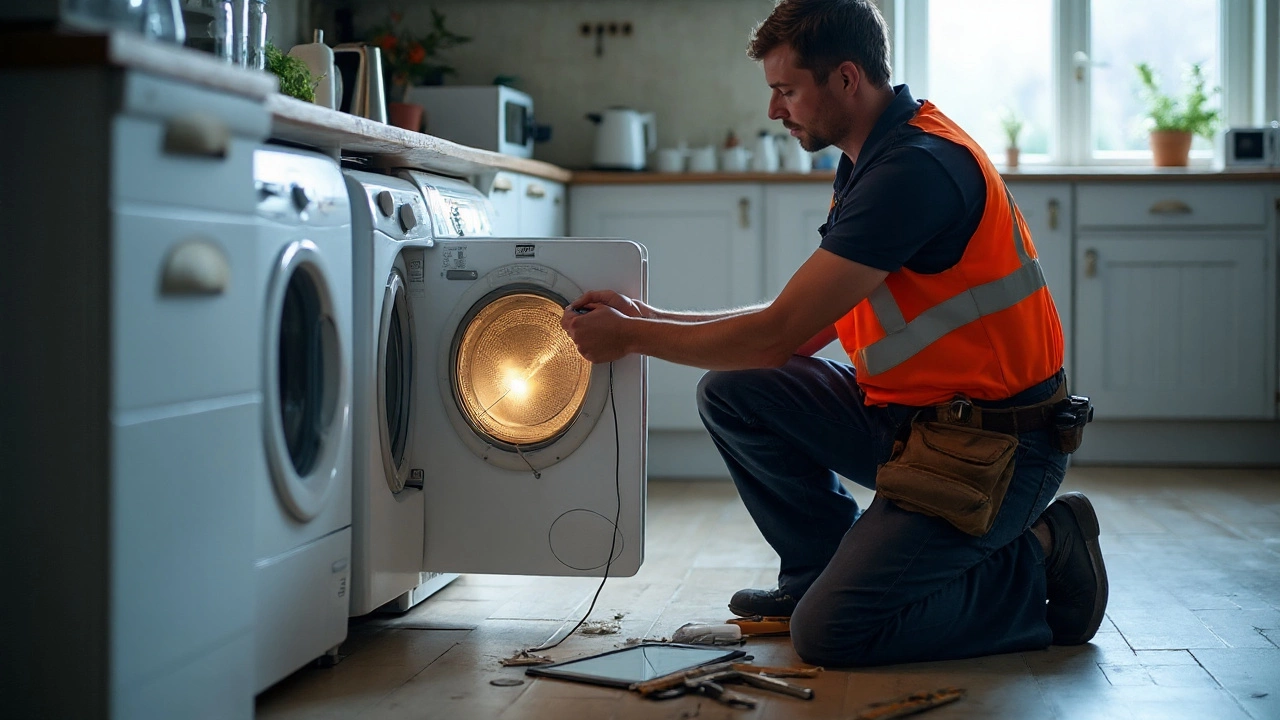
Front-load tub/drum assemblies and top-load transmissions are usually the priciest washer repairs. See real costs, how to diagnose, and when to fix or replace.
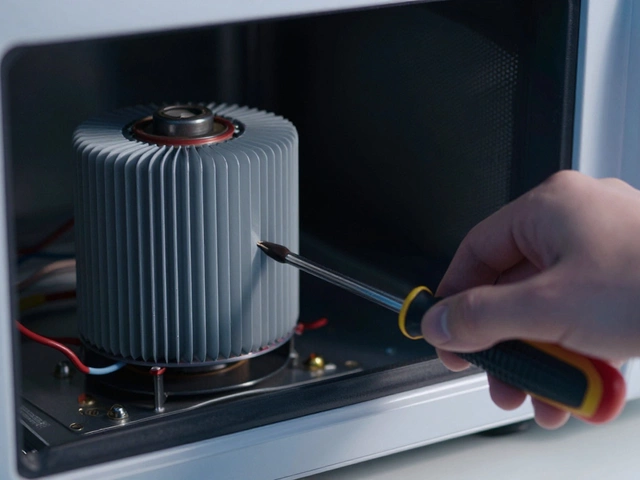
Fixing your own microwave might seem easy, but the high-voltage capacitor inside can deliver a lethal shock-even when unplugged. Here's why DIY repairs are dangerous and what you should do instead.

Ready to buy a new dishwasher? Check this guide for 2025's most unreliable dishwasher brands, stories you won't believe, and tested buying tips no one else will give you.
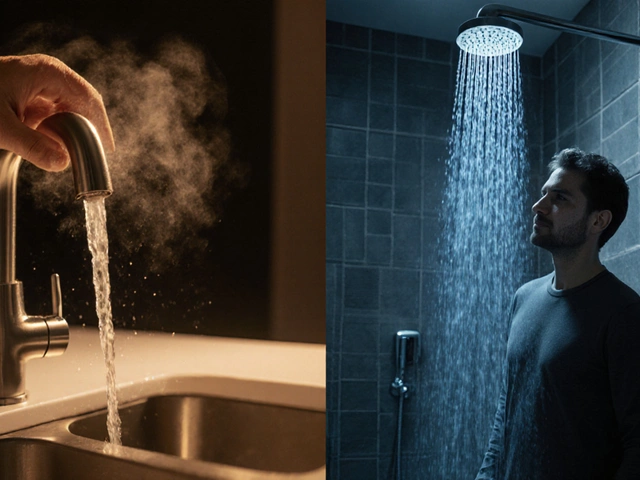
Discover why hot water reaches your sink but not the shower, learn the common causes, DIY fixes, and when to call a plumber for a reliable solution.
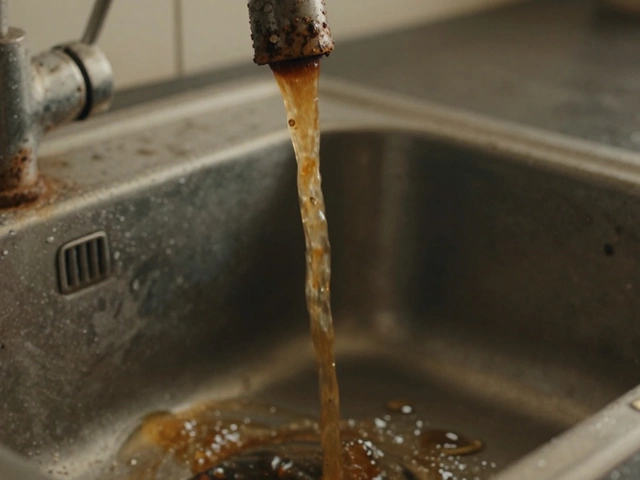
Watch for rusty water, leaks, strange noises, or no hot water-these are clear signs your water heater is failing. Age, higher bills, and bad smells mean it’s time to replace it before it breaks down.
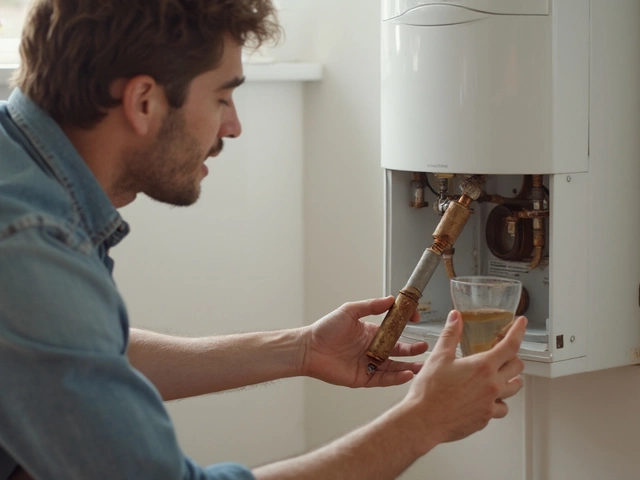
Not sure if your water heater's anode rod is shot? This article breaks down the telltale signs that your anode rod is past its prime, from weird smells to rusty water. Find out how long these rods actually last, why they're so important, and how to check them yourself. With some simple tips, you'll spot trouble before it wrecks your tank. Get the facts so you can keep hot water flowing without a nasty surprise.