

If your washer has been in the house for years, you’ve probably noticed louder spins, longer cycles, or water leaking. An old machine can still be useful, but it also costs more to run and can break down at the worst moments. This guide shows you how to spot the tell‑tale signs of a tired washer, what fixes you can try yourself, and when it’s smarter to call a pro or buy a new one.
1. Leaking water. Small drips at the door seal or big puddles from the bottom usually mean seals or hoses are worn out. Look at the rubber gasket around the door – if it’s cracked or lint‑filled, replace it.
2. Loud or rattling noises. A thumping drum often points to broken suspension springs, worn bearings, or foreign objects stuck in the pump.
3. Excessive vibration. If the machine shakes so hard you hear it in the kitchen, the leveling feet are probably out of adjustment or the shock absorbers have failed.
4. Long cycles and weak spin. A motor that struggles to reach full speed can be a sign of a failing drive belt or a burnt‑out motor winding.
5. Foul smells. Musty odors usually come from mold growing in the drum gasket or detergent drawer. A deep clean helps, but if the smell returns, the seal might be damaged.
Check the hoses. Turn off the water, disconnect the hoses, and look for cracks or bulges. Replacing a 5‑year‑old rubber hose costs less than $10 and can stop leaks instantly.
Clean the filter. Most front‑loaders have a pump filter behind a small door at the bottom. A clogged filter makes the washer stop draining and can cause leaks. Have a towel handy, open the door, twist the filter out, clean the debris, and screw it back.
Level the machine. Use a spirit level on the top of the washer. Adjust the four rubber feet until the machine sits flat. This reduces vibration and protects the motor.
Replace the door seal. If the gasket is cracked, pull it off, clean the groove, and snap a new one in place. It’s a quick job and saves you from water damage.
Test the drive belt. Open the back panel (usually a few screws) and inspect the belt for wear or slack. A new belt restores proper spin speed. If the motor still hums but won’t spin, the motor itself may need professional attention.
These fixes tackle the most common issues without a lot of expense or hassle. If you’ve tried them and the washer still misbehaves, it’s time to weigh repair against replacement.
Electrical problems, like a burnt‑out motor or control board, are risky to handle yourself. A qualified technician can diagnose the exact fault and give you a clear price. If the repair estimate is over half the cost of a new, efficient washer, replacement is usually the smarter move.
Modern washers use less water and energy, so even a modest price difference can add up in utility bills. Look for Energy Star models – they can save up to 30% on electricity compared to older units.
At Bognor Regis Appliance Repair Experts, we know the local costs and can give you an honest quote fast. Whether you need a quick seal swap or a full motor replacement, we’ll explain the options so you can decide what’s best for your budget.
Bottom line: an old washing machine isn’t automatically doomed. Spot the signs, try simple fixes, and get a professional opinion before spending big. With the right approach, you’ll either extend the life of your current washer or upgrade to a more efficient model without breaking the bank.
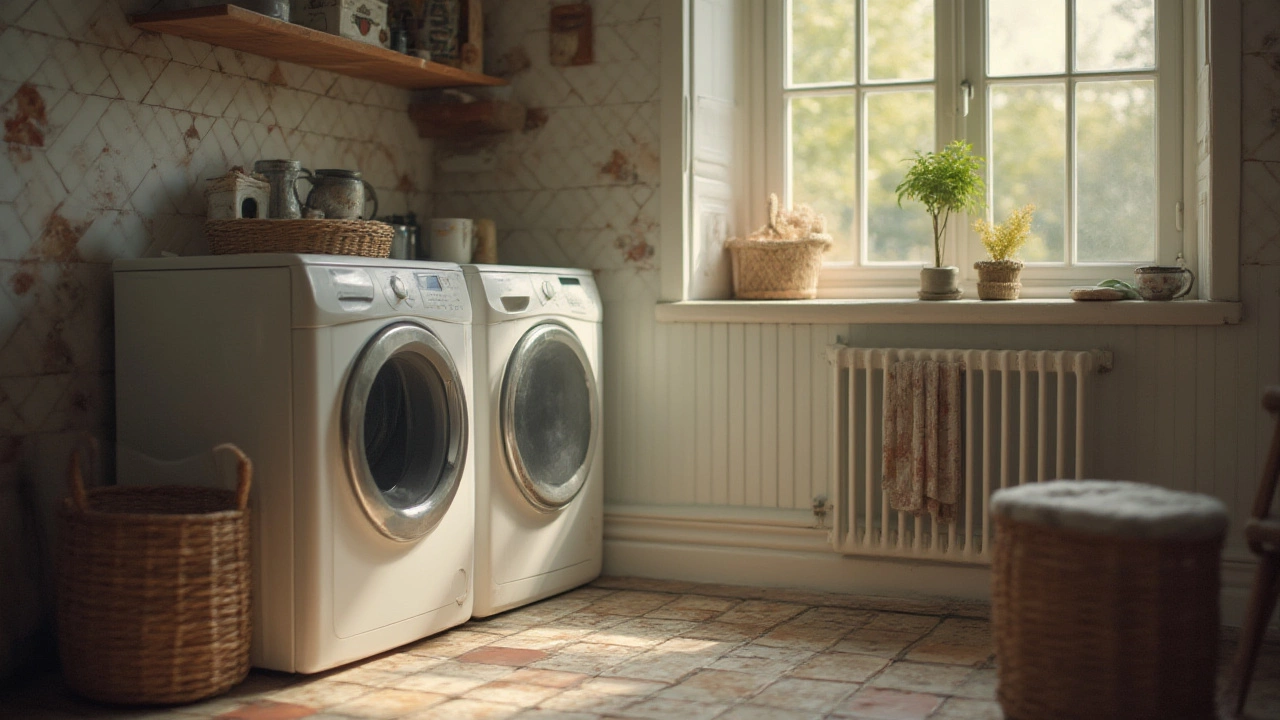
Is your washing machine considered old? Learn the real lifespan, signs it's aging, and pro tips to keep it running longer. Get real facts and advice from an expert.
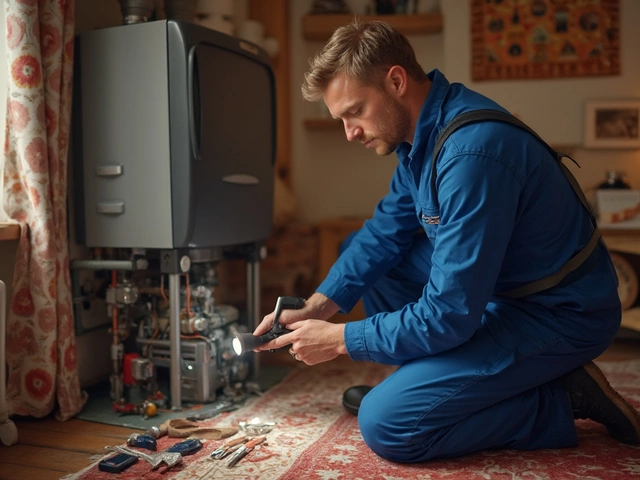
Regular boiler servicing is crucial to ensure safety and efficiency in home heating systems. A comprehensive service involves thorough inspections and cleaning, enhancing performance and extending the lifespan of the unit. Areas covered include checking the burner, inspecting the flue, and ensuring controls work correctly. Routine servicing helps prevent breakdowns and identifies potential issues early. Understanding what's involved can help homeowners make informed decisions and maintain reliable heating.

Discover the workings of a hob, a crucial kitchen fixture that often gets overlooked until it malfunctions. Learn the common issues that can affect its performance and get handy tips on basic repairs and maintenance. Whether you're dealing with burner problems or electrical faults, this guide provides practical advice to keep your hob in top shape. Understand the typical lifespan of these appliances and how to extend it through regular care.
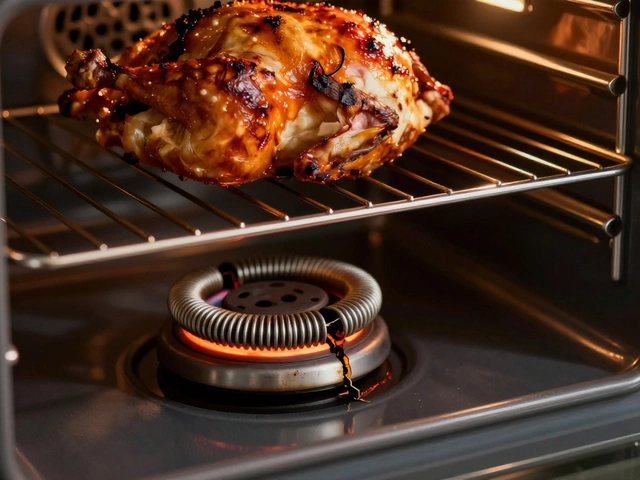
Discover if replacing your oven heating element is cost-effective compared to buying a new appliance. We break down repair costs, DIY steps, and signs of failure to help you decide.

A malfunctioning freezer can be a headache, particularly when it involves the compressor. Understanding whether it's worthwhile to replace a compressor requires consideration of several factors, including cost, age, and efficiency. This article breaks down the key elements for deciding if compressor replacement is the best route. With practical advice and insider tips, you'll gain clarity on making an informed decision for your appliance.
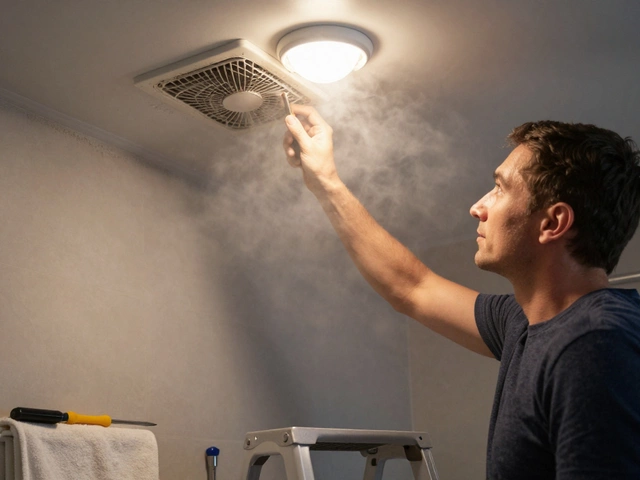
Replacing a bathroom extractor fan is often a simple DIY job that prevents mold and moisture damage. With the right tools and a little care, most homeowners can do it in under two hours. Learn how, what to buy, and when to call a pro.