

When dealing with UK water heater, a system that supplies hot water for showers, taps and appliances in homes across the United Kingdom. Also known as hot water heater, it is essential for daily comfort and influences energy bills. A electric water heater uses electric heating elements inside a sealed tank to raise water temperature and a gas water heater relies on gas combustion to heat water quickly. Both types water heater require a reliable power source, and each comes with its own set of control components. The water heater reset button acts as a safety valve that stops heating when temperatures get too high, protecting the unit from damage. In short, a UK water heater encompasses heating technology, safety mechanisms, and plumbing connections, while the reset button protects the system and the homeowner.
Homeowners often notice a loss of hot water, strange noises, or leaks. A common cause is a faulty thermostat, which can make the heater fail to reach the set temperature. Another frequent problem is sediment buildup; over time, minerals settle at the bottom of the tank, reducing efficiency and causing popping sounds. Flushing the tank every 12‑18 months improves performance and extends life. If you hear the reset button tripping repeatedly, it usually signals overheating, a blocked vent, or a failing heating element—situations that demand a professional eye. Regular maintenance includes checking the pressure‑relief valve, inspecting the anode rod for corrosion, and ensuring the vent pipes are clear. While DIY flushing and visual inspections are safe for most users, tackling the heating element or gas burner should be left to a certified engineer to avoid safety hazards.
Below you’ll find a curated collection of articles that dive deeper into each of these topics. From step‑by‑step reset guides and troubleshooting hot‑water‑only showers to cost breakdowns for boiler repairs, the posts cover electric and gas models, common failure signs, and when to call in an expert. Whatever stage you’re at—whether you’re trying to diagnose a cold shower or planning a full‑system upgrade—these resources will give you practical, actionable advice.
Find out why your hot water vanished, walk through quick DIY checks, learn simple fixes, and know when to call a professional for reliable heat restoration.
Learn how to troubleshoot a broken freezer step-by-step. From checking power sources to diagnosing defrost heaters, this guide helps you save food and money.
Most washing machines last 8-12 years, but signs like loud noises, leaks, or error codes mean it's time to consider repair or replacement. Learn how to extend its life and when it's better to buy new.
Plumbers are often the go-to professionals for a wide range of home repairs, but when it comes to boilers, it's essential to know their scope of work. This article delves into whether plumbers can actually handle boiler installations and replacements. You'll uncover what specific skills and certifications are required for boiler work, why hiring a specialized heating engineer may be recommended, and the potential risks of using underqualified technicians. Whether you're considering a new boiler or need an existing one serviced, understanding who is best suited for the task is crucial.
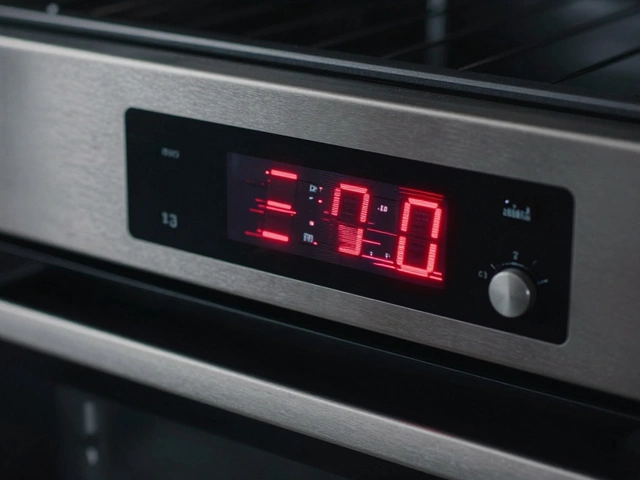
Learn how to identify a failing oven control board through specific signs like flickering displays, erratic heating, and error codes. Includes visual inspection tips, testing methods, and safety precautions for accurate diagnosis.
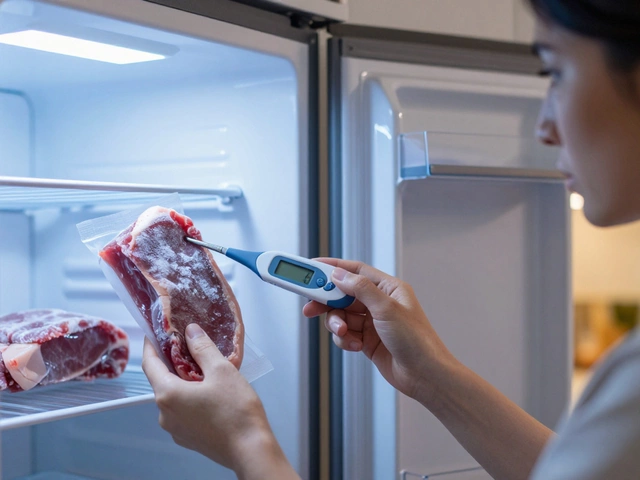
Find out if your food is safe after a freezer breakdown. Learn how long food stays cold, what to keep vs. toss, and essential steps to prevent waste and illness.