

If the lights flicker or a circuit breaker flips over every time you use a washing machine, fridge, or oven, you know the frustration. A tripping breaker isn’t just annoying – it can signal an overload, a short circuit, or a deeper electrical problem. The good news? Most causes are easy to spot and fix, and you don’t always need a full‑blown electrician visit.
1. Overloaded circuit – Plugging too many high‑wattage appliances into one outlet is the classic mistake. A washing machine plus a dryer on the same line can push the current past the breaker’s rating.
2. Faulty appliance – A failing fridge motor or a burnt‑out heating element can draw extra current, causing the breaker to shut down to protect the wiring.
3. Short circuit – When a live wire touches neutral or ground, it creates a direct path for electricity, instantly tripping the breaker. This often shows up as a spark or a burning smell.
4. Ground fault – Similar to a short, but the current leaks to the earth. Moisture in a dishwasher or a cracked cable can cause this.
5. Worn or old breaker – Breakers do degrade over time. If yours is decades old, it might trip even when the load is within limits.
Step 1: Reset and Observe
Flip the breaker fully to the OFF position, then back to ON. If it stays on, the issue was likely a temporary overload. If it trips again right away, move to the next step.
Step 2: Identify the Circuit
Check which outlets and appliances share the tripping breaker. Turn off or unplug everything on that line.
Step 3: Test One Appliance at a Time
Plug in the first appliance, then turn the breaker on. If it holds, add the next appliance. When the breaker finally trips, you’ve found the culprit.
Step 4: Inspect for Damage
Look at cords, plugs, and the appliance itself for signs of wear, burnt marks, or melted plastic. A damaged cord can cause a short.
Step 5: Check for Moisture
Appliances near water (dishwashers, washing machines) can develop moisture inside the plug or wiring. Dry everything thoroughly and try again.
Step 6: Call a Professional
If you’ve tried all appliances and the breaker still trips with nothing plugged in, the problem is likely inside the wiring or the breaker itself. This is where a qualified electrician – or a trusted appliance repair service like ours – steps in.
Remember, safety comes first. Never force a breaker back into place. If you ever see sparks, hear a buzzing sound, or smell burning, turn off the main power and call an expert immediately.
By following these quick checks, you can often pinpoint the issue and avoid costly service calls. But if the breaker keeps tripping despite your best effort, let Bognor Regis Appliance Repair Experts handle it. We know the local wiring standards, can test breakers safely, and will get your home back to full power without hassle.

Dealing with a water heater that keeps tripping can be a headache—hot water one minute and a cold shower the next. This article breaks down the most common reasons for this irritating problem, giving you clear steps for figuring out if it’s a simple DIY fix or if you should call in a pro. You’ll get straight talk, not complicated jargon or long-winded explanations. Learn what to check, what parts usually fail, and when your water heater might just be on its last leg. Get the confidence to handle the problem and save yourself a ton of hassle.
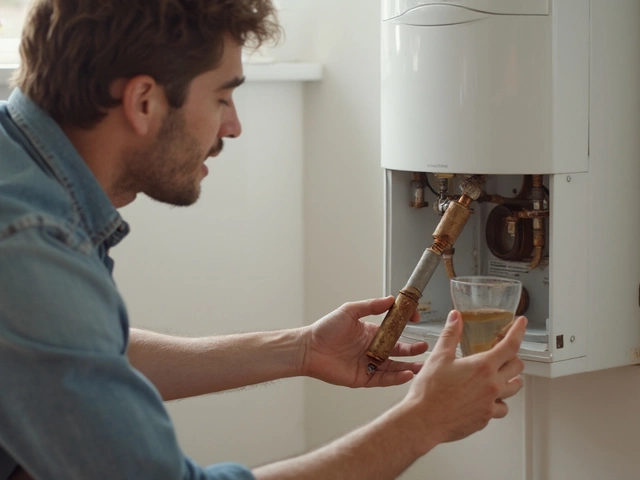
Not sure if your water heater's anode rod is shot? This article breaks down the telltale signs that your anode rod is past its prime, from weird smells to rusty water. Find out how long these rods actually last, why they're so important, and how to check them yourself. With some simple tips, you'll spot trouble before it wrecks your tank. Get the facts so you can keep hot water flowing without a nasty surprise.
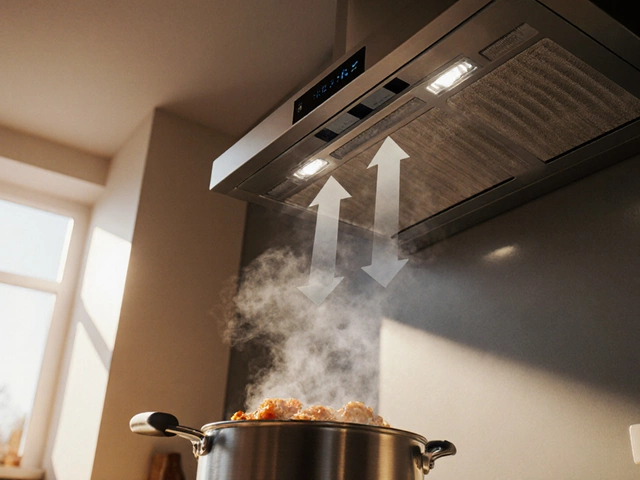
Find out if leaving your extractor fan on is safe, how much energy it uses, and the best practices to protect your home while keeping the kitchen fresh.
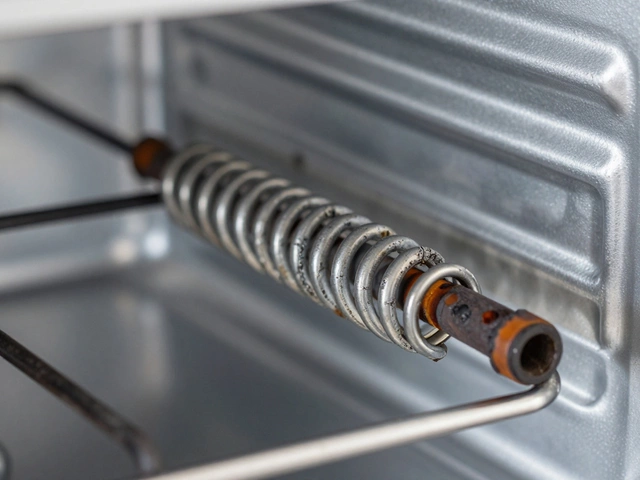
Find out exactly how much it costs to replace an oven heating element in the UK in 2026. Compare DIY vs professional repair prices, learn signs of failure, and decide if repair is worth it.
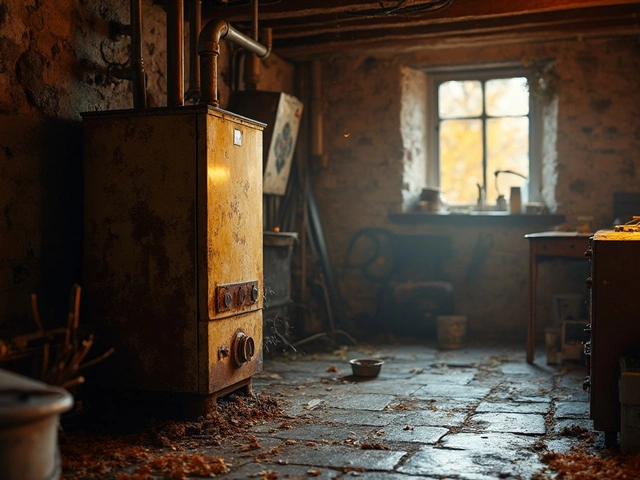
Replacing an old boiler might seem like a hassle, but when it's reaching the 15-year mark, the decision becomes crucial for efficiency and safety. This article explores whether it's time to upgrade, balancing costs, savings, and the impact on your home. From understanding energy efficiency to recognizing warning signs, we dive into everything you need to consider. With insights and practical tips, make an informed choice about your old boiler.
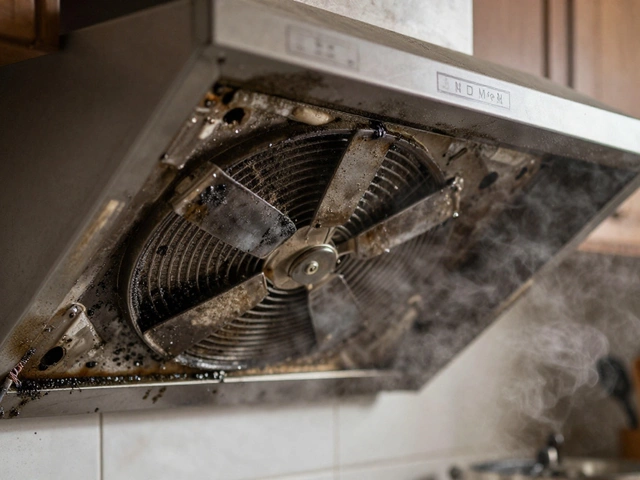
Kitchen extractor fans typically last 10-15 years, but grease buildup and lack of cleaning can cut that in half. Learn the signs it's time to replace yours and how to choose a better model.