

If your washer starts the spin cycle and then just hums or waits, you’re not alone. A non‑spinning machine can ruin laundry plans and stress anyone who needs clean clothes fast. Below we break down the most common reasons for spin problems and give you clear steps you can try before calling a technician.
First, figure out what’s stopping the drum from turning. In most cases one of three things is to blame: a blocked drain, an unbalanced load, or a faulty part. A clogged pump or filter can prevent water from leaving the tub, and the machine will stay in a “stand‑by” mode to avoid flooding. Check the lint filter or pump screen – it’s usually behind a small access panel – and clear any debris. A load that’s too heavy or uneven can also trigger the safety sensor. The washer will try to spin, detect the wobble, and then shut off the motor. Split big items like blankets into smaller batches, and make sure you’re not mixing heavy towels with delicate shirts.
Finally, electrical or mechanical parts can wear out. The lid switch (on top‑loading models) tells the machine that the door is closed; if it’s broken, the spin timer never gets the green light. Similarly, a worn belt or a malfunctioning motor coupler can stop the drum from turning. These parts need a professional’s eye, but you can test the lid switch with a multimeter if you feel comfortable.
Start with the simplest fixes. Unplug the washer for a minute, then plug it back in – this power reset can clear error codes and restart the control board. Next, run a short empty cycle with hot water and a cup of vinegar; it helps dissolve mineral buildup that might be clogging the pump. If the machine still won’t spin, open the drain hose and make sure it isn’t kinked or blocked. Detach the hose from the standpipe and blow through it – you should feel a clear flow. While you’re at it, inspect the pump impeller by removing the access panel (usually a couple of screws). If you see small objects like coins or buttons, pull them out. When it comes to load balance, use the washer’s “extra spin” option after a regular cycle. This lets the motor work a bit longer to shake out excess water, often fixing a lingering wobble. If the problem persists, consider calling a local repair service. Our Bognor Regis Appliance Repair Experts can diagnose a broken lid switch, replace a worn belt, or repair a motor in under an hour. Remember, regular maintenance keeps spinning issues at bay. Clean the filter every month, avoid over‑loading, and run a cleaning cycle quarterly. With these habits, your washer will stay smooth, quiet, and ready for the next load.

Find out why your tumble dryer isn't spinning and learn step-by-step fixes for common dryer problems. Stay informed with practical tips and real solutions.

Choosing a cooker that stands the test of time can be daunting amid a sea of brands promising longevity. This article delves into which brands have stood out for their durability and reliability. By exploring user experiences and industry insights, it aims to guide you in the right direction. Discover how some brands maintain their reputation for endurance and what to consider when selecting your next appliance.
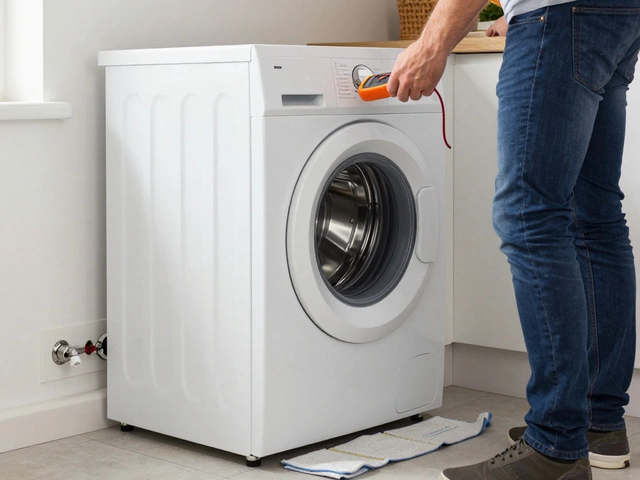
Learn how to diagnose common washing machine problems like leaks, noise, and spin failures. This step-by-step guide helps UK homeowners troubleshoot issues safely before calling a repair engineer.

Neglecting to flush your water heater can lead to a host of issues, from inefficiency to full-blown malfunctions. Sediment buildup can decrease heating efficiency and even cause damage over time. This article explores what happens if you never flush your water heater, why regular maintenance is crucial, and how you can perform these tasks. Dive into practical advice and tips for maintaining a healthy water heating system.
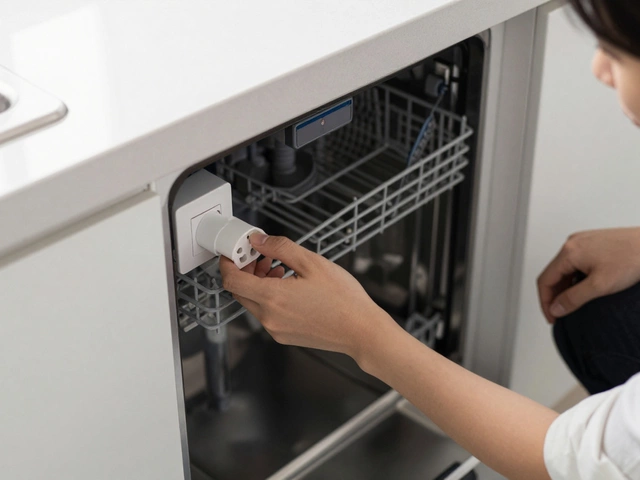
Learn how to reset your dishwasher using hard resets and brand-specific button codes. Quick fixes for Bosch, Samsung, Whirlpool, and more to clear error codes.

Got an electric oven that's not heating? Discover the most common issues, why they happen, and how you can fix or prevent them without calling a pro.