

When your small appliances, portable household devices like toasters, kettles, blenders, and coffee makers that make daily tasks easier. Also known as kitchen appliances, these gadgets are meant to last years—but they often break down far sooner than they should. Most people treat them as disposable, but that’s not just wasteful—it’s expensive. Replacing a £50 blender every year adds up to £500 over ten years. Fixing it? Often costs less than £20.
Appliance maintenance, simple, regular care like cleaning filters, checking cords, and avoiding overloading can double the life of your small appliances. A coffee maker that’s descaled every month won’t suddenly stop heating. A blender with a clean base and undamaged cord won’t trip the circuit breaker. These aren’t magic tricks—they’re basic habits most people ignore until something breaks.
And it’s not just about cost. A faulty small appliance can be dangerous. Frayed wires, overheating motors, or cracked housings aren’t just annoying—they’re fire risks. That’s why knowing when to fix and when to replace matters. A 5-year-old food processor with a broken gear? Usually fixable. A 10-year-old toaster with sparking inside? Time to walk away.
Many of the issues you think are "just how it is"—like a slow kettle or a noisy mixer—are actually fixable. Often, it’s just a worn-out switch, a loose connection, or a clogged heating element. You don’t need to be an electrician. Most repairs take under an hour with basic tools. We’ve seen people save hundreds by learning how to test a fuse, replace a thermostat, or clean a motor brush.
And it’s not just kitchen stuff. Extractor fans, electric kettles, hair dryers, and even vacuum cleaners fall under this category. They’re all small appliances. They all have parts that wear out. And they all have repair guides out there—just not always easy to find.
Below, you’ll find real fixes for real problems. No fluff. No theory. Just what actually works: how to reset a water heater’s safety button, why your oven control board fails, when a tumble dryer’s motor gives out, and how to tell if your electric hob is worth saving. These aren’t guesses. These are the exact issues we fix every week in Bognor Regis homes. If you’ve ever stared at a broken appliance and thought, "There’s got to be a better way," this is it.
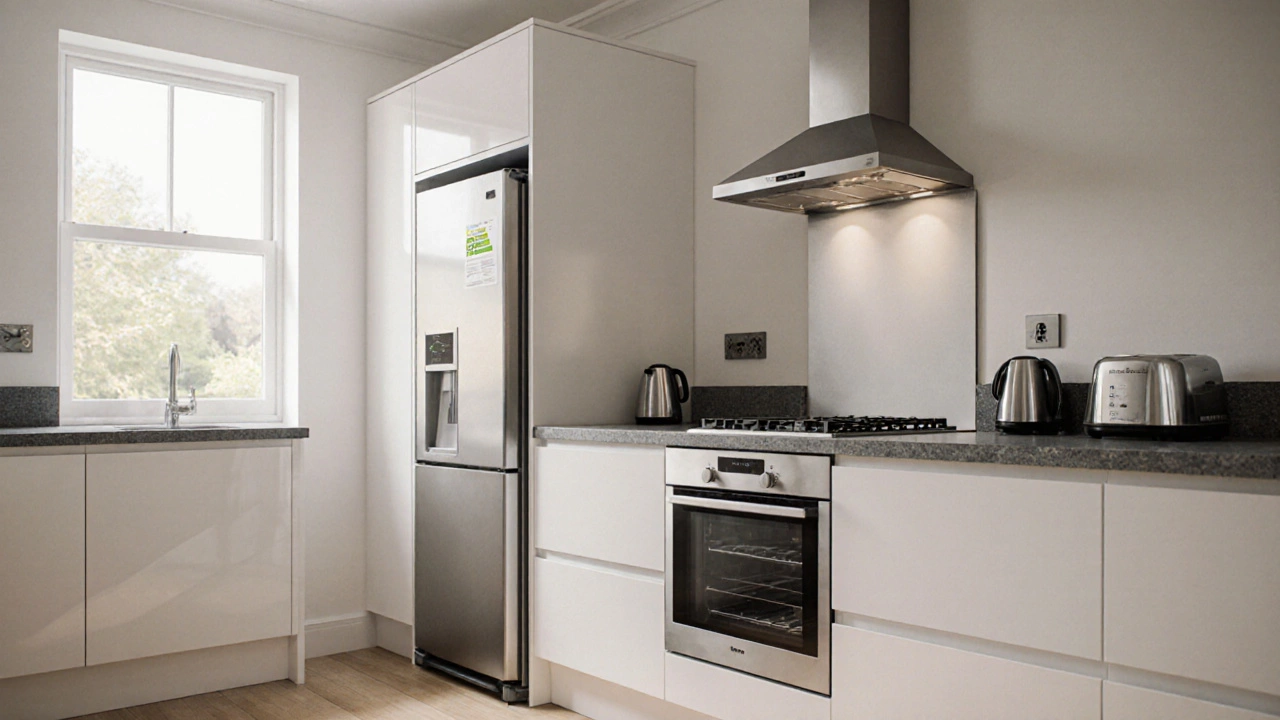
Learn what qualifies as an appliance in UK homes, including major vs. small appliances, what doesn't count, and why the distinction matters for repairs and insurance. Clear, practical guide for homeowners.

Is it worth repairing a 7-year-old fridge freezer? Usually yes-if the repair is under £200 and the unit still runs efficiently. Learn what fixes make sense, which problems mean replacement, and how much you’ll save on energy bills.
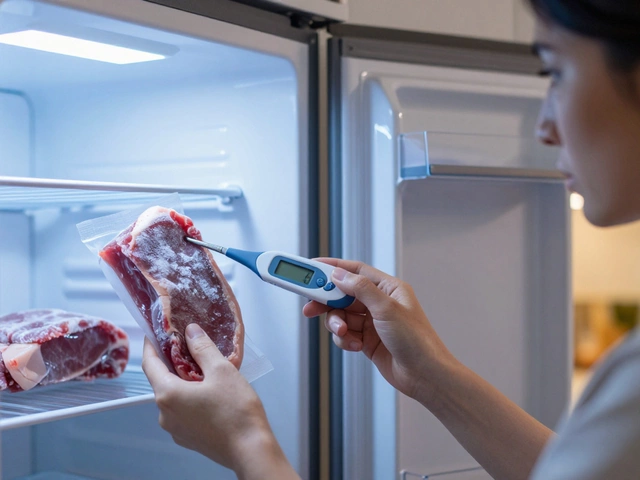
Find out if your food is safe after a freezer breakdown. Learn how long food stays cold, what to keep vs. toss, and essential steps to prevent waste and illness.

Trying to figure out if you need a ventilation fan or an extractor fan? This article breaks down the differences between the two, explains how each one works, and shares tips for choosing and maintaining the right fan for your home. You’ll also pick up advice on recognizing issues, making easy repairs, and knowing when it's time to replace. If you’ve got problems with humidity, bad smells, or stuffy air, this guide is for you.

Looking for a reliable refrigerator that won't leave you struggling with frequent repairs? Discover which fridge brands are known for their durability and efficiency. This article breaks down the brands with the least reported problems, providing valuable insights from customer reviews and expert opinions. Learn practical tips on how to choose a fridge that suits your needs and keeps your kitchen running smoothly.

Microwave suddenly dead? It might be the fuse. This article breaks down the real cost of repairing a microwave fuse—parts, labor, hidden fees, and whether you should DIY. You'll get practical tips on when to call a pro, what brands cost more, and how to avoid common mistakes. A straightforward guide to help you fix your microwave without overspending.