

If your hot water isn’t keeping up, you’re probably dealing with a water heater that’s on the brink of giving out. Ignoring the clues can lead to a cold shower in the middle of a busy morning or even a burst pipe. Below are the most common warning signs and what you can do about them right now.
1. Lukewarm or cold water – When you turn the tap, the water should stay hot for a decent amount of time. If it cools down quickly, the heating element or thermostat may be failing.
2. Strange noises – Popping, rumbling, or clicking sounds usually mean mineral buildup is heating unevenly. Over time this can crack the tank.
3. Leaking water – Any moisture around the base of the unit, a rust‑colored puddle, or water dripping from the top indicates a seal or pipe is compromised.
4. Rusty or cloudy water – If the water looks brown or has a metallic taste, the tank is corroding inside. This often precedes a full tank failure.
5. Strange odors – A sour or rotten egg smell points to bacterial growth, especially in electric heaters that sit idle for long periods.
6. Error codes or flashing lights – Modern units display codes when something’s wrong. Look up the code in your manual or ask a technician.
First, check the power supply or gas valve. A simple reset on the circuit breaker or pilot light can solve a temporary glitch. If the heater still misbehaves, turn off the power or gas, then locate the shut‑off valve and let the tank drain to remove sediment.
When you see leaks, rust, or persistent noises, it’s time to call a professional. Trying to patch a cracked tank yourself is risky and often illegal. A qualified plumber can replace the heating element, flush the system, or advise on a full replacement.
Don’t wait for a complete breakdown. Catching these signs early can save you money and avoid the inconvenience of a cold shower. If you’re in Bognor Regis, our team at Bognor Regis Appliance Repair Experts can diagnose the issue fast, repair common faults, and recommend the best next step for your water heater.
Remember, regular maintenance—flushing the tank once a year and checking the anode rod—keeps most problems at bay. Set a reminder in your calendar and you’ll enjoy steady hot water for years to come.
Bottom line: cold showers, noises, leaks, rust, smells, or error codes are all red flags. Act quickly, either by a simple reset or by calling a trusted repair service, and you’ll keep your home comfortable without surprise breakdowns.
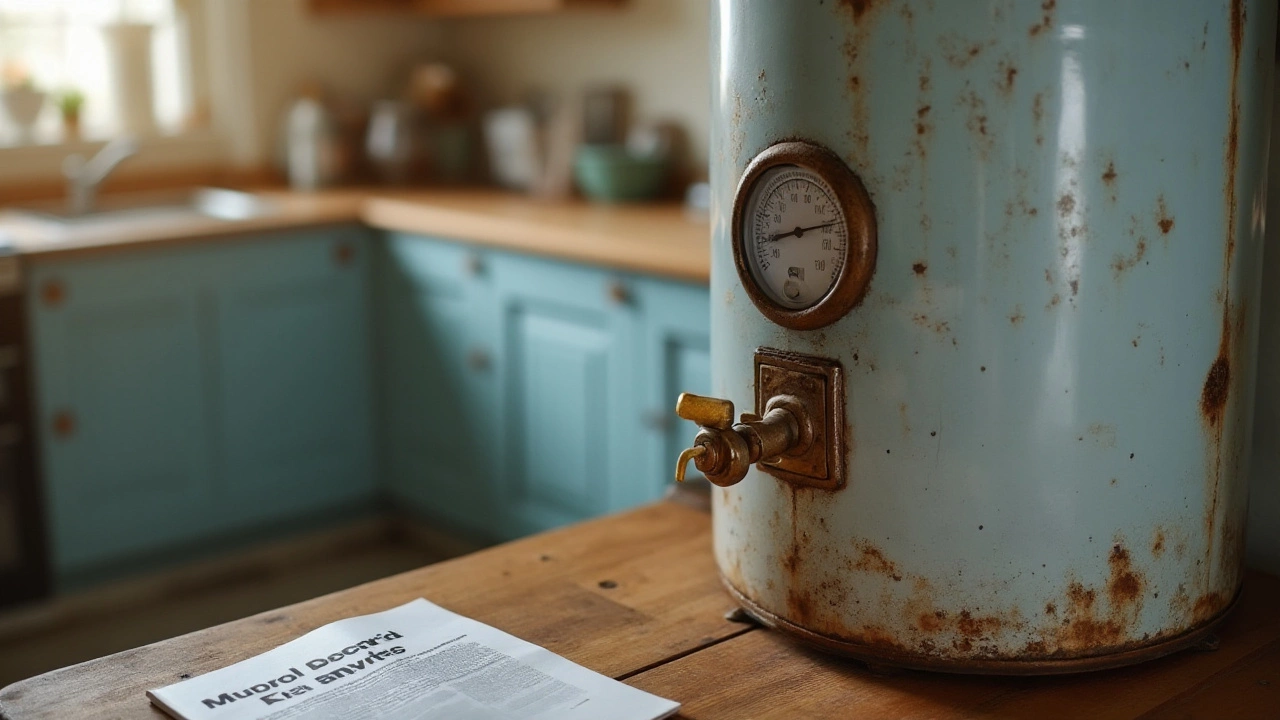
Determining when your hot water heater needs replacement isn't always straightforward. This guide explores key signs such as irregular water temperatures, strange noises, and age that might indicate it's time to get a new unit. Understanding these signs not only ensures a reliable hot water supply but also prevents potential damage and higher energy bills. Additionally, we discuss some tips for maintenance to prolong the life of your current system.

Wondering if you should repair your washing machine or just buy a new one? This article breaks down when it's smart to fix your appliance and when it's better to let it go. Get tips on common washing machine problems, repair costs, and simple troubleshooting steps. Plus, learn how to avoid getting ripped off by price gouging repair techs. If laundry day is starting to look like a coin toss, read this before calling the junk hauler.
Figuring out whether to repair or replace a 10-year-old range can save money and hassle. This article explores cost considerations, common issues, and when to opt for repair versus replacement. Additionally, discover maintenance tips to extend your range’s life. Make informed decisions with a detailed look into repair pros and cons. Navigate the world of kitchen appliances with confidence.

Ever wonder if switching your boiler on and off harms it? This article unpacks how boilers handle frequent power cycles, what really wears them out, and when switching off could save you cash or cause problems. Find out the best ways to run your boiler for both safety and savings. Practical tips and real facts—all in plain English. Avoid costly repairs by knowing how to treat your boiler right.
Ever wondered who foots the bill for boiler service in your home? This article delves into the responsibilities of homeowners and landlords when it comes to boiler maintenance. It offers practical tips for navigating service agreements and highlights some surprising facts about cost-savings that effective maintenance can offer. Discover insights and advice on ensuring your boiler runs smoothly without burning a hole in your wallet.
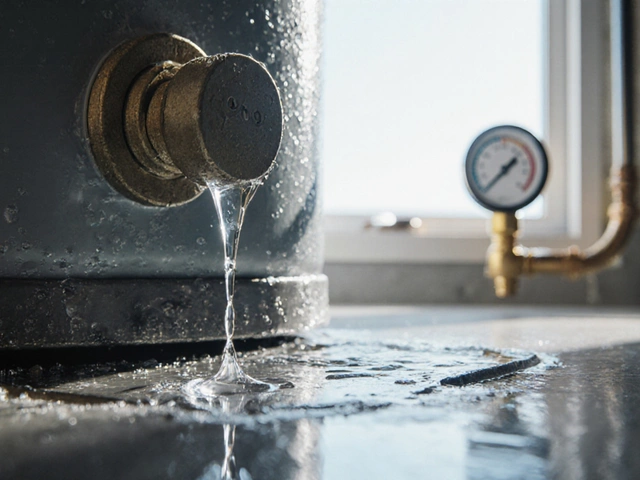
Water heater leaks usually come from five common spots: the pressure relief valve, anode rod, drain valve, tank corrosion, or pipe fittings. Learn where to look and how to fix it before it turns into a flood.