Oven Replacement Decision Tool
Scenario 1: Plug-In Oven
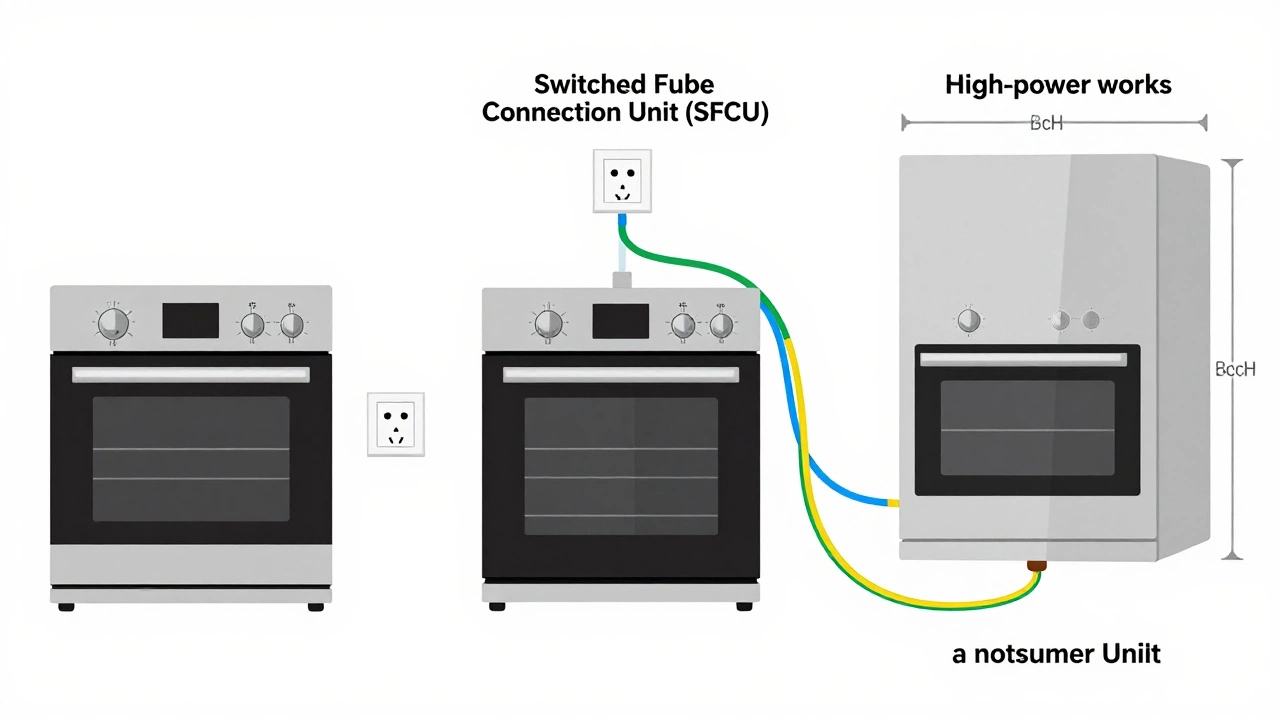
The oven has a standard plug that fits into a dedicated socket near the floor.
Scenario 2: Hardwired via SFCU
No plug. Cable runs directly into a white wall-mounted switch box (SFCU).
Scenario 3: Direct Consumer Unit
Wired directly back to the main fuse box without an intermediate switch.
Select a scenario above to see recommendations.
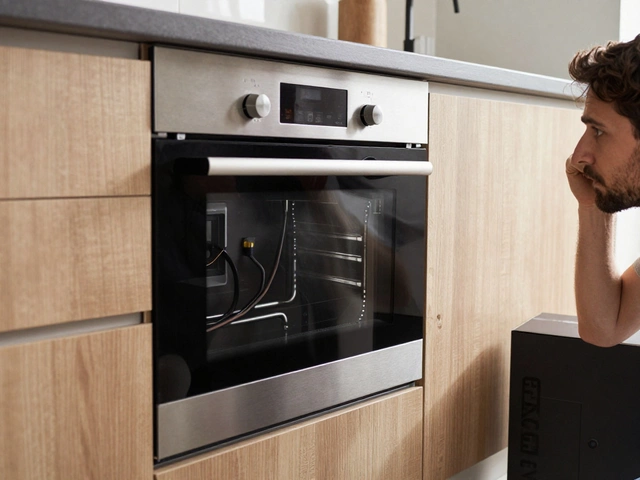
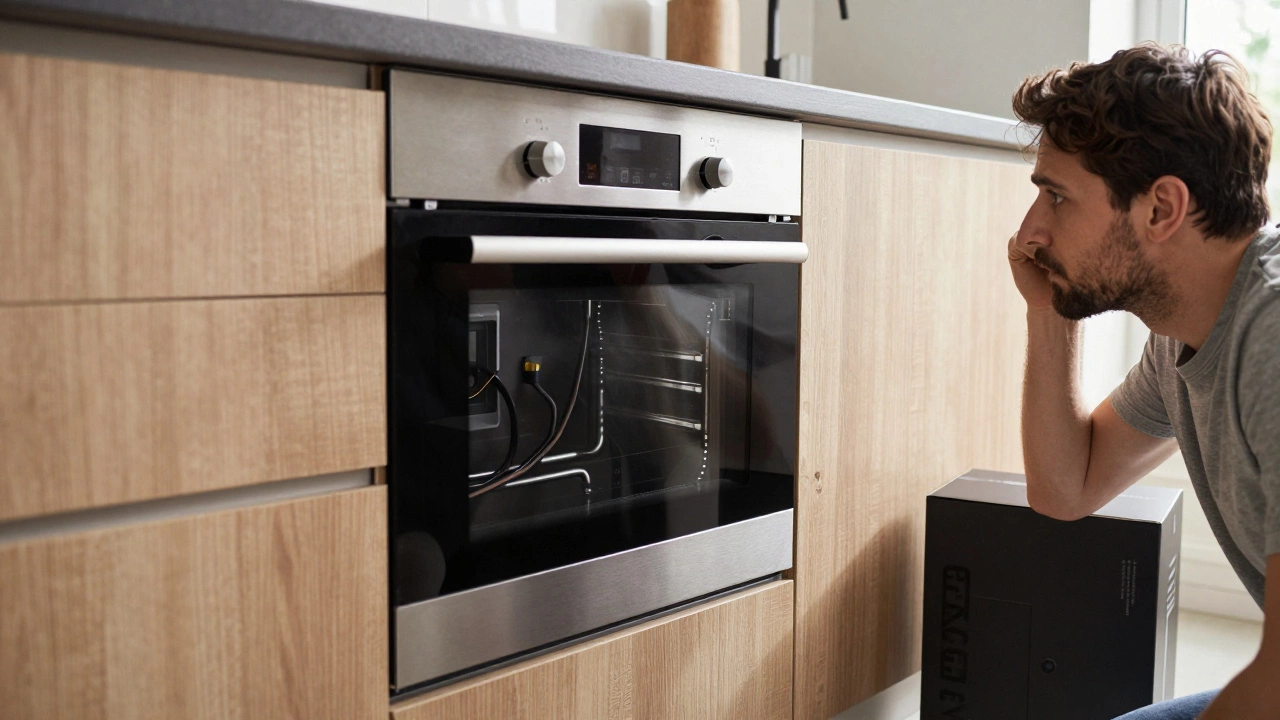
Standing in front of a new electric oven is exciting. The shiny finish, the digital controls, the promise of perfectly baked goods-it’s a kitchen upgrade that feels like a big step forward. But then you look at the back of the old unit, see that thick black cable plugged into a socket or hardwired into the wall, and the question hits you: do I really need to call an electrician? Or can I just unplug the old one, plug in the new one, and be done with it?
The short answer is: it depends entirely on how your current oven is connected. In the United Kingdom, electrical work is governed by strict safety standards, primarily Part P of the Building Regulations is the section of building law that covers electrical installations in dwellings to ensure safety against fire and electric shock. Ignoring these rules isn’t just about passing a home inspection; it’s about preventing fires and protecting your family.
Understanding Your Current Connection Type
Before you lift a finger, you need to identify exactly how your existing oven is powered. There are generally three scenarios you will encounter in a UK home. Identifying which one applies to you determines whether this is a simple swap or a job for a professional.
Scenario 1: The Plug-In Oven
This is the most straightforward setup. Your oven has a standard 13-amp plug (or sometimes a 15-amp industrial-style plug) that fits into a dedicated socket near the floor or behind the appliance. If your new oven also comes with a compatible plug, or if you are comfortable swapping plugs safely, this is often considered "minor works" under Part P. However, even here, there are catches regarding the circuit rating and the condition of the socket.
Scenario 2: Hardwired via a Switched Fuse Connection Unit (SFCU)
This is extremely common in older UK properties. The oven doesn’t have a plug. Instead, a cable runs from the oven directly into a small white box mounted on the wall nearby, known as an SFCU or "oven switch." This unit contains a fuse and a switch to cut power. Replacing an oven in this scenario involves disconnecting wires inside the oven terminal block and reconnecting them to the new unit. While technically feasible for a competent DIYer, any mistake in wiring here can lead to severe arcing or fire.
Scenario 3: Directly Wired to the Consumer Unit
In some modern builds or high-power setups, the oven might be wired directly back to the main consumer unit (fuse box) without an intermediate switch. This is less common for standard ovens but happens with integrated units or high-wattage cookers. Touching anything related to the consumer unit is strictly prohibited for non-professionals under Part P. This always requires a registered electrician.
The Legal Reality: Part P and Competent Persons
You might hear people say, "I changed my lightbulb, why can’t I change my oven?" The difference lies in the risk profile. Electrical Installation Condition Report (EICR) is a formal inspection report that assesses the safety of fixed electrical installations in a property. If you do not comply with Part P, your home insurance could be voided in the event of an electrical fire.
Under current regulations, "notifiable" work must be carried out by someone registered with a Competent Person Scheme, such as NICEIC, NAPIT, or ELECSA. These professionals self-certify their work, meaning they notify the local building control authority that the job meets safety standards. You don’t need to file paperwork yourself; they handle it.
Is replacing an oven "notifiable"? Generally, replacing like-for-like appliances (e.g., swapping one plug-in oven for another) is considered minor work and does not require notification. However, if you are adding a new circuit, altering an existing circuit, or working within the "special location" of a kitchen (which includes areas near sinks and countertops), the rules tighten significantly. If you are unsure, the safest route is always to consult a pro.
Risks of DIY Oven Replacement
Let’s talk about what can go wrong. Electricity doesn’t care how careful you think you are. Here are the specific risks associated with DIY oven replacement:
- Incorrect Wiring Polarity: Ovens require live, neutral, and earth connections. Swapping live and neutral can damage the control board of modern digital ovens, rendering them useless immediately.
- Loose Connections: Oven terminals carry high current. If a wire isn’t tightened securely, it creates resistance. Resistance generates heat. Over time, this heat can melt the plastic housing, ignite surrounding insulation, and start a fire behind your cabinetry.
- Circuit Overload: Standard ring mains circuits in UK homes are typically fused at 30 amps. An electric oven can draw between 7 and 13 amps depending on usage. If you plug a high-draw oven into a socket that also powers a kettle or microwave, you risk tripping the breaker or overheating the cables.
- Voided Insurance: Most home insurance policies explicitly state that electrical work must comply with Building Regulations. If a fire starts due to improper installation, the insurer may deny the claim, leaving you liable for thousands in damages.
When Can You Safely Do It Yourself?
If you are confident in your abilities and understand the risks, there are limited scenarios where DIY is acceptable. This usually applies only to plug-in ovens.
- Check the Plug Rating: Ensure the new oven’s plug matches the socket type. If the new oven has a different plug configuration, do not force it. You may need to replace the plug cap, but only if you know how to strip wires correctly and secure them under the terminal screws.
- Inspect the Socket: Look at the existing socket. Is it scorch-marked? Does it feel warm to the touch? Are the wires loose? If yes, stop. Call an electrician. A faulty socket is a fire hazard regardless of the oven.
- Test the Circuit: Before plugging in the new oven, ensure no other high-power appliances are running on the same circuit. Turn on the oven’s heating elements and check if the lights dim significantly or if the breaker trips. If so, the circuit is overloaded.
- Secure the Earth Wire: In plug-in ovens, the earth wire (green/yellow) is critical. Ensure it is firmly attached to the earth terminal in the plug. Never use the metal casing of the oven as a substitute for proper earthing.
When Must You Hire an Electrician?
There is no ambiguity in these cases. If any of the following apply, put down the screwdriver and pick up the phone:
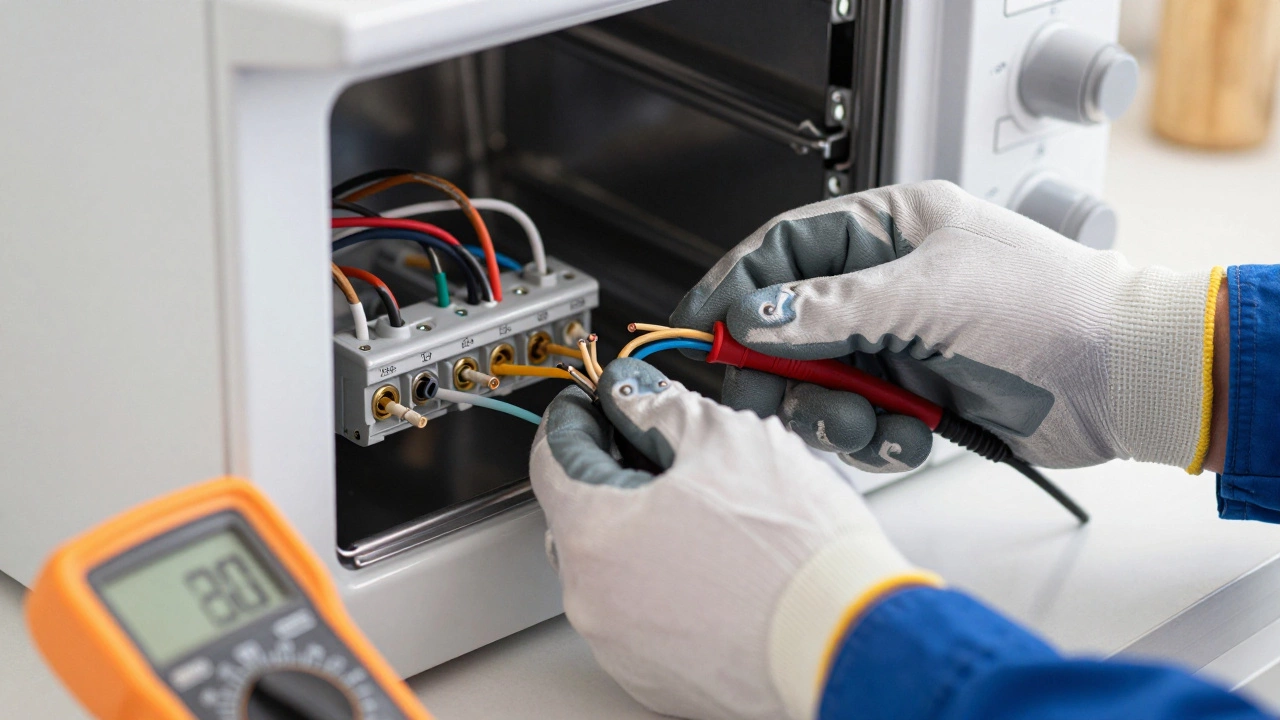
- Hardwired Connections: If your oven connects to an SFCU or directly to the wall, hiring a professional is strongly advised. They will test for continuity, insulation resistance, and polarity-tests you likely cannot perform without specialized equipment.
- New Circuits: If you are installing an oven where none existed before, and you need to run new cabling from the consumer unit, this is notifiable work.
- Consumer Unit Work: If you need to add a new double-pole switch or change a fuse in the main fuse box, this is illegal for DIYers to do without certification.
- Old Wiring: If your home has pre-1960s wiring (often identifiable by rubber-insulated cables), the insulation may be brittle and prone to cracking. Disturbing this wiring during installation can cause shorts. An electrician will assess and replace unsafe sections.
- Integrated Ovens: These often require precise positioning and ventilation checks. Incorrect installation can void the manufacturer’s warranty and create heat buildup in kitchen cabinets.
Cost Comparison: DIY vs. Professional Installation
Money is a major factor. Let’s break down the costs in the UK market as of 2026.
| Item | DIY Cost | Professional Cost |
|---|---|---|
| Oven Unit | £300 - £800 | £300 - £800 |
| Labour (Installation) | £0 | £80 - £150 |
| Parts (SFCU/Plug/Switch) | £10 - £30 | Included in labour |
| Building Control Notification | £0 (if minor) | Included (via Competent Person) |
| Insurance Risk | High (Potential Void) | Low (Certified Safe) |
While DIY saves you the £80-£150 labour fee, consider the value of peace of mind. A certified electrician provides a Electrical Installation Certificate is a legal document confirming that electrical work complies with BS 7671 wiring regulations and Building Regulations. This certificate is invaluable when selling your home. Buyers’ solicitors often request proof that electrical work was done safely. Without it, you might face delays or reduced offers later.
Step-by-Step: What to Expect During Professional Installation
If you decide to hire an electrician, here is what the process looks like. Knowing this helps you prepare and ensures you aren’t being overcharged.
- Initial Assessment: The electrician will inspect the existing connection, the condition of the cables, and the consumer unit. They will check if the circuit is adequately sized for the new oven.
- Power Isolation: They will turn off the power at the consumer unit and lock it out to prevent accidental re-energizing while they work.
- Removal of Old Oven: Carefully disconnecting the old unit, ensuring no strain is placed on the cables.
- Wiring Check: Testing the existing cables for continuity and insulation integrity. If the cables are damaged, they will recommend replacement.
- Connection of New Oven: Connecting the live, neutral, and earth wires to the new oven’s terminal block. They will ensure tight torque on all screws to prevent future heating issues.
- Safety Tests: Performing earth continuity, insulation resistance, and polarity tests using a multimeter and insulation tester.
- Final Commissioning: Turning the power back on, testing all functions (grill, fan, bake), and providing you with the Electrical Installation Certificate.
Pro Tips for a Smooth Transition
Whether you DIY or hire a pro, these tips will save you headaches:
- Measure Twice: Ensure the new oven fits the cavity. Integrated ovens require specific cut-out dimensions. A 60cm oven might not fit in a 59cm space due to door hinges.
- Ventilation Matters: Many modern ovens require air gaps at the top and bottom for cooling. Blocking these vents can trip thermal cut-outs and damage the appliance.
- Keep the Old Plug: If you’re swapping plug-in ovens, keep the old plug handy. Sometimes manufacturers change plug types slightly, and having the original allows for easier comparison.
- Check the Warranty: Some oven brands require professional installation to validate the warranty. Read the fine print before buying.
- Label the Consumer Unit: Ask your electrician to clearly label the new oven circuit in the fuse box. This makes future troubleshooting much easier.
Can I plug a new electric oven into an existing socket?
Yes, but only if the socket is rated for the oven's amperage (usually 13A or 15A) and is dedicated solely to the oven. Do not share this socket with other high-power appliances like kettles or microwaves, as this can overload the circuit and cause a fire. Always check the oven's manual for specific socket requirements.
Is it illegal to wire an oven yourself in the UK?
It is not strictly "illegal" to do minor electrical work like swapping a plug, but it is against Building Regulations if the work is notifiable (e.g., adding new circuits or working in special locations). If you do not comply, your home insurance may be void, and you could face fines if discovered during a sale or inspection. For hardwired ovens, it is highly recommended to use a qualified electrician to ensure compliance with Part P.
How much does it cost to hire an electrician to install an oven?
In the UK, expect to pay between £80 and £150 for a standard oven installation, including testing and certification. Prices may be higher if new cabling is required or if the existing wiring needs upgrading. Always ask for a quote that includes VAT and the Electrical Installation Certificate.
What should I do if my oven keeps tripping the breaker?
If your oven trips the breaker, do not ignore it. This indicates a fault such as a short circuit, ground fault, or overloaded circuit. Stop using the oven immediately and contact a qualified electrician. Continuing to use it could damage the appliance or start a fire.
Do I need a permit to replace an electric oven?
You do not need a separate "permit" for minor replacements like swapping a plug-in oven. However, if the work is notifiable under Part P (e.g., hardwiring or new circuits), the electrician must notify the local building control authority. They will provide you with a certificate proving compliance. Keep this document for your records and for future home sales.