

If your electric oven is taking forever to heat up, showing strange error codes, or you’ve spotted a burnt smell, it might be time to think about a replacement. Ignoring these signs can lead to higher electricity bills and ruined meals. Below we break down the key reasons to replace, the choices between DIY and hiring a pro, and the typical costs you’ll face.
First, check the heating element. A faulty element often causes a cold oven, and swapping it is cheap – usually under £30 for the part. If you’ve already tried that (see our post on oven element replacement) and the oven still won’t get hot, look at the thermostat. A thermostat that constantly reads low will keep the oven from reaching set temperatures.
Next, consider the age of the appliance. Most electric ovens last about 12‑15 years with regular maintenance. If yours is older than that and you’ve needed multiple repairs, the cumulative cost may outweigh buying a new unit. Also, older ovens are less energy‑efficient, meaning they’ll cost you more to run every year.
Finally, inspect the door seal. A cracked or worn seal lets heat escape, making baking uneven and driving up energy use. Seals are replaceable, but if the door frame itself is warped, you’re looking at a bigger issue that often signals the whole oven is past its prime.
Replacing an electric oven yourself is doable if you’re comfortable working with basic tools and have a clear step‑by‑step guide. You’ll need a screwdriver set, a multimeter, and perhaps a new heating element or thermostat. Turn off the power at the circuit breaker, remove the oven from its cabinet, and disconnect the wiring. Follow the manufacturer’s wiring diagram – it’s usually a simple three‑wire connection.
Pros of DIY: you save on labour fees (which can be £80‑£150 for a qualified engineer), you learn how the oven works, and you can finish the job on your own schedule. Cons: if you make a wiring mistake, you risk a short circuit, blown fuse, or even fire. Mistakes also void any remaining warranty on a new unit.
If you opt for a professional, the average total cost in the UK ranges from £250 to £500, depending on the model and any extra work like adjusting cabinet fit‑outs. A qualified electrician can also check your home’s electrical load to ensure the new oven won’t overload the circuit – a step many DIYers skip.
When budgeting, factor in the price of the new oven itself. Mid‑range electric ovens sit around £400‑£600, while premium models with convection fans or smart features can reach £1,000 or more. Add delivery (often free) and installation – that’s where the professional fee comes in.
In short, if the oven is under ten years old, you’ve only needed one minor repair, and you feel confident with basic electrical work, DIY replacement can save you money. If the unit is older, has multiple faults, or you’re unsure about handling live wires, call a certified engineer.
Whatever route you choose, remember to test the oven after installation. Run it empty at 180°C for 15‑20 minutes to confirm it heats evenly and the door seals properly. If you notice any odd noises or uneven heating, call a professional right away – better safe than sorry.
Replacing an electric oven doesn’t have to be stressful. Identify the symptoms, weigh the costs, and decide whether a DIY fix or a pro installation fits your budget and skill level. A well‑chosen oven will serve you reliably for years, keeping meals on the table and your energy bill in check.
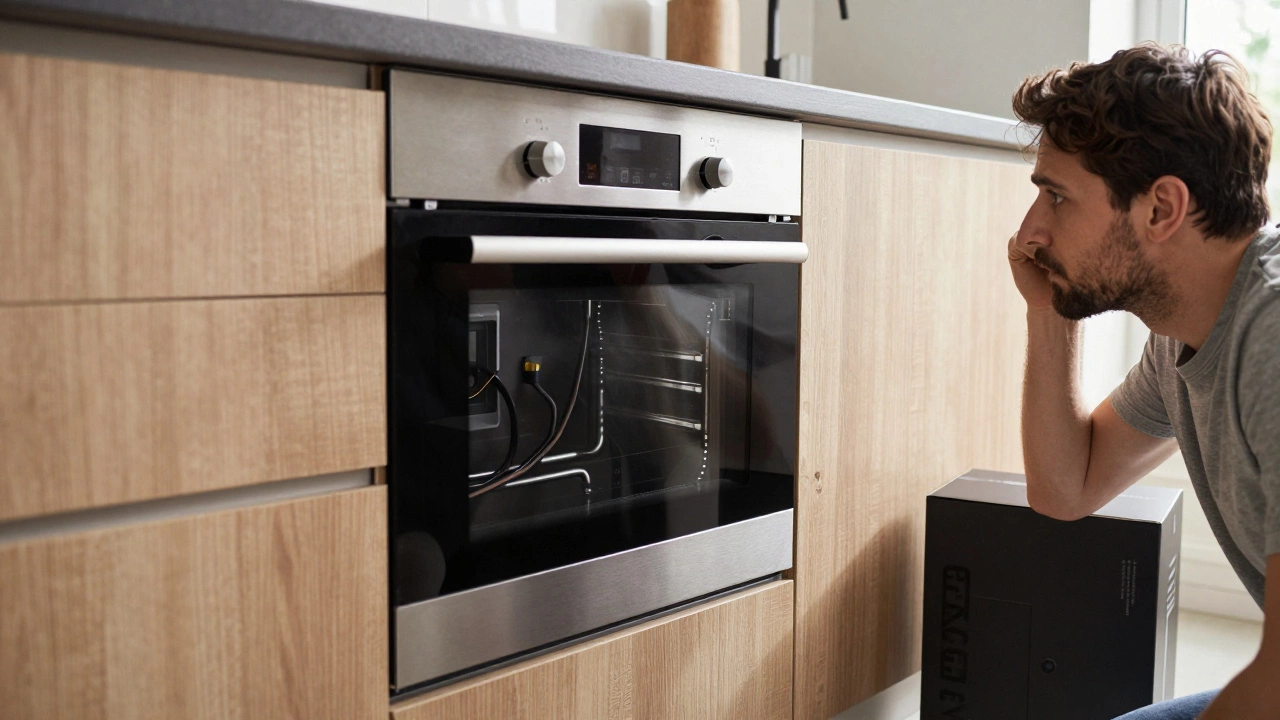
Find out if you need a professional electrician to replace your electric oven in the UK. We cover Part P regulations, DIY risks, costs, and safety steps to help you decide.

Thinking about swapping out your electric oven? This article covers how tough the job really is, where people usually get stuck, and what you actually need to know. We break down what tools you really need, what pitfalls you can avoid, and when you should probably call someone who’s done it before. Get ready for straight talk—no tech jargon, just real advice for regular folks. Whether you DIY or call a pro, you’ll walk away ready to make a smart decision.

Learn the proper term for someone who fixes ovens, how they work, skills they need, and why hiring a pro is a smart move. Helpful tips inside.

Choosing a cooker that stands the test of time can be daunting amid a sea of brands promising longevity. This article delves into which brands have stood out for their durability and reliability. By exploring user experiences and industry insights, it aims to guide you in the right direction. Discover how some brands maintain their reputation for endurance and what to consider when selecting your next appliance.

Thinking of how long your gas hob will last? Dive into the expected lifespan of gas hobs, factors that affect their longevity, and simple maintenance tips. Discover how regular care can stretch your appliance's life and understand when it's time to consider repair or replacement. Make informed decisions to keep your culinary adventures flaming well.

Find out exactly how much to get a boiler serviced in 2026. We break down average costs, what's included, and tips to avoid hidden fees.

Discover the workings of a hob, a crucial kitchen fixture that often gets overlooked until it malfunctions. Learn the common issues that can affect its performance and get handy tips on basic repairs and maintenance. Whether you're dealing with burner problems or electrical faults, this guide provides practical advice to keep your hob in top shape. Understand the typical lifespan of these appliances and how to extend it through regular care.