

Got a noisy washing machine, a cold oven, or a heat pump that won’t heat? Before you pick up the phone, try a few simple steps that can save you time and money. This guide pulls the best tricks from our blog posts so you can tackle the most common issues yourself or know exactly when a professional is needed.
First things first – safety. Unplug the appliance or turn off the circuit breaker. A quick visual scan can spot loose wires, clogged filters, or obvious damage. For a fridge that isn’t cooling but the light works, check the condenser coils; dust buildup is a frequent culprit.
If you hear a humming sound from a heat pump but no warm air, make sure the air filter isn’t blocked and the outdoor unit is free of debris. A clean filter often restores airflow and improves efficiency.
When dealing with electric ovens, check the heating element for visible breaks before you remove it. A broken element is usually the reason an oven won’t heat, and swapping it out is a straightforward DIY job.
For water heaters, look for a reset button on the thermostat. If the heater keeps resetting, sediment buildup or a faulty thermostat may be the cause. Flushing the tank once a year can prevent many of these problems.
Some fixes are just too risky or require specialised tools. If a boiler is leaking, shows signs of corrosion, or won’t fire up, don’t gamble – a Gas Safe engineer should handle it. The same goes for a heat pump that freezes up despite a clean filter; the refrigerant system needs a trained technician.
Complex electrical work, like rewiring an extractor fan or diagnosing a faulty circuit in a dishwasher, should be left to an electrician. Incorrect wiring can cause shocks or fire hazards.
If you’ve tried the basic checks on a cooker and it still won’t heat, the problem might be a damaged control board or gas valve. Those parts need professional inspection and certification.
Finally, when the cost of a repair approaches the price of a new appliance, it’s worth comparing. Our “Should You Repair Your Dishwasher?” post breaks down the math so you can decide if a replacement makes sense.
Bottom line: start with a quick visual and safety check, use simple DIY fixes when you feel comfortable, and call a qualified pro for anything involving gas, complex electronics, or serious leaks. With these service call tips you’ll spend less time waiting on a call-out and more time enjoying a fully functional home.

Wondering what an appliance job really is? This article breaks down everything you need to know, from common types of jobs to what actually happens when a technician shows up at your door. You'll learn when to call for help, what to expect during a service visit, and how to get the best results for your money. Get practical tips before you book, so there are zero surprises. Whether it’s your fridge, washer, or oven acting up, this guide has your back.

If your electric oven suddenly stops working, don't panic. This article explores common issues with electric ovens and provides practical tips for troubleshooting and repair. From understanding how different components work to knowing when it's time to call a professional, you'll find the go-to advice you need to get your oven back in working order. Avoid the hassle of guesswork and get straightforward guidance on keeping your kitchen running smoothly. Practical insights on oven maintenance await you.

Repairing a glass hob is an essential task for maintaining a functional and modern kitchen. The cost of fixing a glass hob can vary greatly depending on the damage's severity and the required repair type. This article delves into the various factors influencing repair costs, from crack treatment to replacement solutions. It also provides tips for maintenance to prolong the lifespan of your hob and prevent future damage.
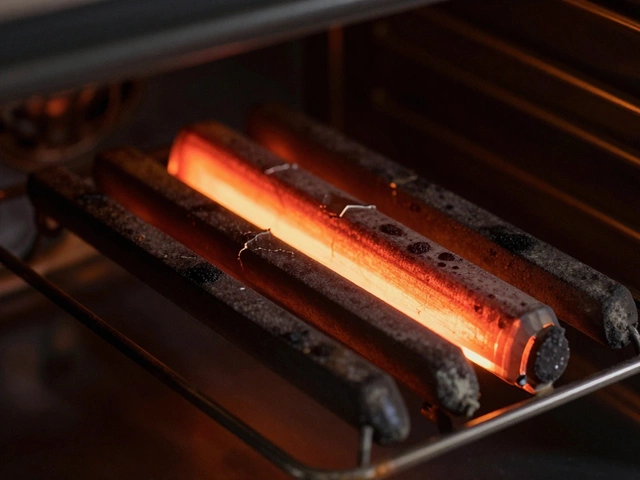
Learn how to tell if your electric oven element is bad with simple visual checks and a multimeter test. Save time and money by diagnosing the issue yourself before calling a repair technician.

This article provides a comprehensive guide on how to test and maintain your kitchen extractor fan to ensure it functions optimally. It includes practical steps for diagnosing common issues, cleaning tips to improve efficiency, and essential maintenance advice. Discover how to test airflow and electrical components safely, ensuring your kitchen remains free from unwanted odors and excess humidity. Learn valuable insights and practical tips to keep your extractor fan in top shape.

Wondering if your oven's heating element is faulty? Learn how to identify signs of a broken oven element, including visual inspections, testing with a multimeter, and troubleshooting tips. This guide offers essential knowledge to help you diagnose and fix any issues, ensuring your oven works efficiently. Stay informed about safety precautions and when it might be time to call a professional.