

When dealing with hot water heater reset, the act of pressing the built‑in safety button to clear a fault and restore hot water. Also known as reset button, it is a key step in troubleshooting many water heating problems.
To put the reset in context, think of the water heater, the appliance that stores and heats water for showers, taps and appliances. Inside most modern units sits a high limit switch, a thermal safety device that trips when water temperature exceeds a safe threshold. The switch works hand‑in‑hand with the temperature sensor, the component that monitors water heat and signals the heater to turn on or off. Understanding how these parts interact helps you decide when a reset makes sense and when it’s a sign of a deeper issue.
Why does the reset button even exist? In simple terms, the reset hot water heater button is a manual override for the high limit switch. If the heater overheats—maybe because of a blocked vent, a faulty thermostat, or sediment build‑up—the switch cuts power to protect the unit. Pressing reset tells the system, “Okay, I’ve checked the basics, try again.” It’s a safety net, not a cure‑all.
Before you reach for that button, safety should be your first priority. Turn off the power at the breaker and shut off the gas supply if you have a gas‑fired model. Let the unit cool for at least 15 minutes—pressing reset while the heater is still scorching can damage internal wiring. Wear gloves and safety glasses; the reset button sits behind a metal panel that can get hot very quickly.
Now, what situations actually merit a reset? The most common triggers are:
Diagnosing before you reset can save you a lot of back‑and‑forth. Start by checking the burner (for gas units) or the heating element (for electric units). Look for a steady blue flame or a humming element. Next, inspect the vent pipe for blockages; a blocked vent can trap heat and force the high limit switch to trip. Finally, feel the water temperature at the tap—if it’s consistently lukewarm, the thermostat may be stuck.
Preventive maintenance goes a long way toward reducing reset events. Flush the tank once a year to clear sediment, especially if you have hard water. Test the pressure‑relief valve annually; a stuck valve can raise internal pressure and cause overheating. Keep the area around the heater clean and free of dust, which can clog air intake grills.
If you press reset and the heater cycles back on but trips again within a few minutes, it’s time to call a qualified technician. Repeated trips indicate a component that needs replacement—most often the high limit switch, thermostat, or heating element. Trying to keep resetting without fixing the underlying fault can lead to expensive damage or even a fire hazard.
Cost‑wise, a simple reset button press is free. Replacing a high limit switch typically runs between £40‑£80, while a full thermostat swap may cost £70‑£120 including labor. If the heater itself is nearing the end of its lifespan—usually 10‑15 years for most electric models—replacing the whole unit might be more economical than continual part swaps.
Seasonal variations affect reset frequency as well. In winter, colder inlet water means the heater works harder, increasing the chance of overheating. Make sure the thermostat is set at the manufacturer’s recommended temperature (usually around 60 °C) and that any anti‑freeze settings are active. In summer, slower usage can lead to sediment settling, so a mid‑year flush helps keep the system clean.
Armed with these pointers, you’ll know exactly when a reset is a quick fix and when it signals a deeper problem. Below you’ll find articles that dive deeper into boiler repair costs, common hot‑water issues, safety tips for gas appliances, and more. Explore the collection to get detailed step‑by‑step guides, cost breakdowns and expert advice that will keep your hot water flowing smoothly.
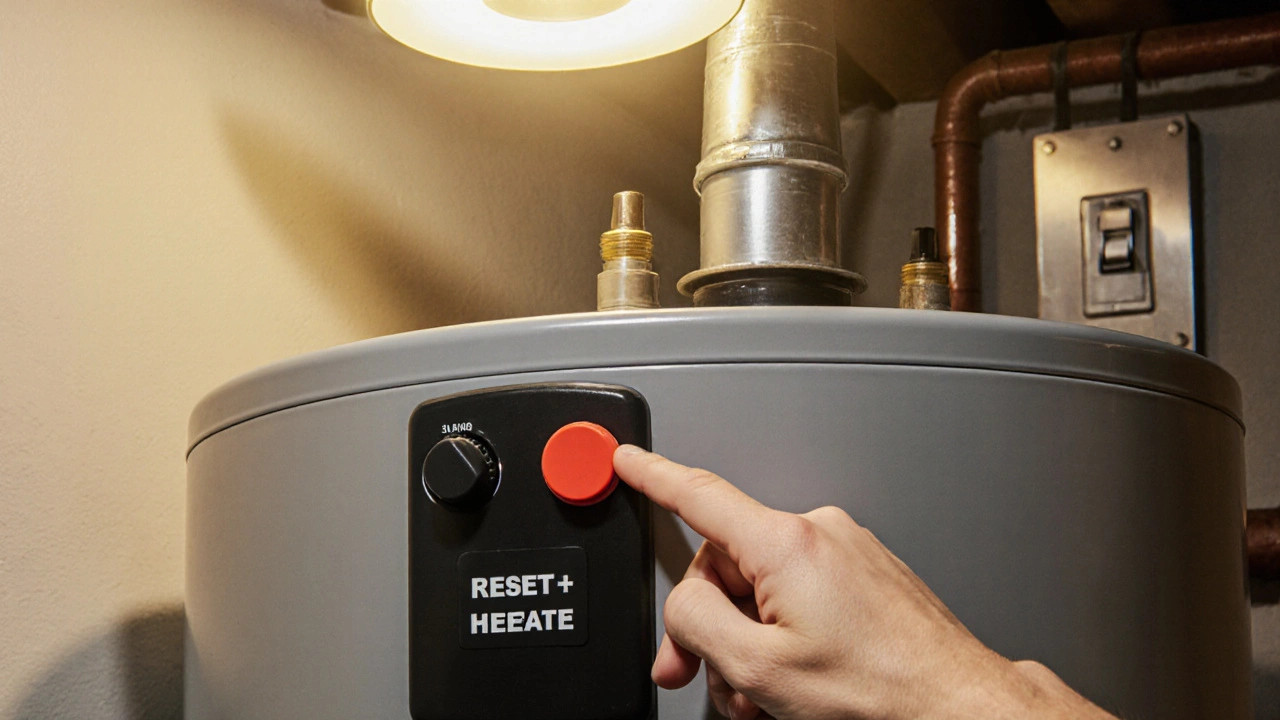
Learn how to safely reset both electric and gas hot water heaters, troubleshoot common issues, and know when to call a professional.
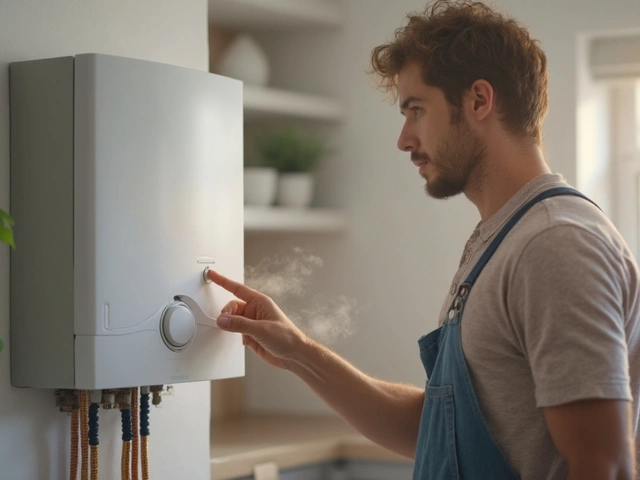
Dealing with a water heater that keeps tripping can be a headache—hot water one minute and a cold shower the next. This article breaks down the most common reasons for this irritating problem, giving you clear steps for figuring out if it’s a simple DIY fix or if you should call in a pro. You’ll get straight talk, not complicated jargon or long-winded explanations. Learn what to check, what parts usually fail, and when your water heater might just be on its last leg. Get the confidence to handle the problem and save yourself a ton of hassle.
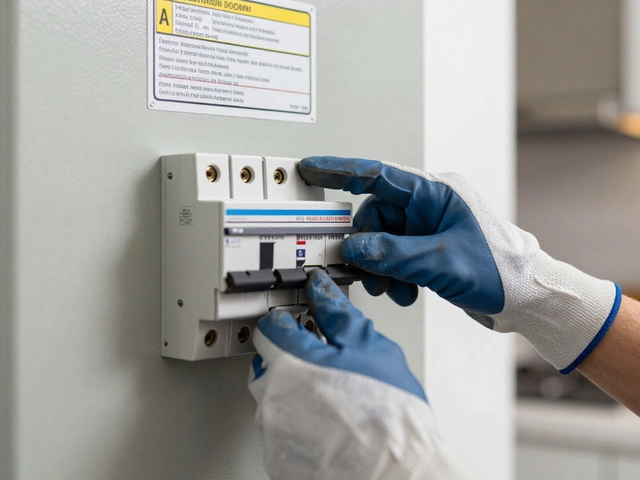
Learn how to safely fix a burnt electric hob by checking the element, testing with a multimeter, replacing parts, and preventing future damage. Avoid fire risks with these step-by-step tips.
Find out how much boiler repair costs in 2025, what factors affect the price, typical price ranges, and tips to get fair quotes and save money.
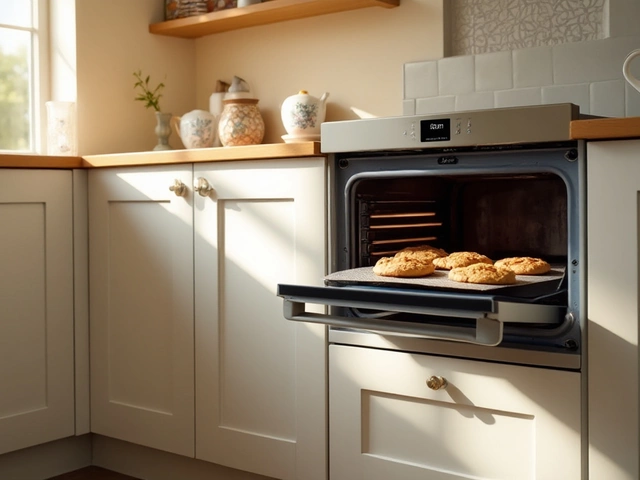
An electric oven is a staple in most kitchens, used for everything from baking cookies to roasting savory meals. Knowing how long an electric oven is expected to last can help homeowners budget and plan for replacement or repairs. This article explores the average lifespan of electric ovens, factors influencing their durability, and tips on maintenance to extend the life of the appliance. Understanding these aspects will aid in maximizing the utility and performance of your oven.
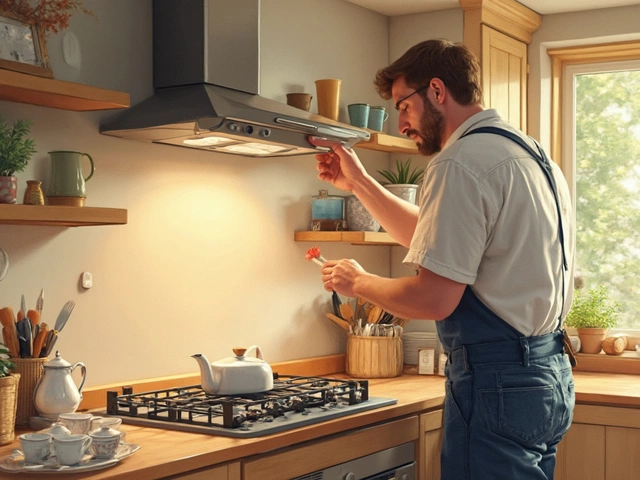
Keeping your home well-ventilated is essential, and extractor fans play a crucial role in maintaining air quality. Whether you're installing a new fan or repairing an old one, it's important to know who to call. Professional electricians and specialized ventilation technicians are the go-to experts. They ensure fans are properly installed and functioning efficiently, saving you from potential hassles down the road.