

If you’ve ever stared at a broken oven, a sputtering hob or a noisy extractor fan, you know the frustration of a dead appliance. The good news is that many of these problems are fixable with a simple replacement, and you don’t always need a pro. Below you’ll get straight‑forward advice on the most common replacements, the tools you’ll need and the steps to finish the job safely.
First, ask yourself if the part is worth swapping. If the appliance is old, the cost of a new unit may be lower than the sum of parts and labour over time. For example, a washing machine older than ten years usually costs more in parts than a brand‑new model. On the other hand, a single oven element or a kitchen extractor fan often costs less than £50, making a DIY swap the smarter choice.
Look for these signs that a replacement makes sense:
If any of these apply, grab the right part and move on to the next section.
1. Gather tools. Most appliance replacements need a screwdriver set (usually Phillips and flat‑head), pliers, a multimeter for electrical checks, and sometimes a wrench. Keep a flashlight handy for dark compartments.
2. Shut off power. Unplug the appliance or switch off the circuit breaker. Safety is non‑negotiable, especially when you’re dealing with electric ovens or water heaters.
3. Remove the old part. Take off any panels or screws that cover the faulty component. Snap‑in parts can often be pulled out with gentle wiggling; threaded parts usually need a wrench.
4. Compare the new part. Before installing, double‑check the model number, size and connector type. A mismatched part can cause more trouble than the original issue.
5. Install the replacement. Follow the reverse order of removal. Make sure any wiring connections are tight and that seals are snug to prevent leaks in water‑related parts.
6. Test before reassembling. Turn the power back on and run the appliance for a few minutes. If it works as expected, replace the panels and secure all screws.
Here are a few quick examples:
These steps apply to most appliance parts, so you can adapt them as needed.
Remember, if at any point you feel unsure—especially with gas‑related appliances—call a qualified technician. A correct replacement not only restores function but also keeps your home safe.
With the right tools, a clear guide and a bit of patience, you can replace many common parts yourself and save both time and money. Keep this page handy whenever a replacement pops up; the next broken appliance will feel less like a nightmare and more like a simple DIY win.
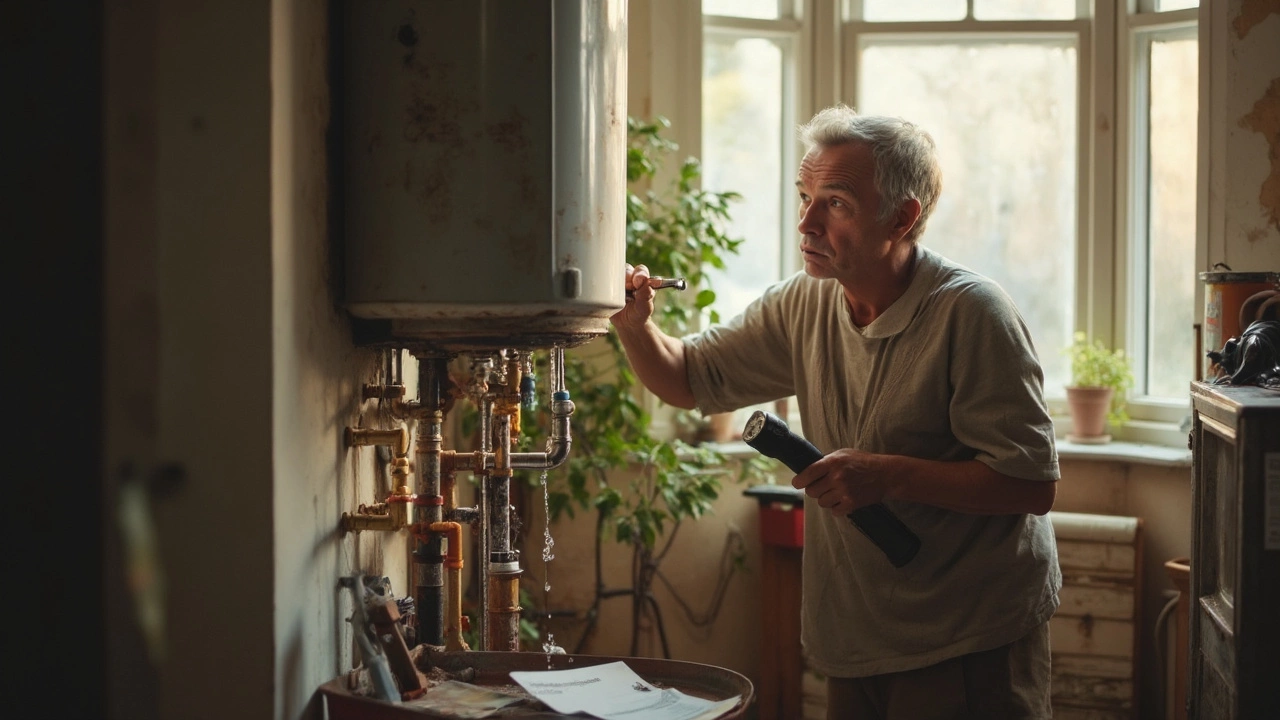
Wondering if your hot water heater is about to quit? This article breaks down the most common signs that your water heater needs to be replaced, from strange noises to rusty water. Find out how long these tanks usually last, what to look for during regular maintenance, and how to handle sudden issues. You'll get practical tips to keep your heater running smoothly and avoid a cold shower surprise. If you've ever worried about flooding, energy bills, or weird knocking, this is for you.

Extractor fan acting up? If you’re wondering who handles extractor fan replacement, this article breaks it down. Learn the difference between calling a pro and tackling it yourself, get tips on when to fix or swap out a fan, and find out what skills and tools make the job smooth. Real, practical advice from someone who's been around finicky fans and quick fixes. Don’t let poor ventilation keep bothering you—get the facts and decide what works best.

A reliable heat pump is essential for maintaining comfort in your home. Some signs indicate that your heat pump might need replacing, such as increased energy bills, inconsistent temperatures, strange noises, old age, and frequent repairs. Understanding these warning signs can help you decide if it's time to invest in a new system.
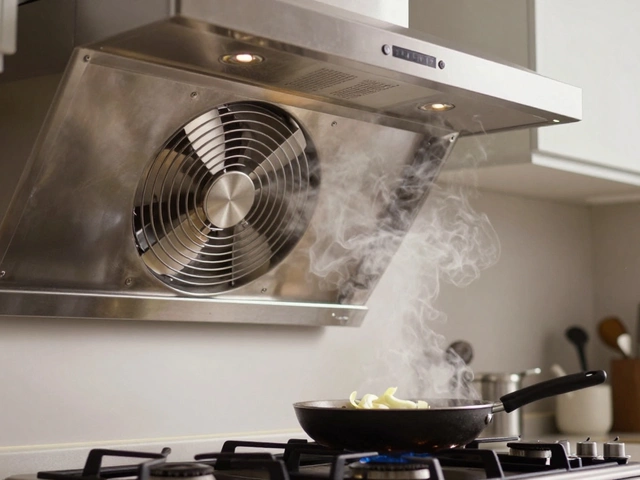
Discover why kitchen extractor fans stop working and how to fix them. From clogged filters to motor failures, learn practical troubleshooting steps to restore airflow and avoid costly repairs.
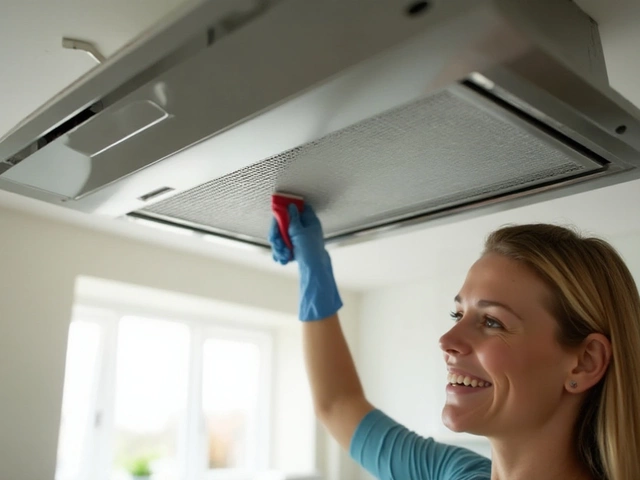
Routine maintenance of extractor fans is crucial to maintaining indoor air quality and ensuring the efficient operation of these ventilation systems. This article explores why servicing extractor fans is important, providing insight into potential problems that may arise if overlooked. Learn how regular upkeep can prevent costly repairs and improve the lifespan of your equipment. Discover practical tips and a step-by-step guide on how to ensure your extractor fan is operating at its best. Keep your home fresh and healthy by understanding the significance of extractor fan servicing.

Ready to buy a new dishwasher? Check this guide for 2025's most unreliable dishwasher brands, stories you won't believe, and tested buying tips no one else will give you.

Frustrated by cold water instead of a hot shower? This guide breaks down the most common reasons your hot water is running cold, with simple fixes anyone can try at home.
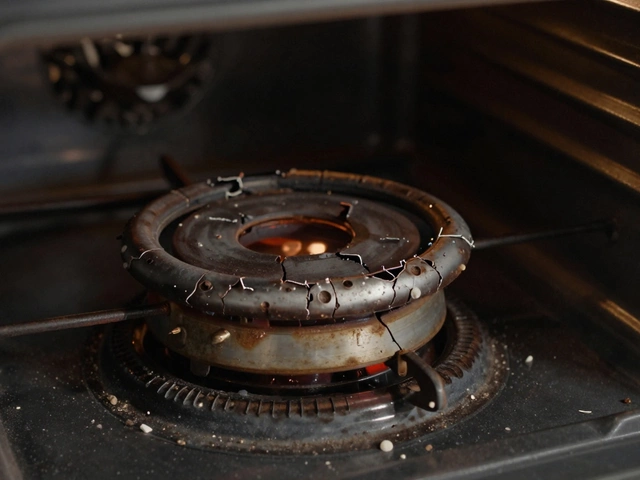
If your oven won't heat up, it's usually a simple fix-like a broken element, faulty thermostat, or blown fuse. Learn the most common causes and how to diagnose them yourself before calling a repair technician.