

If you’re standing under a cold shower and wondering why your water heater isn’t delivering heat, it might be time for a replacement. Most homeowners face this dilemma every few years, and the decision isn’t just about cost – it’s about safety, efficiency, and comfort.
Not every leak or strange noise means a full swap, but keep an eye out for these red flags:
When you spot two or more of these, start planning a replacement.
Replacing a water heater isn’t a one‑size‑fits‑all price. Here’s a quick rundown:
Labor usually makes up 30‑40% of the total, so a straightforward swap can be cheaper than a full system overhaul. Look for local promotions or bulk‑service discounts if you have multiple appliances needing attention.
DIY or Call a Pro? If you’re comfortable handling basic plumbing and electrical work, you can save $150‑$300 on labor. However, there are three non‑negotiables:
If any of these give you pause, call a qualified technician. It’s often cheaper in the long run than dealing with a botched install.
DIY Step‑by‑Step Overview
For those ready to roll up their sleeves, follow these core steps:
Even with this guide, keep the installer’s manual handy. A quick photo of the old connections can help you match them correctly.
After installation, a simple annual flush can double the life of your new heater. Run fresh water through the system for 30 minutes, then let it sit for an hour before refilling. It clears sediment and avoids those noisy rattles we mentioned earlier.
Replacing a water heater doesn’t have to be a nightmare. Spot the warning signs, weigh the costs, and decide if DIY fits your skill set. When in doubt, a licensed professional will ensure the job’s done safely and up to code. Either way, you’ll be back to hot showers and warm dishes in no time.
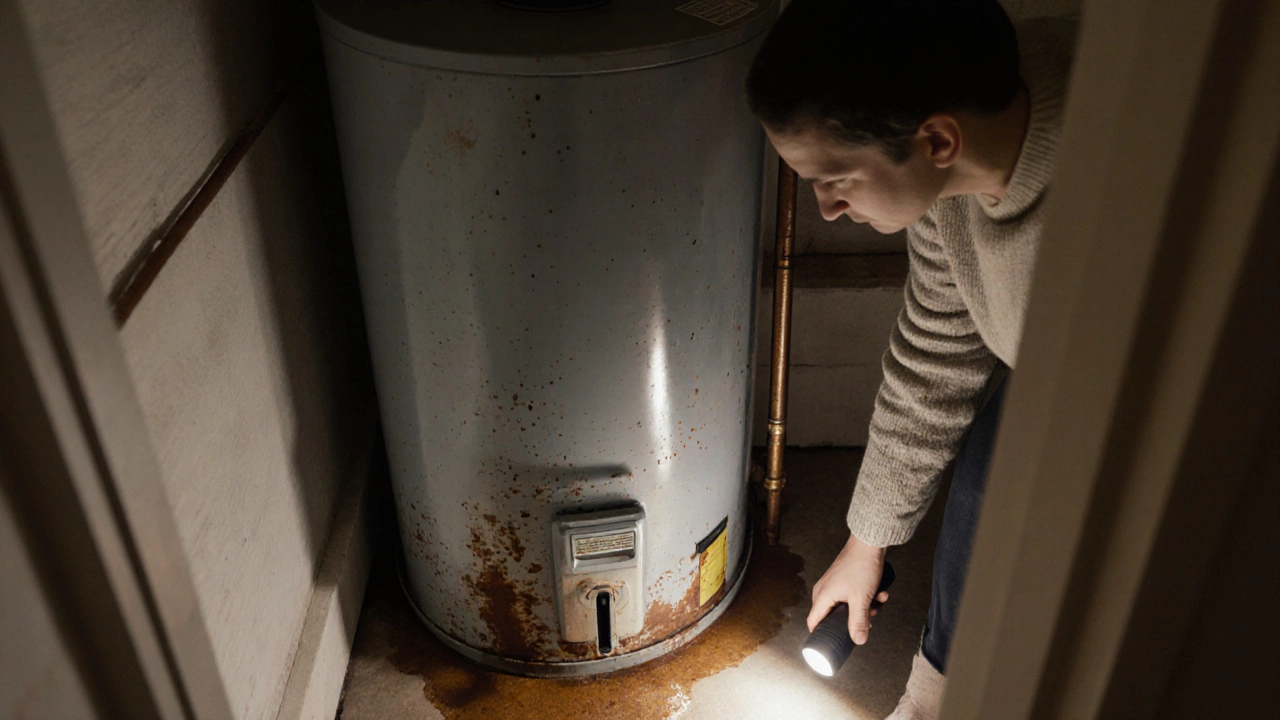
Find out if fixing a 20‑year‑old water heater makes sense. Compare repair costs, energy loss, and replacement price to decide the best move for your home.
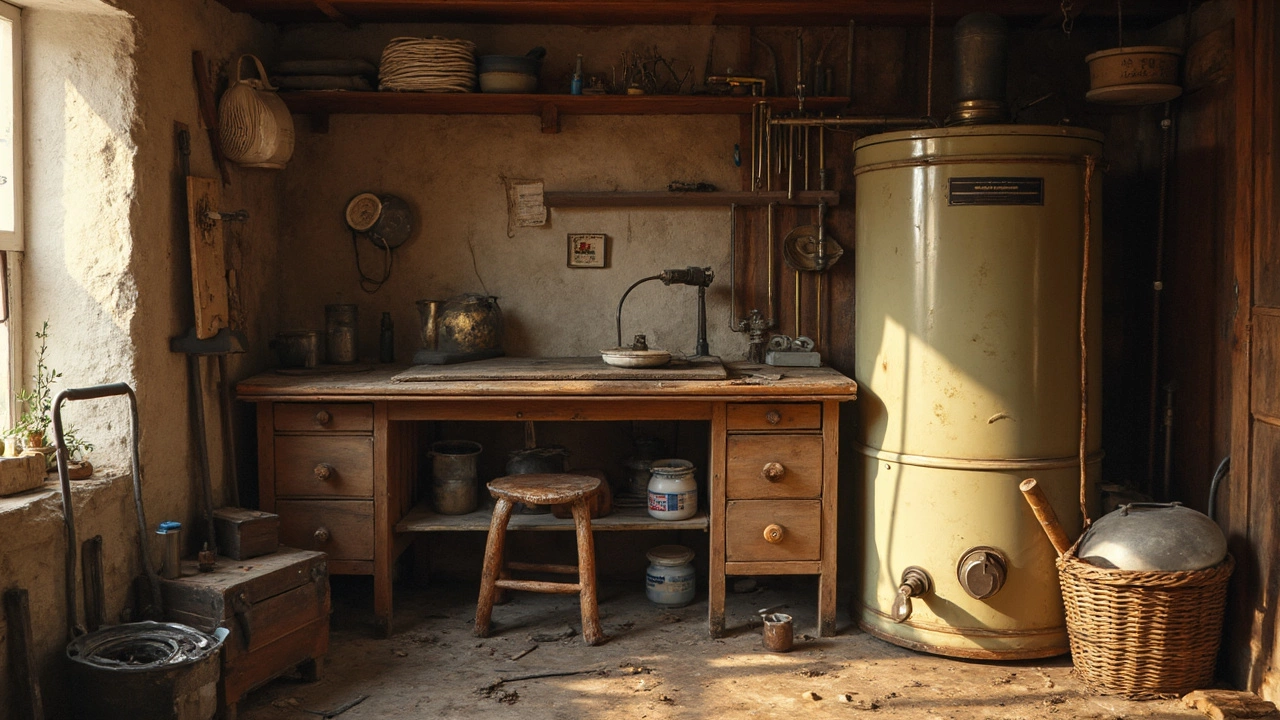
Wondering how long your water heater should last? This article dives into the expected lifespan of various types of water heaters, factors impacting their longevity, and signs it might be time for a replacement. With practical tips on maintenance, you can extend the life of your heater and avoid breakdowns. Learn what to watch out for to ensure you have hot water when you need it, without unexpected surprises.
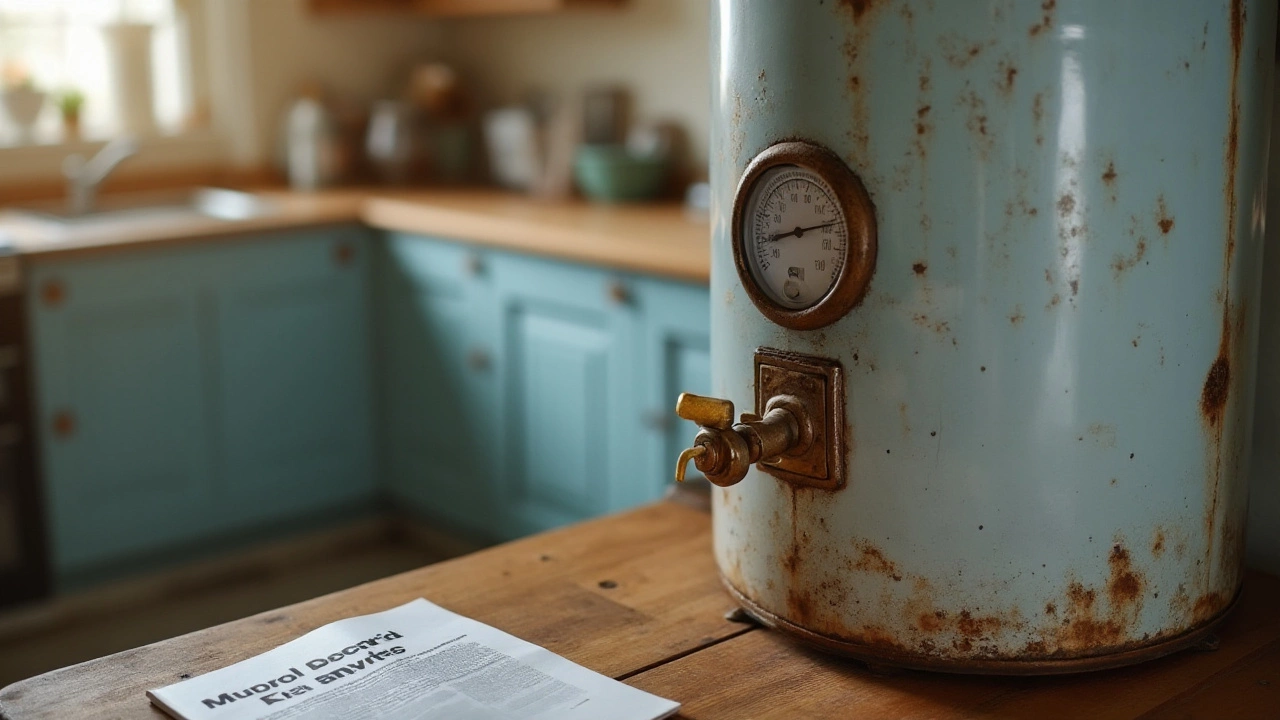
Determining when your hot water heater needs replacement isn't always straightforward. This guide explores key signs such as irregular water temperatures, strange noises, and age that might indicate it's time to get a new unit. Understanding these signs not only ensures a reliable hot water supply but also prevents potential damage and higher energy bills. Additionally, we discuss some tips for maintenance to prolong the life of your current system.

Water heaters are essential fixtures in homes, providing warm water for daily needs. Understanding their lifespan can help homeowners plan for replacements and avoid unexpected cold showers. Depending on the type and maintenance, a water heater can typically last between 8 to 12 years. Regular inspections and upkeep can potentially add years to a water heater's lifespan.
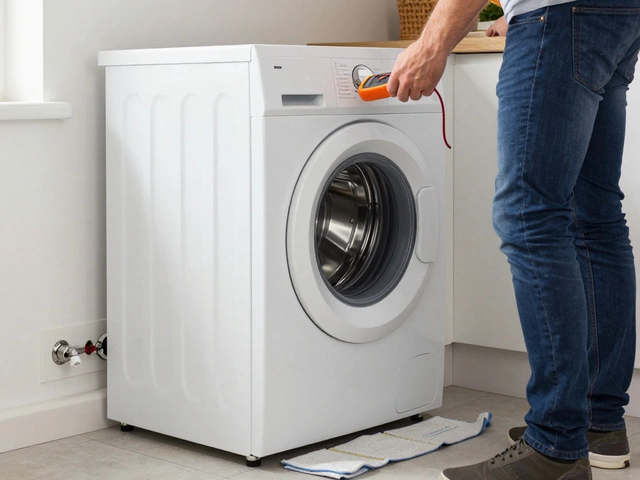
Learn how to diagnose common washing machine problems like leaks, noise, and spin failures. This step-by-step guide helps UK homeowners troubleshoot issues safely before calling a repair engineer.
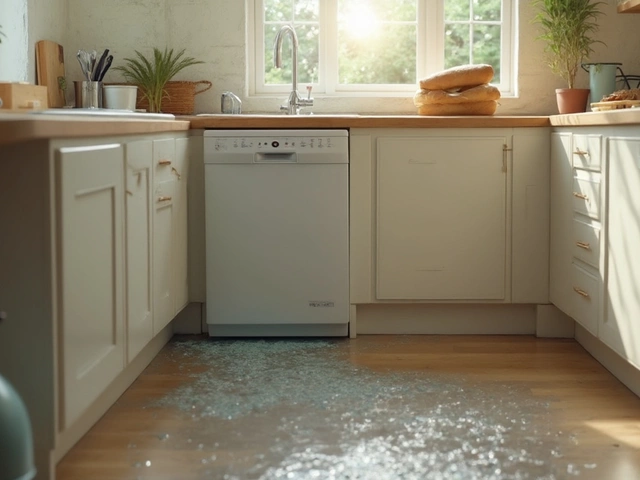
Dishwashers are a staple in modern kitchens, but they often face common issues. So, what's the most frequent problem users encounter? This article dives into typical faults like drainage issues and proposes practical solutions. Understand why your dishwasher might not clean effectively and learn simple DIY fixes to keep it in top shape. By addressing these issues, you'll ensure your dishwasher runs smoothly for years to come.
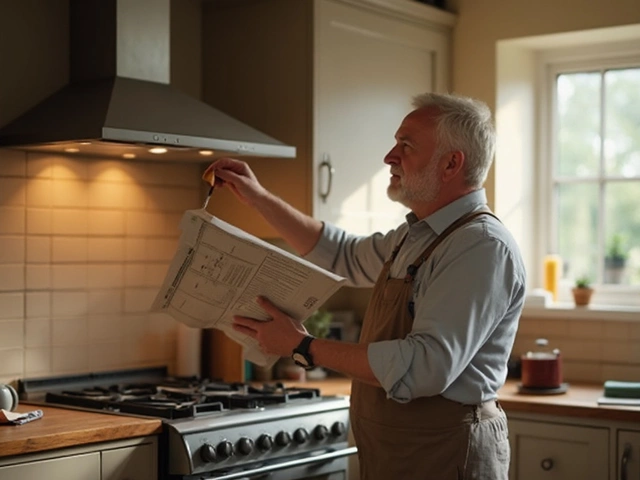
Extractor fan acting up? If you’re wondering who handles extractor fan replacement, this article breaks it down. Learn the difference between calling a pro and tackling it yourself, get tips on when to fix or swap out a fan, and find out what skills and tools make the job smooth. Real, practical advice from someone who's been around finicky fans and quick fixes. Don’t let poor ventilation keep bothering you—get the facts and decide what works best.
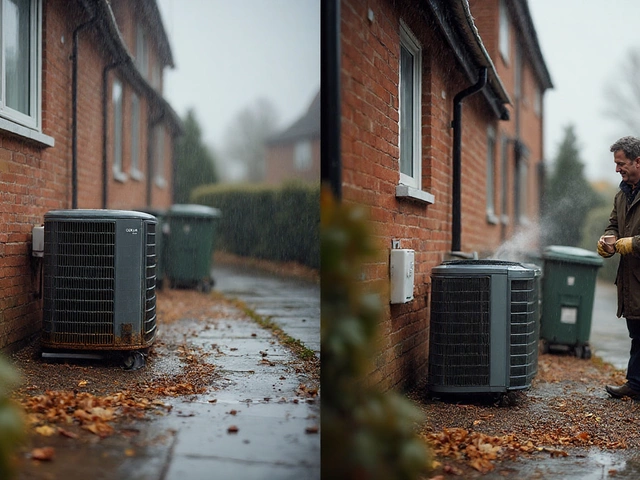
Real UK lifespan for air vs ground source heat pumps, what shortens or extends life, maintenance steps, and a simple repair-or-replace guide you can actually use.

Repairing a gas oven might seem daunting, but it's often worth the effort. This article explores when it's practical to repair versus replace, common issues, and cost-effective solutions. Learn helpful tips, find out if it’s a DIY fix, and consider important safety aspects. Discover how to make an informed decision that saves money and hassle.