

Feeling frustrated because your cooker keeps acting up? Before you throw money at a brand‑new unit, see if a repair can save you cash. In many cases a faulty part is the culprit, and swapping it out costs a fraction of a full replacement. But if the cooker is old, inefficient, or needs repeated fixes, a new model might be the smarter choice.
Typical repairs range from £70 for a simple thermostat swap to £200‑£300 for a major heating element fix. Prices climb if you need a qualified engineer to visit after hours or if hard‑to‑reach parts must be ordered. Compare the quote with the price of a new cooker (often £500‑£1,200). If the repair is more than half the cost of a new unit, it’s worth thinking about replacement.
If you have basic electrical knowledge and the right tools, you can replace common parts yourself. First, turn off the power at the fuse box and unplug the cooker. Remove the back panel, locate the faulty component (burner, oven element, thermostat), and swap it with a brand‑new part that matches the model number. Re‑assemble, restore power, and test the cooker.
When you’re not comfortable with electricity, call a certified appliance technician. They’ll handle the wiring safely and ensure the new part works with your cooker’s existing systems. Professional service also protects any warranty you might have.
Choosing a new cooker? Look for energy‑efficient models – they use less gas or electricity and can lower your bills. Measure the space in your kitchen, count the burners you need, and think about extra features like self‑cleaning or convection ovens. Modern cookers often come with built‑in safety switches, which can prevent future breakdowns.
Before you buy, read a few reviews on reliability and after‑sales support. Some brands have better parts availability, which makes future repairs easier if you ever need them. Also, ask the retailer about delivery and installation fees – these can add £50‑£100 to the total price.
If you decide to replace, the installation is usually quick. A professional will disconnect the old unit, hook up the new cooker, and test all functions. Make sure the installer checks that the gas line or electrical socket matches the cooker’s specifications – mismatched connections are a safety hazard.
Finally, keep the old cooker’s manual and any warranty paperwork. Even if you throw it away, the paperwork can be handy for recycling programs or for proof of purchase if you need a refund. And don’t forget to properly dispose of the old appliance; many local councils offer free bulk‑skip services.
Whether you repair or replace, the goal is a reliable cooker that lets you whip up meals without hassle. We hope this guide helps you weigh the costs, understand the steps, and make a confident decision for your kitchen.

Wondering when to replace your cooker? This article breaks down the real signs that your cooker is on its last legs, what affects its lifespan, and how to keep it running safely for longer. Get practical tips straight from real-life experience and find out how to spot issues before they turn expensive. Whether you use gas or electric, knowing when to repair or replace makes all the difference in your kitchen.
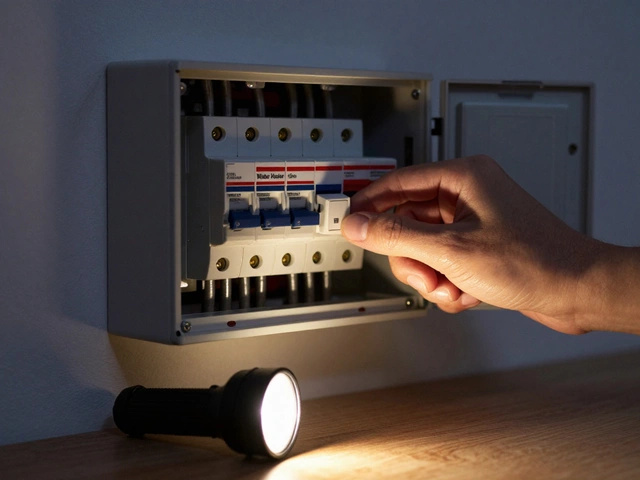
When there's no hot water, the first thing to check isn't the heater-it's the circuit breaker or pilot light. Most issues are simple fixes that save time and money. Learn what to look for and how to fix it yourself.
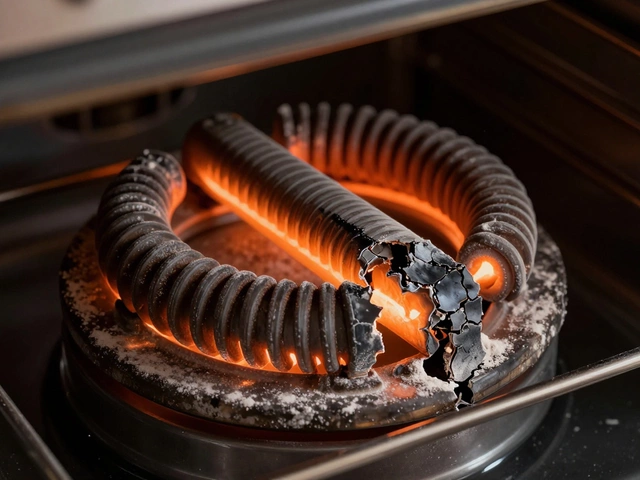
Learn how to tell if your oven element is blown by checking for visible damage, testing with a multimeter, and observing oven behavior. Most oven heating issues are simple fixes.

Is your 10 year old dryer gasping for air, and you’re wondering if it’s time to fix or toss it? This article breaks down how long dryers usually last, what typical repair costs look like, and when it just makes more sense to get a new one. You’ll find smart tips to figure out if fixing an older dryer is throwing good money after bad or saving yourself from an expensive upgrade. Get real-life advice that skips the fluff and gets to the point.

If your boiler stops working, know who to call and what to do immediately. This guide covers emergency steps, how to find a Gas Safe engineer, repair costs, and how to prevent future breakdowns in the UK.
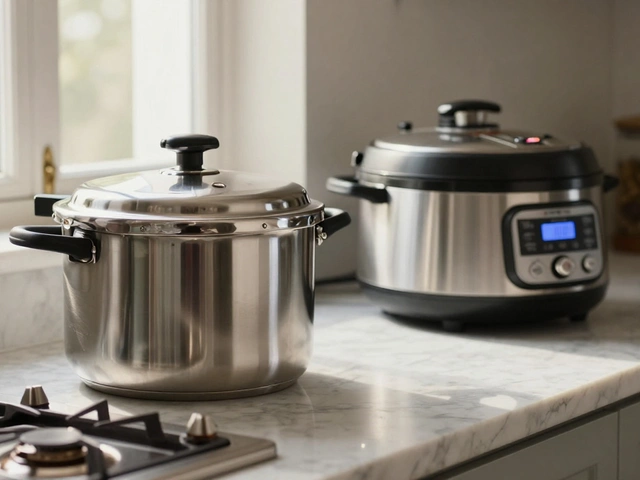
Discover how long pressure cookers last, comparing stovetop vs electric models. Learn signs of wear, repair options, and maintenance tips to extend lifespan safely.